
Why let your child try first before you intervene?
Letting your child tackle challenges solo builds the grit, patience, and problem-solving skills they need to thrive in the classroom and beyond. From boosting self-belief to sparking creative thinking, the benefits of "having a go" go far deeper than just finishing a task. Discover why resisting the urge to intervene actually helps your child grow into a more confident, independent learner.
Some mindfulness techniques to help an anxious child
Helping an anxious child navigate big feelings doesn't have to be complicated or time-consuming. Our latest guide breaks down age-appropriate practices that fit right into your existing routine, whether it's during a morning reset or a bedtime wind-down. Discover how just two minutes of consistency can help your child build emotional resilience and focus.
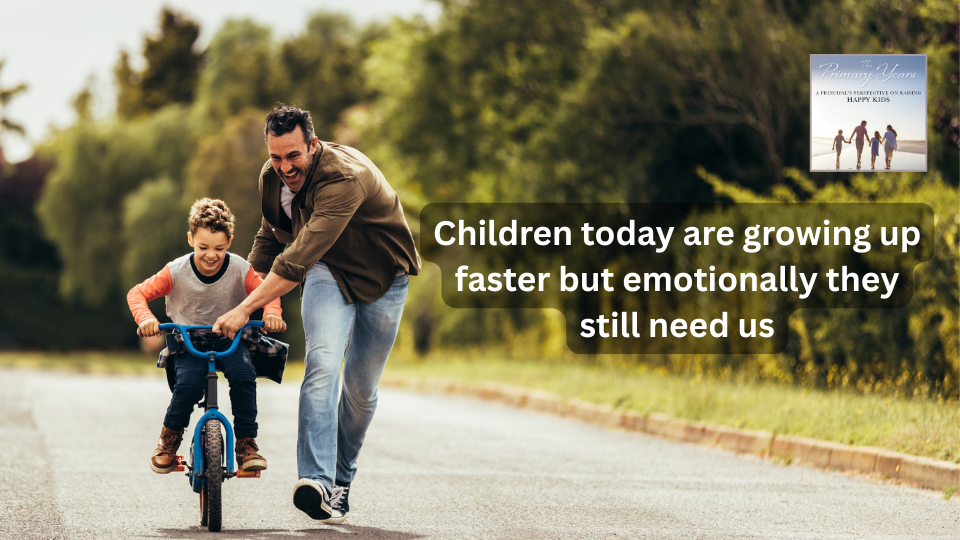
Children Today Are Growing Up Faster But Emotionally They Still Need Us
Does your child seem older than their years, navigating the digital world with ease? They may look grown on the outside, but emotionally, their heart is still young and needs you just as much. A child who understands complex news can still be crushed by a playground argument, feeling uncertain beneath their confident exterior. In a world that moves too fast, our children need us to be their calm, steady anchor.

Five Small Things Parents Do That Make Children Anxious — Without Realising It
As parents, we never intend to create anxiety in our children but some of our smallest everyday habits might be doing exactly that. We unpack five common parenting habits that may quietly increase your child's worry — and what to do instead. Because children don't need perfect parents. They need steady ones.

Resilience Is Not Built Through Pressure
We certainly want our children to learn resilience. But here's the truth many parents are slowly discovering: resilience isn't forged by piling on pressure, instead, it's nurtured through connection, experience, and the quiet confidence that comes from being supported through hard times. Gail Smith shows you how to help our children build that inner strength.

Before You Correct, Connect
Sometimes what looks like defiance, meltdowns, or acting out is actually a message, and when we learn to hear it, everything shifts. A small change in approach today can build something much bigger tomorrow.

How children can be helped with screen time
Is your child glued to their screen after school? Read this before you take it away.
What looks like obsession might actually be something else entirely, and understanding it could change the way you respond.

Helping Your Child Learn to Love Reading
As the new school year begins, reading will play a big part in your child's day. The good news is, you don't need to make reading a chore, you just need to make it enjoyable. Sit close, share a book, and let your child pick the story. Stay calm if they stumble on words, and don't rush. A child who feels safe and supported while reading will grow into a child who truly loves it.

Let's help our children learn and grow in their own way
Every parent knows the urge to step in the moment things get hard. But children don't grow because we made it easier, instead, they grow because we stayed close enough to matter, and trusted them enough to let them try.
It's not about being perfect, rather being independent
We tie their shoes so they're not late. We pack their bag so nothing's forgotten. We jump in before they can fail.
We think we're helping — but what if we're actually getting in the way?
As the school year unfolds, the greatest gift we can give our children isn't a perfectly smooth day. It's the chance to figure things out on their own.
The Quiet Child Is Not the Easy Child
Quiet children are often praised for being "no trouble." But quiet doesn't mean unaffected. It doesn't mean they're not struggling. And it definitely doesn't mean they don't need us.
If you have a child who keeps it all inside during the day and falls apart the moment they walk through the door, this one's for you.
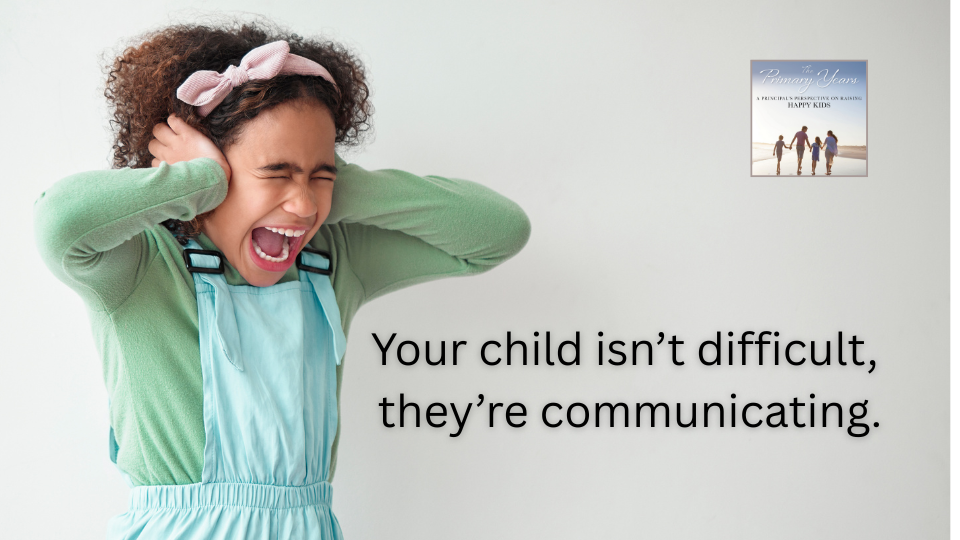
Your Child Isn’t Difficult — They’re Communicating
Before you label it defiance, ask yourself: what are they trying to tell me? That tantrum in the grocery store. The refusal to get dressed. The sudden shutdown at bedtime. We've been taught to see these as problems to fix, but what if they're messages we haven't learned to read? Gail Smith explains why "difficult" behaviour often comes from children who don't have the words yet. And how shifting from managing to understanding changes everything.
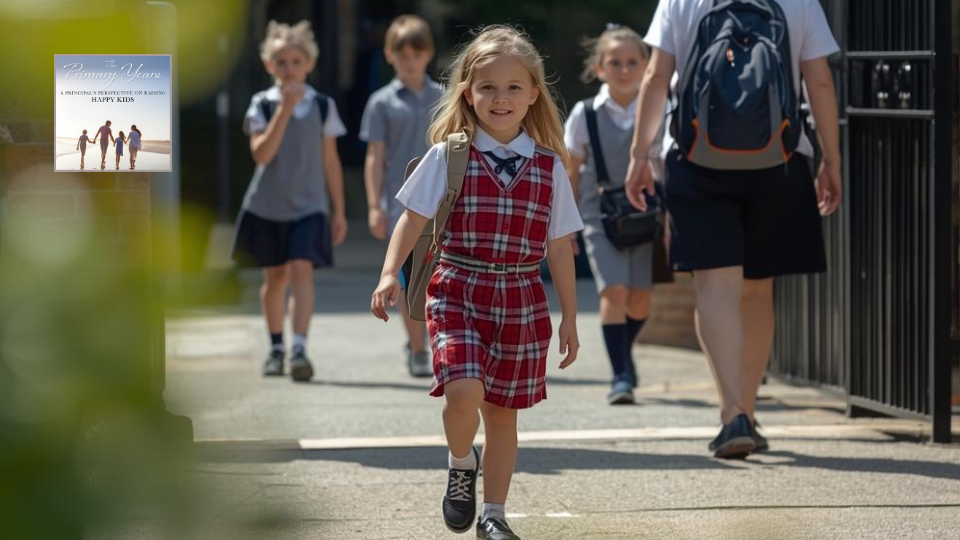
How to be present straight after school each day?
That immediate after-school window is one of the most important and trickiest times to connect with your child. Here are gentle, practical ways to transform the after-school rush into a space of safety and reconnection.

Six gentle ideas that really help an anxious child begin school
Facing school anxiety is about gentle steps, not hard pushes. For every worried child (and parent), here are six peaceful, practical strategies to build real confidence and find their brave for the first day.

A few thoughts to keep in mind late January
The new school term is here. Are you and your child ready to embrace the change? Moving from holiday mode to school routines is more than just packing bags, it's about nurturing growth in every way: social, emotional, intellectual, and physical.

Lets help our children start well
The age-old adage, “Well begun is half done,” holds a special wisdom as the school holidays draw to a close. How a child starts this new chapter can set the tone for the weeks and months ahead, turning apprehension into anticipation and uncertainty into confidence. Gail Smith shares thoughtful strategies to help your family cultivate the art of a good beginning, ensuring a smoother, happier transition into the new school year.

As holidays end what to think about
As the school holidays begin to wind down, a familiar mix of emotions emerges with lingering freedom alongside the gentle pull of the new school year. In this blog, Gail Smith offers gentle, actionable tips to help your child (and you!) warm up to the coming term, focusing on connection, comfort, and taking it one small step at a time.
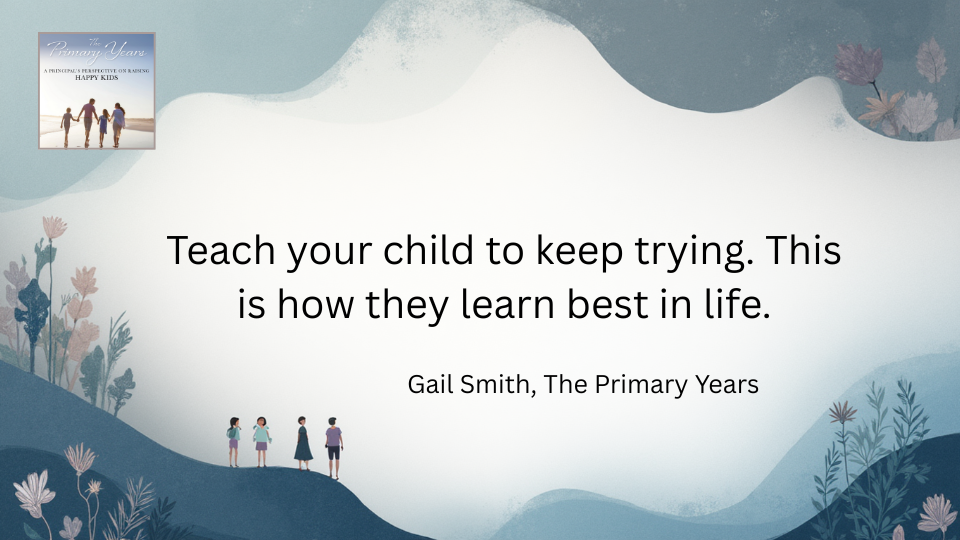
It’s All In The Effort We Make
Teach your child to keep trying. This is how they learn best in life.

Something to think about as Christmas approaches
Something to Think About as Christmas Approaches
Christmas is for you as well as your child. When you allow yourself to enjoy the season, your child feels it too - their happiness is closely linked to yours.
Involve your child in simple Christmas rituals like decorating, wrapping presents, making cards, or cooking together. These shared moments build meaningful traditions.
Use this time to gently reflect on others — family or friends who aren’t with you — and talk about connection and community.
Let Christmas music fill your home. Carols link your child to traditions that have existed for generations.
Allow space for unstructured time and take a break from school talk. The holidays are a chance to relax routines, free your minds, and enjoy being together.
Most of all, let your child see your relaxed, playful side. Christmas is a time to be present, content, and simply enjoy each other.

Talking to Children About the Bondi Tragedy
Parents have been asking how to talk to children about the Bondi tragedy. While many of us, as adults, are still trying to understand what happened, why it happened, and how such events can occur, children often pick up far more than we realise, through conversations, news, and changes in adult behaviour.
These conversations can be difficult, but they are important. With the right approach, parents and carers can help reduce fear, answer questions honestly and age-appropriately, and reassure children that they are safe and supported.