Some mindfulness techniques to help an anxious child
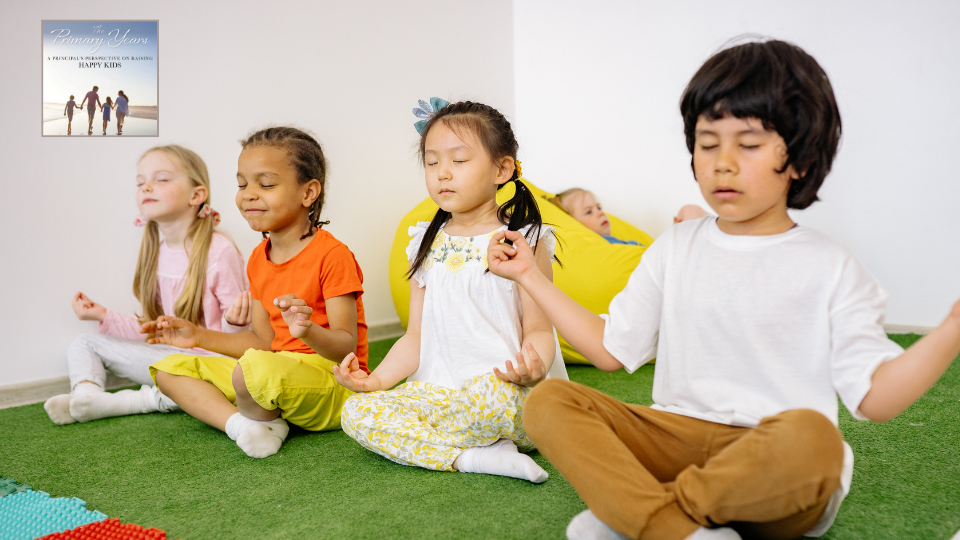
Children face school pressure, social challenges, and sensory overload. Mindfulness gives kids simple tools to calm big feelings, focus better, and build emotional awareness
Core benefits for kids
Improved attention
Better emotion regulation and reduced tantrums/anxiety
Greater awareness of body sensations and thoughts
Stronger social skills and empathy
How to introduce mindfulness (general tips)
Keep it very short at first: 1–3 minutes for preschoolers, 3–7 minutes for school-age.
Simple practices by age
Preschool (3–5 years)
Belly breathing with a stuffed animal: Child lies down, a favourite toy on their belly, watch it rise and fall for 5 slow breaths.
S.T.O.P. face check (in kid language): Stop, Take a breath, Observe how your face and body feel, Play again. Do after over stimulation.
Sound safari: Sit quietly for 30 seconds and list 3 sounds you hear (bird, car, fridge hum). Builds attention to present moment.
Early elementary (6–8 years)
5-finger grounding: Touch each finger and name a thing you can see, hear, smell, feel, taste (or a safe substitute for taste). Quick reset for big emotions.
Bubble breaths: Inhale slowly, exhale pretending to blow a big bubble — count to 4 out. Repeat 4 times.
Mindful walk: Walk slowly for 2–5 minutes, noticing how feet hit the ground, textures underfoot, and the pace of breath.
Tweens (9–12 years)
Body scan (3–5 minutes): Lie or sit; briefly notice feet, legs, belly, chest, shoulders, hands, neck, face. Say “soften” on areas with tension.
Thought observing: Name one thought as if it’s weather (“There’s a worried thought”) and then return attention to breathing for one minute. Teaches non reactivity.
Five senses journaling: After school, list one thing that stood out in each sense and how it made you feel. Strengthens reflection.
After a meltdown: “I see you’re really upset. Can we do one belly-breath together? In... two... three... and out slowly.
Bedtime wind-down: “We’ll do a quiet body-scan. Feel your toes, your legs... if you notice a busy thought, just imagine it floating away like a cloud.”
Quick mindful games and activities
Calm jar: Glitter in water, shake then watch pieces settle while sensing breath. Visualises calming down.
Sensory box: A small box with textured items; child closes eyes, reaches in, names textures and guesses items.
Mindful colouring: Use mandalas or simple patterns; focus only on colour and pencil movement for 5–10 minutes. No talking.
Taste test: Small piece of fruit; take 3 slow bites noticing texture, sweetness, aroma. Slows eating and increases awareness.
Incorporating mindfulness into daily routines
Morning: One minute of belly breaths before getting dressed.
Mealtimes: One deep breath before the first bite and a gratitude sentence.
Bedtime: 3–5 minute body scan or gratitude list (3 things that went well today).
Handling resistance
Don’t force it; offer choices (“Do you want to try a calm jar or bubble breaths?”).
Make it brief and playful; avoid lecturing.
Normalise imperfect practice: praise effort (“You tried breathing — that’s the important part.”)
Closing Thought (how to start tomorrow)
Pick one 2-minute practice from above, try it for a week at the same time each day, and notice one small change. Consistency beats intensity.