
Dealing with a child’s fears
Here are some parenting suggestions to help children work through and potentially overcome their fears.
Fears can come at any time. They can be mild-mannered or driven by some former experience that left them fearful. Fears can also be linked to low self-esteem, where a child feels more prone to be vulnerable. Sometimes a child can outgrow them. Sometimes fears can linger longer if not effectively dealt with at the time.
It is natural for a child to have some fears. As a human race, fears were part of prehistoric man to help us work out survival tactics. With a child, we need early identification and working with the child in understanding its source and finding strategies to deal with it.
We understand that fears can come at any surprising and unexpected time and be triggered in different ways. The following thoughts are to help our child understand and deal with fear:

When you see your child upset and showing signs of being frightened, respect that it is real for your child. Never underestimate the fear and underplay its importance. They need to feel sure that you believe them.
Ask them to describe their fear, if possible in detail, hopefully they can tell you how they feel and when and how it manifests itself. Talk about a strategy to try to reduce the fear. Brainstorm some ideas together. For example, if it’s fear of the dark, talk together about options such as using a soft bedroom light etc. Working it through together is important and reassuring for the child. Here you show them they are not alone with their fear.
After deciding together on a strategy, trial it and later come back to the child to see how it went. Be prepared to keep visiting the fear if still not under control. Every attempt is trial and error.
Let them express all their feelings when talking about their fear. The more they are heard and the more they talk about it, some reduction of the fear can occur.
Children feel safe with routine and familiar settings. Try to bring them into the solution when finding ways forward. Working through the fear is not a time to introduce new stimuli.
Talk about some strategies you use to help with fear. Discuss taking deep breaths, talking to friends, listening to music etc. Can they suggest some strategies that will make them feel more secure?
Applaud their own efforts in getting on top of the fear. The more they learn to develop their own techniques, the better and often quicker, a satisfactory outcome. There is nothing more healing than doing it yourself!
There are some wonderful books on dealing with fears. Check with your library or school.
The more you talk openly about how natural it is to sometimes have fears, the more it seems as part of life and less mystifying and isolating.
Never forget the value of your teacher. They may have some suggestions and even follow-through activities to do at school to support the concern.
Finally, as your child grows, their emotional growth becomes stronger. They begin to reason and rationalise in ways that can help them work through fears or at least understand them better. Your support over the years in listening, being empathetic and respecting their fears will give them the courage and fortitude to be in control when fearful obstacles potentially come their way.
‘Thinking will not overcome fear but action will.’
W. Clement Stone

Learn to have some fun
Laughter and fun are the key ingredients for a happy, healthy life. Read more for some ways you and your child can have fun!
There is not a lot written about the value of being happy but we know that there are some wonderful psychological advantages to just having fun. Here I make the distinction to humour. Within fun we can have a lot of humour. It is present when we become excited or find something that makes us feel good.
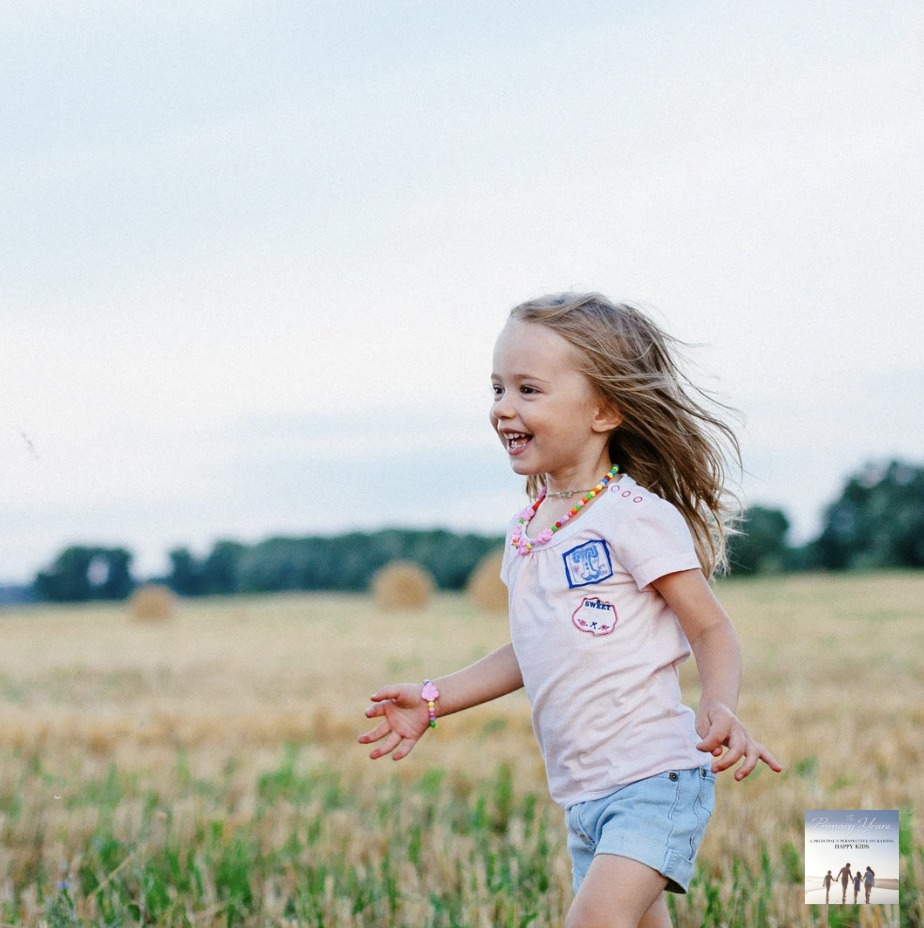
Teachers know that when an element of spontaneous fun is included in their day or week, the mood and temper of the children increases tenfold. Many teachers would also say that the presence of fun builds trust with children. A child feels secure when they see their teacher relax and display a happy spontaneous style in the classroom. There is something honest and healthy about simply having some fun.
Let’s think about the value of having fun with your child:
When you have fun together, you show your child that there is a child in you, the adult. Bringing back the child in you is a positive life-giving thing.
We are always trying to be in control. It is a massive driver for us as responsible parents. How about letting go sometimes and simply have some spontaneous unplanned fun with your child. It could last five minutes or much longer. It does not make you a less reliable, organised person, but it shows your child that having fun is alive in you.
By having fun together you are bringing yourself to the same level as your child. This is quite a moment for both of you to share.
Children will remember the fun times. Nobody wants to remember the serious times. They simply bring you down. However, being a fun-loving parent is memorable.
To be an effective adult, one must also understand the lighter side of being human. We need to have fun as well and we need to show our children how we enjoy it. It is a well-being component built into our DNA.
Fun can be any form of having a wonderful time together. Let it be spontaneous, which may take you away from routine and schedules sometimes. It can be a short sharp moment of fun. If you look around it is not hard to see the fun side of so much of life. Point it out to your child.
We often talk about how important it is to play with your child. Similarly, it is important for developing good mental health that you simply have fun. It can only bring out the best in you and there are no boundaries there with your child. It can serve as a quick pick me up when moodiness is around and it can lighten the spirit when feelings of sadness are prevailing around our children.
Try to build in a bit of fun over the week. It could be as simple as tickling on the couch, throwing pillars around the room or blowing bubbles through your drink. No one said it has to be sensible.
‘Let go of preconceived notions and prejudices. Expect surprises. Expect miracles’
-Michael Joseph

Are you prepared to change your opinions?
An open-minded parent is so liberating for a child, especially when the world is always changing. This article explains the importance of opinions and how changing them can be for good reason.
Are you prepared to change your opinions? We all have our way of doing and thinking. We all develop opinions and have preferences and dare I say it, biases. It’s natural. It's all part of building your own way of being. How often do we meet people and have an instant belief of who and what they are? Do we along the track learn that we are always right?
Are we sometimes challenged about our opinions and when do we demonstrate an open approach to learning and changing perspectives?

These thoughts are inviting us to reflect on how opinionated we are around our children. No mistaking it, they know what we feel and what we think is acceptable etc. They know our biases and recognise our preconceptions. So what, I hear you say, isn’t that about giving them our values and what is good and wholesome about us?
Take care because we can be incidentally teaching them about certainty, mistrust and a sense of arrogance in being right.
The following thoughts help us to be a little more open in our ideas, where we can see the value of questioning and humility at learning something new. It teaches we are open to rethinking and reevaluating our much loved beliefs.
Try to develop an inquiring attitude to life. Rather than making bold statements about what you believe to be right, introduce questioning. ‘I wonder what is making people angry to be in that protest. Let’s look at the concern they have.” Here you have room to discuss and also put your opinions in a safe place.
Listen to the strange and wonderful things that your child comes home with from school. Don’t be shocked, but rather invite conversation about what is on their mind. You can learn much from what is said and what is not said!
When you see something controversial on the media, feel free to talk about it and show interest in the various positions held by different people. Here you show your child that you are not a closed book when it comes to holding a position. You welcome conversation, you hold a position but you are prepared to listen to others.
We all think we are wise about matters. After all, we have age and experience behind us. However, we are often not as wise as we think we are, but we can be very wise if we are prepared to occasionally reflect on new thoughts and change your understandings. This is a powerful lesson to children. If we are prepared to reflect and occasionally change our opinions, we teach them about open mindedness and flexibility. It shows compassion and lack of arrogance.
Talk about people that you admire who have learnt and changed opinions. Talk about the courage it took to make such a fundamental change to their thinking and perhaps living experience.
By all means tell your child that for a range of reasons you have certain opinions that you believe are true and that you hold dearly. A child will know what those are generally. However, show them that you a listener and always open to hear the other point of view. Nothing is permanent. Life is always on the move. Circumstances change and society shifts with laws and opinions. You want your child to see all the variants and to keep healthy questioning going.
Our prejudices are a liability. A child will soon learn that our opinions can be locked in time and may have no real place in current society. That is definitely not the case if they see how you are always questioning and that you are prepared to take on new information. They will respect your opinions if they know they come out of thought provoking questioning and probing.
‘Am I right here?’
‘Could I be wrong?’
‘What new information do I need to know?’
‘Is there more information that I have not read?’
This questioning implies that you are open to learn new information to inform your opinions. Perhaps you don’t have all the answers, but ongoing questioning can either further inform your opinions or change them.
For a child there is nothing more liberating than an open minded parent. They need such a refreshing environment when growing through so much change in their life.
‘Try being informed rather than opinionated.’
-Anonymous

The use of good language around our children
The use of great language is so important. Here are a few parenting suggestions to help expand your child’s vocabulary.
One of the greatest tools we have in working and supporting our children is our language. It is such a powerful tool that can change relationships, build stronger relationships and can strengthen personal self-esteem. As a parent, you have the opportunity to encourage good language and to teach your child that using the very best language is a very empowering part of life.

As a child grows, their language will gradually increase and with your assistance, it can reach new heights. This means that as a parent when you speak to your child, you can gradually increase vocabulary that they will learn and enjoy using. Let them experiment with new words. It’s fun!- For example, try replacing words like ‘nice’ with more descriptive adjectives. This highlights your conversation more sharply and your child learns to use better words that describe a situation better.
In some classrooms, I have seen teachers leave a column on the board where they build on vocabulary across the week. It is amazing how it catches on and children start using more interesting language and this takes them up a notch in feeling self-assured. People notice when a child demonstrates good articulation.
Another great trick teachers use is to invite children to build a vocabulary bank and use those words in their writing. All strategies help.
Teachers would sometimes introduce a new word for the day and children had to find ways of using that word in their work and conversation.
Here are some ideas that can support your work in building a child’s vocabulary:
Instead of playing ‘I spy’ in the car, try playing ‘I spy something that is……….’ and use interesting vocab to describe it.
Some families set up a vocab bank on their fridge where words are added that are interesting throughout the week.
When you are describing something to your child, think about the words you are using and occasionally throw in a new word.
‘I bought some croissants. They smell so delicious and fresh.’
When reading to your child, talk about some of the words used to describe situations, people etc. Invite them to think of other descriptive words for the characters.
When your child writes a story, challenge them to introduce one or two new words that make the story more interesting.
Playing around with google can be interesting where you can show your child the various words that can replace just one word.
A game such as scrabble can be fun as you are exposing your child to new words.
Play word games. There are many available in game stores and these can also provide hours of entertainment.
Remember that learning new creative words should be fun and spontaneous. The more the child relaxes and experiments with words the greater confidence they will gain in using them both in speech and in writing.
Reading books is a natural way of increasing one’s vocabulary. Leave plenty of books around at home for the children to pick up.
Increasing one’s ability to express themselves well will naturally present an attractive manner to others and who knows where and with whom it takes you.
‘Words are in my not so humble opinion, our most inexhaustible source of magic.’
-J K Rowling’s character, Dumbledore

Getting back on track after a damage to the relationship with your child
Here are some parenting tips for getting back on track after damage to the relationship with your child.

We all go through cycles, from being strong and happy in our relationship, to needing some damage control. Given our human frailty, we often make mistakes. We can become tired and less able-bodied in giving the right response at the right time. Our children are also human and may react in ways that we find unusual or confusing. This can be driven by fatigue, anxiety, misunderstanding etc. Our human condition reminds us that being in a perfect relationship is not the case all the time.
What we need to develop are some skills that help us recover from the damage and move on quickly. The last thing we want is prolonged silences or continued poor behaviour which can escalate quickly.
Consider:
We cannot always be prepared but keep the value of silence up your sleeve. In other words, when an incident happens and your readiness to respond is not there, try walking away, delaying the conversation. Quick unprepared responses can create more damage. Silence does not add to the problem. Of course, prolonged silences do.
If an incident has occurred have some suitable words ready.
‘I can see that you are not happy by your behaviours, we need to sit down and talk about it.’
Best to do this than to react to the poor behaviour
When in discussion about the breakdown, be in a calm space. If you are agitated the child will pick up the vibes and be more resistant.
Have the discussion at a time that suits you and in an environment without noise and interruption from other family members. It does not take much to unsettle such situations.
For a very young child, it is more about a tantrum, speak softly and approach it using words that are gentle and do not sound too intimidating.
If after the discussion there are some consequences, try to involve your child in making a decision about how those consequences should be. Make it a negotiation.
Timing is everything. Teachers are very skilled in choosing their time to talk to children when damage has occurred, sometimes the wait makes for a better result.
Remember that when a breakdown occurs, both yourself and your child feel poorly. Never underestimate that even though they appear angry, they are feeling the loss and trust of the relationship which they need.
After there is reparation, keep the mood positive and make sure that you have moved on. Carrying residual anger or disappointment can only further damage the relationship and delay healing.
Finally, keep in mind that no matter how sad or disappointed you feel about the breakdown, you are dealing with a child’s problem. Keep things into perspective so that life goes on, both you and your child are happy and peace in your relationship continues.
‘The wound is not my fault. But the healing is my responsibility.’
-Marianne Williamson

Learning about being responsible
Responsibility is a part of our makeup and challenges us throughout life. Here are some parenting tips to positively introduce responsibility to your child.
As an adult, we understand why responsibility is such an important part of our makeup. Without it, as an adult, we cannot survive. We learn also over time that different responsibilities come our way and this challenges us in new and sometimes difficult ways. I always remember bringing our first child home from the hospital and thinking, how can I look after this little individual? I don’t have the skills. Fortunately, she survived and I learnt quickly. This is how developing new and challenging responsibilities comes our way.
For a child, it is all about learning that responsibilities are actually important and that this may mean some sacrifice, compromise, etc. It is about learning that responsibilities must be understood and followed through with and there is often regularity to responsibilities. All of these learned traits take a while for children to grasp. I am sure you have had some issues with getting your child to take on and keep up with responsibilities. It just takes time and perseverance.
Teachers will automatically assign responsibilities to their class so that the classroom functions well. They can be rotating duties or they can have a responsibility for the whole year. These responsibilities work well because the child learns that they are accountable to others for their actions.
Here are some thoughts on helping your child learn responsibility.

Firstly, take care that if you give your child a job, they follow it through. Don’t finish the job for them as this teaches them that responsibilities are not genuine. Show them that it is a satisfying thing to finish a job yourself.
A child having a pet is a great responsibility and one that cannot be part-time. If you take this on, make sure your child is mature enough to take on this responsibility.
Talk about all your responsibilities and how you work through them during the week. Maybe there are some that are short term and others, long term, (like being a parent).
Before your child takes on a responsibility make sure they understand its length and breadth. Often younger children do not have a sense of time and become overwhelmed or disengage earlier. The responsibility should be age appropriate and should have the satisfaction of completion.
Take care when a child shows an interest in a sport such as tennis lessons, gymnastics etc. can they see the term through, finishing halfway is not honouring the responsibility to the program.
Always affirm your child when they complete their responsibilities. They need to know that it is a job well done and has impact on others in the family.
As a family, plan weekly chores and at the end of the week thank your child for their completion. Jobs such as setting the table, putting bins out, putting toys away etc. are all responsibilities that need attention.
Teaching your child that they own the responsibility is important. They need to know that others rely on their actions and without the job done others are affected. This is why it is important that they complete the task even if it means some inconvenience on your part.
If a child is irresponsible, try not to be simply angry and disappointed. Sit them down and listen to why they could not complete the task. Give them the opportunity to explain. Perhaps it was too much, perhaps they did not realise its importance etc.
Finally, build into your teaching about the responsibility that if they fail the child learns to blame no one else but comes to accept responsibility themselves. This is quite a mature concept but one to work towards. This is all about building strong foundations in emotional intelligence.
“It is not what you do for your children but what you have taught them to do for themselves. That will make them successful individuals.’
-Ann Landers

Children can start thinking about bringing Christmas cheer to others
Christmas is the most wonderful time of year, here are parenting tips that can help your child spread Christmas cheer.
So many things to do and so many things to think about, plan for and to do before Christmas. With the children getting ready to leave school for the year, how about turning their heads to positive thoughts about sending good wishes to others? This is the season where gratitude and empathy are strong emotions that come out in our thoughts about people. It is a wonderful opportunity to build relationships, reconnect with others, build bridges and reconcile old wounds. It is a time to teach our children how to be the best at Christmas time and to see the best in others.
Consider:

Invite your child to think about who they want to thank for all their help over the year. Invite them to make a list and reflect on how others have been instrumental in supporting them. Talk about how they could thank them. Some may be verbally thanked, others may receive a card etc.
This is a great time for craft activities. Give the children polystyrene balls to let them create their own Christmas ball for the tree. This ball should be relevant to 2022 and tell a story about how the year has been for them. Making decorations for the tree has endless possibilities.
Invite your child to keep a journal, this can be like a pre-Christmas calendar, only each day talks about something that has happened leading us happily to Christmas. It could be simply writing in:‘Today, December 1st I hugged my best friend.’ Each day has a happy statement about making Christmas a positive experience. It can be simple, but have a punch.
Talk to your child about how you will thank their teacher and discuss what you want to say. Point out that it is about how their teacher has helped them throughout the year.
Gift giving can be great, but it can get out of hand. Can some of these gifts be simple objects like scented candles that come with a message? Children need to learn that the size of the gift is not as important as the words on the card. Perhaps the card can be made by the child. Sometimes just a simple visit and a thank you is all you need to do.
How about talking to your child about visiting family or friends not seen for a while? Invite them to think about who that would be. This is about inviting them to reflect on the less noticed and bringing them into the fold. Stepping outside our comfort zones is all about the Christmas spirit lived.
There are many charities around at this time of the year. Could it be a time for your child to clear out their old toys and unused games? They could take them to one of the Christmas donation centres as part of their annual Christmas clear out.
There are Christmas trees around town, set up to donate a gift to a child disadvantaged. Is it possible that your child buys a small gift using their pocket money? Let them reflect on giving to others less fortunate. This is called compassion.
Class teachers in the last few weeks talk about the spirit of giving and sometimes school or the classroom takes a focus at Christmas. Is this something you can be part of as well as the family preparations for Christmas? Take part in school concerts class, Christmas lunches etc. Bring the season to life in many ways.
Families will have many traditions over this time and it is important that those rituals are kept. Whatever your ritual consider the possibility of being a little more inclusive. This shows your child that you are inclusive and want the spirit of Christmas to be an open, not a closed environment.
Remember, Christmas is a warm and happy time. When planning all the busy activities, try to let your child see the joy in the preparation and not the burden. It can be tiring but part of the joy is the anticipation and the waiting. After all, Father Christmas is coming!
There is so much to think about at Christmas time and it is easy to simply follow the usual patterns. Make this Christmas a little different by introducing some new element that lifts the spirit and highlights the uniqueness and opportunities in each new Christmas. Do this with your child so that they see that being creative, enriches each year with a new spirit of the season and a new direction.
‘Christmas isn’t a season, it’s a feeling.’
-Edna Ferber

Slow down and gain more time. It makes for better parenting and personal growth
Life is always busy, especially during the Christmas and holiday season. This blog shares a reminder to parents to slow down and spend time with your child.

There are so many varied reasons why slowing down is almost impossible when living a busy life as a parent etc. However, should you learn some skills to slow down, who knows, you may regain some precious parent or personal time. In small ways, it may be possible to reclaim some time and to enjoy your child just a little bit more. Childhood moves quickly and soon we will be looking back and wondering where did the years go, did I parent well? What did I miss?
The following thoughts may trigger some thinking for yourself in finding strategies that can simply help slow you down a little to smell the roses with your child:
When feeling stressed, take your mind to a place where you were very happy. Think about it for a while and you will be surprised how it eases some tension.
Think about the pace that you keep. If others demand more of you, consider if that it’s fair and reasonable. Why should I change my pace which works for me? Everything has their pace in life. Be comfortable with yours.
Take little moments of time out. Step into the yard, look at the flowers or simply enjoy the breeze. Those moments are great to reduce moments of stress.
Try not to over plan. Leave some space, just for space itself. It certainly is easy to fill, but question is that really necessary?
Your children are a great source of learning for you. The more you play with them, the more you become relaxed in their company. Allow it to just happen and enjoy the moment.
Physical exercise is such a stress breaker. Even simply walking is life giving and takes your mind in fresher and healthier directions. Choose physical exercise that suits you.
When we worry about something it can consume us. Let me ask you….. can you just let it go? Does worrying improve the situation? Do things change for the better when you worry? When you have those feelings simply look to your child. They are a warm, happy feeling.
Are there some times when you can just stop the business and rest. Turn down the lights a little and reduce the pace. It can feel better because there is less.
Some people like being busy with their hands and finding creative things to do. Giving time to chat with friends is a great stress buster. What do you like to do that makes you happy?
Is it possible to give your self a full day off? How about half a day? Find a little more time for yourself not to do busy things but to enjoy yourself in your own space.
Sometimes doing less and focusing on doing those things really well gives us more satisfaction. Being busy and doing more is a formula for lack of satisfaction in all areas.
Are you tired from lots of talk? Busy conversations can be tiring and it is healthy to rest from talking. Maybe you can find some time to talk less, listen to music, walk etc.
Think about two or three things that give you pleasure. Can you spend more time around those things. Be generous to yourself. Everyone likes a massage, but we can massage our sense of well being by having more of what makes us happy.
Parents develop excellent skills in feeling guilty if they put themselves forward. This can be so destructive to well being, which after all, needs to be strong and constant to be an effective parent. Your personal well being is essential.
Finally, your child wants you well and happy. They become quite anxious when they see you unsettled and under pressure. They need to understand that your needs should be nurtured and that being a parent is balancing act between focusing on family and looking after yourself. That way everyone learns and benefits all round.
‘The greatest weapon against stress is our ability to choose one thought over another.’
-William James

What to think about at this stage of the school year
This school year is coming to an end. Here are some parenting suggestions to prepare and positively embrace change with your child.
Everyone is starting to feel the weariness of a long school year. The talk is out and about that the school year is coming to an end and what surprises will this bring to the school? There is a growing sense of anticipation about finishing and also this brings anxious thoughts about change and what will it mean to me.

Perhaps you the parent have had some unsettling moments at the school this year and you feel in yourself the desire to bring it all to a close, which is natural.. For a child, this is a time to think about what they want to hang onto and what they want to let go. Mixed messages and emotions can run high.
The following thoughts may help you plan a little better with your child in getting ready for the school closure:
Remember that a child will become anxious about losing friends to another class. This is an excellent opportunity to talk to them about establishing new networks and building on current friendships.
Teachers will plan the classes based on many factors, but I always have faith in their mature ability to put the best in place. This may cause some emotional challenges for your child, but try to let the school make these decisions as attempting to influence who your child associates with are thwart with problems. Growth happens often with the child meeting new friends and learning new ways to communicate.
Talk about change as a positive thing and as a family, talk about all the positive experiences that come from change. I was always fascinated when new children started at the school throughout the year. In most cases they not only found friends quickly, but actually blossomed under new structures and rules. Our children are more flexible than sometimes we give them credit.
Teachers will discuss and ask your child who they would like to be placed with in the new year. This is a great conversation to have at home. A great way to talk about how change can be exciting at a social level. It also touches on who they think is the best person that helps them keep focussed. This may not always be their best friend.
If your child is starting to get anxious about the change, have a chat with their teacher. They do great work in this area to help children adjust to change.
If your teacher has had strong bonds with their teacher, letting them go can be hard. However, talk about that teacher’s strengths and what you look forward to in the next teacher. Positive talk is the key here.
Saying goodbyes well is an important art to teach our children. Discuss how your child will say goodbye for the year and how they will express themselves when they say goodbye. This is a great chance to talk about manners and to reflect on all the generous support given to your child over the year. Let them create positive and effective ways to say goodbye and thank you. There will be many small occasions to think about where someone helped your child during the year.
As it is a time for closure, ask your child to be responsible and bring home all that is necessary. Let them be responsible for keeping you in the loop about school events etc. Their ownership here is so important.
Try not to have days where school is skipped because everything is winding down and not being in attendance doesn’t matter. Bring the school year to a glorious closure, where your child’s attendance is seen as important and a statement about the total value of school. This teaches your child about the responsibility of regularity.
Above all, enjoy the closing weeks of school and together, as a family, discuss and celebrate all the highs and lows that are a natural part of school life. Maybe there are some reflections on things that your child will change in the new year? This leads to great discussions about self-improvement, setting goals etc. Whilst they are important, so too is the approaching feeling of warm, summer days and rest for all the family.
‘Don’t cry because it’s over.
Smile because it happened.’
-Dr Seuss

9 Tips about how to help your child love learning
Learning is a crucial part of life and the development of a child. Here are nine simple parenting tips which may encourage learning for your child.
The whole learning process for our children can be considered without a doubt, a family affair. Research over many years tells us that the more parents are interested and show an inquiring attitude to their child’s learning, the more successful the learner. You are after all the child’s first teacher. From infancy through to young adulthood, your child will depend on you physically, emotionally and socially. Challenges will come their way but you still remain a primary source for their learning and developing a passion for learning.
On many levels, you set the stage for understanding the value and richness of learning. Sounds like a tall order, but your work is done slowly and steadily over the years. It is not an overnight job and the more you take it on as a serious part of your role, the more likely the child will be engaged in their learning from a younger age.
Here are some simple tips that help us along the way from infancy through to well…. Adulthood:

Establishing a daily routine is important. Build it into all the expectations of the day and understand what school requirements are to be considered in your plan. Setting up a routine includes providing a quiet spot for them to learn at home. Consider the background noise issues, lighting and of course interruptions like younger siblings.
Regular conversations about school each day can keep the dialogue going in a positive way about what was learnt, achieved or found interesting. Remember this is not about an inquisition into the school day, but a gentle interest in what the child learnt or did in their time. Sometimes you may get a response, sometimes that may not happen.
Set tasks for your child that are manageable and within reasons. You can help them set goals in doing jobs at home. Also help them balance their homework time, play time and reading time. Teach them that the more they plan and balance their time, the happier they will be. Point out that by being organised, they get the recreation and play time that they want and deserve.
A most important aid in helping your child become a true learner is the modelling you give them. By your example such as reading, writing or being active in a range of learning activities, the child sees that this is the way to go. When you play as a family be intuitive and choose activities, games etc. that have a learning component to them, but at the same time they are fun. Learning to link fun and joy is the best way forward for a child. Also be an inquirer. Teach your child that asking questions is important. Have various ways of seeking information through books internet, conversations etc.
Set high expectations for your child, but make them achievable. A child needs to feel inspirational, but not have unreal expectations placed on them. Be proud of their efforts and affirm how hard they try to achieve their goals. ‘I am so impressed with all the effort you put into learning about elephants. You must have got so much good information.’
Be aware of their special talents and praise their uniqueness in all sorts of ways. Every child has unique gifts. Spell them out often.
Be proud to show their work to other members of the family. Learning is about a celebration of knowledge and achievements in many forms. We demonstrate that all learning should be boldly acknowledged.
Encourage overall development. This can be through their physical efforts, intellectual efforts, artistic endeavours etc. Show your child that there are many ways of achieving success in learning and you recognise so many of them in your child.
Be a connector with the school. This shows your child that you value their learning space throughout the day. Connect to libraries, take your child to museums, places where creativity and adventure are alive. Keep an eye out for opportunities that introduce new concepts and open their minds in different ways. Show your child that you enjoy discovering new ways of seeing and understanding the world.
Finally, the learning process over the years is slow and steady. At times it will accelerate as different teachers and circumstances excite the imagination. Your role is to be the constant, everyday reminder that learning is an ongoing and life-giving experience. It is a growth that keeps developing all your life if the foundations teach you well. Be the ever-present learner in the life of your child.
‘Once you stop learning you start dying.’
-Albert Einstein

Choose your battles. That’s the best win.
When raising a child, it is important you pick your battles wisely. Read some parenting tips you may find helpful in these situations.
Sometimes being right is not always the best outcome for the situation. Naturally, the feeling of being right can be overpowering and we feel compelled to set everything on the right curve. After all, if you know what’s right, you naturally want to do the right thing.

Actually, we need to think beyond that and realise that choosing your battles will actually empower you better, when working out issues with your children. Resistance comes fast and furious if you are the one with all the answers. Children learn to shut down, not listen and sometimes work in a rebellious way.
Knowing which battles to fight and which ones to leave is a powerful lesson.
Consider:
Is winning all the time teaching the child any lessons? Sometimes allowing them to decide even though mistakes are made is a great learning lesson. If your child thinks you are always right and have the answers, how will they ever learn themselves? Here the child becomes dependent on the parent and never seeks answers and solutions for themselves. This is a dangerous direction, leading to very poor self-esteem and I might add poor school performance.
By demonstrating to your child that you don’t have all the answers and sometimes you let things go, teaches your child the very human face that you present to them. It is a wise parent that sometimes lets things go.
Remember that some battles are quite insignificant. Consider whether or not it is important to win small victories. Often these are insignificant but can mount up if you are out to win all battles.
Children learn the art of avoidance very quickly if they have dominant parents that seem to know everything. It is much easier for them not to discuss matters with you. Silence, when used, is a great trick or developed skill. Your child will feel happier not going into battle over matters that they know they will lose. This sets a dangerous precedence and your child will seek out their needs elsewhere.
When a battle is brewing and you think it is important to bring up, go gently into active listening. Hear their concerns. Try to resolve the matter with some understanding of their needs. Negotiation is the best way forward and will lead to their confidence in approaching you again.
Think across a day, a week, a month etc. and try not to go into battle too often. It is habit-forming. Try walking away, counting to ten, practise some deep breathing. Find strategies that will reduce your anger and invite more reflection on whether it was worth the battle.
After you learn to be more intuitive with regard to what is worth the battle, you may find yourself relaxing more and not taking everything so seriously.
Finally, your relationship is not about the battles won but the battles that need to be avoided and the relationship that strengthens by less confrontation.
Some children will press your buttons more than others. Think about what is the driver in their behaviour that makes you so upset. Try to reflect on ways around that and it may be by counting to ten, breathing slowly or simply walking away. Quick reactions leading to control can only reduce your healthy relationship, so be alert to how your child interacts with you.
‘Choose your battles wisely because if you fight them all you’ll be too tired to win the really important ones’.
-The MindsJournal.com

Tiredness can be a killer at times
This blog provides helpful parenting tips when tiredness is affecting parent and child communication, read more.
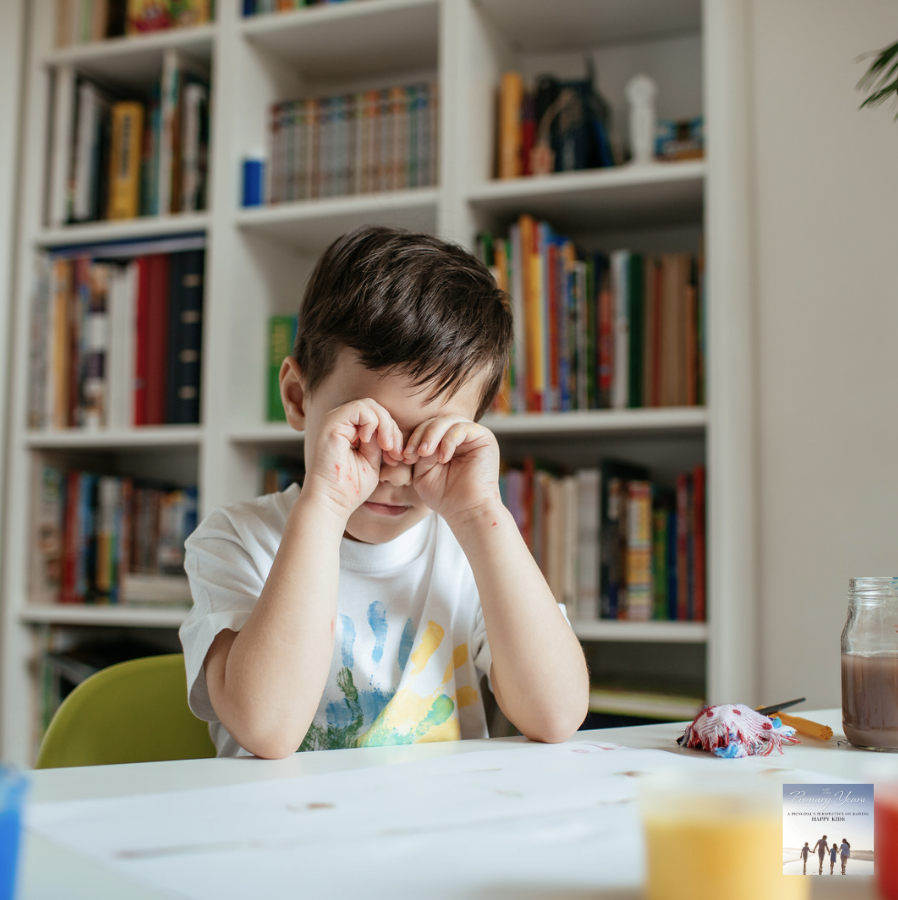
This is just a brief reminder that tiredness can be an enemy in building relationships at times. When we are tired our capacity to think straight, our interest in doing things well and our ability to pay attention are down. When we are like this and more vulnerable, we are more inclined to damage and neglect relationships, which then leads to the need to recover and repair.
Teachers who are skilled in understanding their levels of tiredness choose to teach according to how they feel. I always remember coming to school one day with no voice! Not a sensible thing to do. The children then decided to have a silent day! Well, it worked, but in hindsight, I should have been at home resting. A teacher will redirect their planned work if they are not feeling up to the mark. This flexibility is a responsible way of managing your work and ensuring that your performance fits how you feel.
Consider:
When you are tired, debating issues with your child can be a lose/ lose scenario. Delay such a plan. Nobody wants to go into damage control if possible.
Being tired leaves you open to say things more loosely. It can also quicken your temper. Nobody wants to go into damage control while tired. Remember that things said take a while to unravel.
Do you really listen to everything with clarity when you are tired? Take care not to agree to certain matters while tired. You could regret that later. Children can be very clever in choosing their time!
Sometimes it is easier not to be too present with your child on that day when you are feeling tired. This is being proactive and avoiding conflictual situations. Are there others that can deal with the matter?
Your child may not understand that tiredness affects your judgement. This is especially the case with younger children. Tell them that when tired, it is not the best time to discuss important matters. Tiredness limits how you can best help them.
Sometimes our comprehension of situations can be dulled when tired. Try not to make important decisions with your child or final statements when not feeling ready.
Do not be too hard on yourself if you feel that you just can’t deal with your child’s issue at that time. You are human and respect the fact that you want to give the best to your child. Being tired is not the best time.
‘I am feeling a little tired now. Can we discuss that matter later today?’
The more you let your child understand how you feel, the more likely they will be to approach you when ready. After all, they also want the best from the conversation and especially to be really heard. They learn quickly to choose the best time to satisfy their needs.
‘The worst thing about being tired is the negative twist of perception’
-Rosamond Rice

How to motivate your child to learn
Motivating your child to learn can be quite challenging, here’s a few parenting tips on how to keep your child motivated to learn inside and outside of the classroom.
This can be a challenge for some children who can lose motivation at school and find the whole exercise of school just too much. They can develop a flight or fight mentality to escape school or simply disengage, which is such a frustrating and helpless experience for the family to understand. Merely encouraging them or advising them about the advantages of school does not make a great deal of difference. In fact the more we talk about it, the more they can feel a failure in your eyes and further reject school.
Consider the following ideas to help motivate a child about school:
• Develop at home an atmosphere where learning is seen as a good thing. Talk about how you learn and what you enjoy when you want to read a book etc. Keep reading alive at home as we know that being able to read is a key to being happy and successful at school. The process of learning to read helps keep the brain active in processing information and communication. A child who reads will have less problems being motivated at school. Reading excites the imagination and keeps the interest high in learning.
• Encourage your child to be independent in their learning. Try not to put controls on them or limit what they must learn. We now know that children learn in all different ways and this creative process should be encouraged. Give them choices and affirm what they choose to learn. A motivated child will always want to follow their passions.

• Keep the conversations going and keep them frequent. Make them positive and full of reassurance and confidence in their efforts. Listen to their opinions and applaud creative thinking. A child needs to feel that how they learn has value and that what they have to say is important. They may challenge you in the way they think but that is OK!
• Notice the uniqueness of your child and home in on their interests. Sometimes their passions and interests last a short while, sometimes they last forever. Either way, your child needs to be supported in those interests and made to feel that their passions are powerful and valued. Help them to discover more about their passions. Perhaps if fishing is their interest go to the library together and collect books on fishing.
• All children learn differently. Any teacher will tell you this. Don't be critical of their learning style. Allow them to discover their best way of learning. When we force their hand at changing how they learn, this can destroy a child’s confidence and they can begin to doubt their ability to learn.
• Consider sharing games together. They are a great family activity but also reinforce that learning is a successful tool in playing games. A child works out that to be successful at the game they should try harder and understand more.
• Remember that the process of learning is what is important. Reward and acknowledge the effort, not the outcome. Remember that a child looks for your approval and is more motivated by your acceptance of their efforts rather than how they were successful. If absolute success is your goal, a child will become anxious about rising to meet that challenge. This is where disengagement can happen.
• Every child has strengths. It is easy for us to see our weaknesses and so important for a child to feel success through their strengths. Teachers are very good at picking up on this in class and will focus on a child’s strength to give them reassurance that they can easily learn. It also makes children less anxious about their weaknesses. This also teaches a child that failure is part of life and that we use it as a means to learn. Focusing on their weakness only shrouds them in a sense of failure and disengagement from school is not far away.
• Be a learner yourself and use opportunities around you to engage your child in learning. This is about developing an inquiring mind. Learning is catchy and your child will see you as someone helping them to develop an inquiring mind and to be curious about all sorts of things.
• Children can from time to time lose some motivation at school.
Remember they are children and may need time to simply rest a little from formal learning. Your teacher has an excellent knowledge on how your child learns and I would recommend you speak to them when motivation drops off.
‘There is nothing in a caterpillar that tells you it’s going to be a butterfly
-Buckskin Fuller

Help your child to accept and enjoy their differences
Children's uniqueness is a crucial part of who they are as individuals. Read some parenting tips to consider on how to embrace and positively encourage diversity.
As our children grow through various physical, intellectual, social and emotional stages, they are seeking out their identity and at times they feel dissatisfied with what they feel about themselves. Simply put, this is all about growing up and working out who you are in life.
One important aspect in the life of a child is their ability to identify with others, establish friendships and feel happy and fulfilled in the company of their friends. To this end sometimes a child loses some of their own identity to be part of the group. I would suggest that an important role for parents is to gently remind their children that they have a unique aspect to their personality and this can be embraced and should be celebrated.
This is all about teaching your child that they are different to other people and that this difference is what makes them special. It is about encouraging your child to like their differences and embrace them rather than absorbing them into some peer group image.

I appreciate that being part of a peer group and identifying with others is an important part of growing up. As a parent, there are a few strategies that you can use to help develop in your child a strong self-perception that can still sit comfortably alongside a sense of being part of a peer group.
Consider:
When you spot occasions where they demonstrate their uniqueness talk about it and discuss how it is such a positive aspect of your child’s personality. ‘I am so impressed at the way you care for your dog. You certainly are a compassionate and caring person. A great quality to have!’
Your child’s teacher will know exactly how unique your child is and I am sure they can tell you some great stories about how they operate in class. Learn about these unique qualities and tell your child how proud you are to hear about their differences at school.
From time to time you may have occasions to write notes to your child. This could be a Birthday card, Christmas card etc. Refer to their uniqueness and the special differences that you notice in your child. It is all positive reinforcement. Nothing is wasted in adding little reminders of their differences.
Talk about when you notice how their differences have made an impact in some way to others. There is nothing more satisfying than recognising how a person’s differences can influence and help others.
Sometimes talking about differences can set you apart from others. As a child matures, the more they understand that their differences make them who they are, the more they are inclined to value their uniqueness and like who they are becoming. Just keep gently and intermittently reinforcing that their differences are a gift.
Talk about people that you know and respect, that shine by nature of their differences. I am sure your child can easily talk about their heroes and what makes them different.
Your child can talk about their friends and they can easily identify what makes them stand out as different. This is worth a conversation at home from time to time. Children love a discussion about their friends.
When you are having parent-teacher interviews, it is normal that your child attends. This is a perfect time to talk with your teacher about the wonderful differences your child has demonstrated across the year.
Don't be anxious to repeat affirming your child’s uniqueness. It will really sink in and become an accepted part of the child’s character.
Children use their observations to work out how to treat others and how others should treat them. We can support their developing observations by highlighting differences that are important in life.
When children notice differences between people, this is a time to talk about them and to highlight that differences make the world an interesting and colourful place. It is a time to dull the potential of bias and racism. It is a time to grow in the knowledge that difference makes the world go round.
‘In diversity there is beauty and there is strength.’
-Maya Angelo

Keep smiling it works!
Children's smiles are their greatest gift. Here are some parenting tips that can assist and remind you of the power of positivity and smiling through life.
I have heard it said that your most powerful gift (or call it weapon) is your smile. It has such potential to change situations and it can turn opinions and attitudes quickly on their head. It is simply a warm expression which sends a message to the other person that all is well and I am feeling pleased.
This short article is to remind us that when situations become too difficult or everything becomes overwhelming, just try smiling. Apart from anything else, it naturally reduces immediate anxiety.

A child reads much into a smile. For them it is a comforting message and one which reassures them that you are pleased and happy with your child. It says the world is a good place. This ongoing reassurance feeds into their feeling of being safe and secure and above all liked.
Here are some thoughts on the value of smiling.
When you are having a down moment with your child and don’t quite know how to respond, just smile and leave it at that for a while.
Reflect on each day and consider how often you smile at your child or any other situation that could bring a smile to your face. Children notice your responses to situations. Be a regular smiler, it has fringe benefits!
Leaving happy smiley notes around the house or placed in your child’s lunchbox can be a spontaneous thought for the child of feeling positive.
A smile sheds light on many situations. Even when you see a difficult situation is their scope for shedding some light and brightening the moment?
Having family meals together is a great time to smile and have a laugh at some happy times during the day. A smile ejects positivism and is registered by your child that all is well.
Try to see the bright side of life and this will automatically put a smile on your face. Children love to see that you have picked up on the bright side of any situation. Remember, keep the glass half full.
Children smile a lot. It is generally natural for them to feel happy. Encourage that happy disposition and try not to dampen their positive feelings which come to the surface quite naturally.
Talk about happy people that make you smile. This teaches a child that being happy is a valued disposition because they bring light into other people’s life.
I remember that often children would ask me to be with teachers that were happy and smiled a lot. They knew that such a disposition would be the best learning environment for them. If the child is happy, the child learns.
By smiling regularly, you are showing your child that being happy is a very good space in which to live. Smiling also has a way of drowning out those grumpy attitudes that can appear in family members. Smiles always win the day.
´Before you put on a frown, make absolutely sure there are no smiles available.’
- Jun Beggs

How to help your child with reading
Read on for 9 ways to help your child learn to read.
The power of learning to read is immense. It starts at an early age and once a child has the gift of reading their world increases immeasurably. The gift of reading means that the child’s world is wide open to all sorts of possibilities and without the ability to read their world shrinks to quite an intolerable state.

9 Ways to help your child learn to read.
Let’s look at how you can help your child learn to read. It can be done in a gentle way and through spontaneity.
Early teaching is a good idea. Don’t wait until school starts. A child is curious about reading at a very early age. By helping them early to learn it shows your child that reading is a valuable tool that you want them to have access to as soon as possible.
Reading to your child is a wonderful way of introducing reading. Here the child enjoys stories and comes to want to be able to take ownership of the art of reading for themselves. Keep books visible around the house. These can be books that they simply pick up and look through the illustrations and at some point they may start to mimic the way you read to them. At some point, they will learn to memorise the story. This is all healthy pre-reading skills. Enjoy the early stages of their learning to read and try not to correct them when they make a mistake. It is all about experimenting to read. It should all be seen as a successful project.
Speaking to your child, using language is such a powerful tool in helping with reading. The more language they hear the more they retain words, expressions etc. and will apply them in their own attempts to read. Let them see and hear that you value language and use yourself to communicate effectively. Have fun with words and keep introducing new words slowly and steadily.
As you talk to your child have them tell you a story. Let them use their imagination and make it up. Write the story down and point to the words. They can have fun colouring them in. Here it is all about experimenting with the written words.
Teach phonics. When you speak the child hears the whole word. Break a word up so they begin to hear the different sounds. For example, ‘dog’ is heard as a whole word. Start to break up the phonics say, D- O- G you can turn it into a game where your child starts to hear themselves sound out the word.
Listen to your child read especially with books they bring home from school. It is acceptable to get them to reread sections in which they make mistakes. A child always wants to get it all right. They like to hear themselves read with fluency.
Teach them that writing is an important part of literacy. Keep pencils and pens around the house. Let them sketch scenes and then copy words perhaps trace them and eventually they have a go at writing them. A great tool is to write simple notes to your child, think about including little notes in their lunch box or on their pillow. Write words around the house to label items. Here you are inviting them to read for meaning, Eventually, they want to send a note back and may attempt to write.
Ask lots of questions when they read a story. Here you are strengthening their comprehension and encouraging them to be more inquiring about what they read.
Reading should be a regular, happy part of family life. It should be celebrated and books should be discussed at home. Talk about how you enjoyed a book and ask your child what they are reading at the moment. Keep books alive in the family.
Your help in giving your child a vivid impression that reading is part of life will go a long way to their success in reading. Accept all their attempts to read and affirm their efforts. Take care not to criticise errors but rather help them make happy corrections. Above all nurture their interest in reading on a regular basis. Reading is a gift for life.
‘Reading should not be presented to children as a chore, or duty. It should be offered as a gift.’
- Kate DeCamillo

Dealing with stress in children
Here are some suggestions on keeping your children’s stress levels at bay or at least contained in a manageable package. However, we recognise that stress factors operate around us all the time. Developing tactics to deal with them is the key.
Stress comes in all shapes and forms across childhood. Sometimes it is easy to move on from small matters other times it can be quite consuming for a child and very complex for a parent to manage. Either way stress in some form is part of all our lives.
Early man saw stress as a mechanism to survive. Once they recognised the degree of stress affecting their survival certain tactics were put in place to keep them alive. So we have been dealing with stress since the caveman era. It is almost part of our DNA.
Here are some suggestions on keeping stress levels at bay or at least contained in a manageable package. However, we recognise that stress factors operate around us all the time. Developing tactics to deal with them is the key.

Consider:
Getting enough sleep is so important for mental well-being. Check your child’s room. Is there adequate light reductions at night? Are they sleeping in a comfortable space that gives them several hours of uninterrupted sleep? Do they fall asleep quickly? What can you do to enrich their bedroom by inviting a better place for sleeping?
We often talk about physical exercise that will lower anxiety. The more children enjoy physical activities, the happier the space they are in. Consider all the sports that are on offer. Joining a team sport has immense befits for building personal stamina.
When a stress factor comes into play talk it through with your child. Maybe it can be worked through simply. The more the talk, the greater the propensity for solving the stress. Keeping silent about it only adds to stress and sometimes exacerbates the problem.
Fresh air and the outside environment is a wonderful distraction for stress. It is amazing how a walk through a park, a swim in a pool, a climb of a hill etc will take away the stress feeling. For children sometimes just a hit of the basketball in the yard is a great release.
Some children like to journal their feelings. If this is the case provide plenty of paper and a pencil or a diary to write about their feelings. Remember that you are encouraging them still to talk about the content so that you can both work on the stress factors.
Teachers will often encourage children to write about their feelings. It is recognised as a very legitimate way to express yourself.
Encourage your child to see their stress as something they can manage. Teach them that dealing with little matters can keep away the bigger anxieties. Set up a home environment that is open and invites children to talk about stress. By listening to them and not judging their worries they are more inclined to feel they can open up a conversation about anxious feelings.
A major source of stress can be school. Keep an open mind about school matters and ask your child open-ended questions like:
‘I wonder how school went today?’
‘School can be tricky at times. I remember when I had some issues to think about’.
Avoid using the dreaded basic question,
‘What happened at school today?’
Expect the answer:
‘Nothing.’
Keep an eye on the amount of stress that your child is displaying. For example monitor more carefully:
changed eating habits,
neglecting regular duties
heightened irritability.
increased defiance
letting go of friends
outbursts of irrational anger
When you think it is not manageable for a simple chat, time to take action and start with a conversation at school with the teacher. Much is revealed from such conversations.
Be astute and when you can avoid a stressful situation with your child avoid it. Less confrontation and reducing anxiety is the better option. To avoid stress is a proactive way of dealing with it.
Finally, we understand that we live in an environment that can trigger stress in our children. Our role as parents is to simply demonstrate the wisdom to be present and helpful with our children by effective listening. Be prepared, this sometimes means compromises on yourselves.
‘Courage is not the absence of fear but doing something in spite of fear.’
-Unknown

How to understand how friendship works with your child
A child often learns the hard way what really defines a friend and it is our job as parents to gently ease them through this process. It is not our role to choose friends for them or to simply approve of the ones we like. Remember it is their exploratory journey to find out what best kind of friendship works for them. Read here for some different ways to help them navigate friendships.
We all like to have friendships. In fact, being social and engaging happily with friends is necessary for your personal well being and they say a happy, long life.
As your child grows they begin to understand that being alone is not for them. They need special friends in their life. You could say that forming friends is an important part of their social and emotional growth. It is slow and steady growth. It goes through all sorts of trials and errors over the years in search of true, stable and trusting friendship.
During that time a child learns often the hard way what really defines a friend and it is our job as parents to gently ease them through this process. It is not our role to choose friends for them or to simply approve of the ones we like. Remember it is their exploratory journey to find out what best kind of friendship works for them.

Consider helping them in the following ways:
Remember they are your child’s friends and not yours. Take care not to be too intrusive with your child when they engage with their friends.
Take care not to influence your child in schooling friends. They need to own the choices and yes this may come with some sadness when the friendship breaks up but it is their journey.
A child feels sad when they have lost a friend. Talk about what they have learnt form the experience. Take care never to give lectures about what you see as friendship.
Sometimes you may not like the child that your child has chosen as a friend. This can be difficult especially if you have a good reason why the friendship is unsuitable. Talk gently with your child discussing some concerns you may have using an ‘I’ statement, but be careful to let the child decide what is best for them.
Friendships can come in all shapes and sizes. They can be formed for a purpose or simply for social pleasure, giving your child varied opportunities to find friends. Joining sports teams, clubs, caravan parks etc are great ways for your child to mix with different children with different life experiences.
Be open to inviting your child’s friends home for a play. This is a great way of letting your child know that you trust their judgements and that home is a welcome place for their important visitors.
When inviting children to your child’s birthday party be inclusive by not isolating children from the class list. Have seen many sad children when they were deliberately excluded and it caused much hurt. It also is a way of being generous and sharing your child’s happy moments with many children.
Take care not to probe your child when they are feeling down about a friendship loss. Let them come to you and chat. The more we question the more sad they feel that they have let you down or been the one at fault.
Don’t forget to talk to your child’s teacher if a friendship issue has come up and caused some unsettled feelings. Teachers are very astute about their student’s relationships and can give good counsel when needed. A check-in with the teacher is often a good idea especially if your child finds forming friends difficult.
Remember that forming friends is a natural process of growth in a child and they will be in and out of relationships for some time. Don't demonstrate to your child that you are disappointed by the shifts and swings with friends. They need to experiment with relationships until they can clearly define what makes a true friend for them.
Friendships for our children can form at any time as they grow up. They will have a much better chance of forming their own deep and meaningful friends if we simply walk with them through the journey of discovery, understanding that is has some tricky paths from time to time.
‘A best friend reaches for your hand and touches your heart’
Unknown

Respecting different values
We all cling to our values and beliefs. This is what makes us so definable. We are without realising it passing on many values to our children all the time. Here are some tips to help your child hold on to your and their values, and respect the values of others.
We all cling to our values and beliefs. This is what makes us so definable. We are without realising it passing on many values to our children all the time. It can be as simple as how you dress to whether tidiness is important in your family. Of course, there are more serious values such as racist viewpoints, and religious values. Political opinions etc can be a powerful statement of who you are and how you stand in the current world.
Little by little as you walk and talk with your child over the years your values are clearly laid out to them like a tapestry of life opinions. Every family has their own unique way of telling their story and passing on ideas and values to their children.

There is a challenge in this for us as parents. We may have strong values but are we open enough to talk to our children about the importance of respecting other values? They certainly will be exposed to this at school and as they mature they will begin to question and challenge even some of your most precious values.
The best way to ensure that your child understands your perspectives and is more likely to maintain valuing them is to be respectful of other's views and values.
Consider:
When your child talks about how other families value certain habits etc. be positive and say that everyone has opinions and chooses to make choices to live by. In my case, I prefer to live my way and this satisfies me.
If your child wants to talk about how other families do things differently, have an open conversation and listen to the opinions they are forming. Affirm their observation but gently state your values.
Discuss from time to time how values can differ and how having an open conversation about it is important.
Are you open to changing your values? Your child will grow and start to reflect on how they see their life forming. Sometimes this can challenge us to rethink our values and this can be a good thing. Here you show your child your open-mindedness and appetite to grow emotionally.
Talk about how in your friendship circle there may be people who share different values and yet you enjoy their company. Let your child know that you do not have a closed mind and you accept differences comfortably.
If you have values that you cherish, ensure that you consistently live by them as your child will respect you more when they see your consistency in living by your word. They will also look to see that such values actually make you happy.
The school you have chosen for your child will present their own set of values. Take care that you share them with your child so that they feel that they are in a safe and trusting environment valued by their parents. A child becomes confused when they see conflicting values between school and home.
Finally, your presence in the life of your child is a massive imprint on their mindset where your values are laid squarely in front of them to either adopt, modify or erase. As a parent show your tolerance and acceptance that values can vary and that people make choices that you may find unacceptable by your standards. By respecting their right to exist, your child will see you as a fair and reasonable person whose values just might be worth adopting for a lifetime, with some adaptation of course!
‘Open your arms to change, but don’t let go of your values.’
Dalai Lama

The art of bringing happiness to your child
A happy child is one that feels secure and has strong supports around them that intelligently allow the child to grow in an environment that is open, engaging and inclusive. As parents we try our best and the human side of us sometimes fails to hit the right mark. Here’s some tips to help bring happiness to your child - sometimes, in these stressful days, it’s important to help build a child’s level of happiness.
We are always seeking and wanting our children to have a happy life. It’s a natural instinct as a parent to embrace happiness for our children. Of course life comes in all forms and challenges will bring failures, distress, unhappiness and unwelcome surprises to a child’s life. Managing your way through that maze is part of the role of parenting. It also builds character and strengthens a child’s emotional reserve.
Here are a few thoughts that I have reached from my experiences with children that may help build a child's level of happiness.

Consider:
The first thought is that a happy parent makes for a happy child. Children will reflect your mood and sense of well being. Having the presence of a happy parent around is a strong indication to the child that the world is all well.
Keep encouraging persistence and effort. You are not rewarding perfection but you value the journey a child makes in their efforts to do well. Frequent affirmations around the efforts they make keeps the momentum going and shows the child that it is all about the ongoing contributions and not a perfect result.
By your own modelling teach them how to make friends. Show them how best you do this and what skills you need such as listening effectively, empathy, patience, humour etc. Your example will go a long way in teaching them how to build and sustain relationships.
See the optimistic approach to life. Find the positive in situations and when your child focuses on the negative, see the glass as half full. An optimistic approach attracts people and builds a strong happiness component.
We are working on building emotional intelligence in our children. This means that you should show them an intelligent approach to situations rather than using anxiety and reaction to deal with situations. Talk through with them their problems looking at a mature approach to solving matters. Of course how you personally demonstrate emotional responses to situations will teach your child, the best way possible.
Encourage self discipline. This can be done through insisting on finishing projects, completing jobs etc. Perhaps encourage children to wait for special treats rather than have everything instantly.
Be active as a family. Physical fitness and keeping engaged in activities such as sport give so much joy and feeling of self worth to growing children.
Allow failure into the life of your child. They need to learn that failure is part of life and we can learn form such experiences. This means not immediately trying to bail them out of trouble or solving their problems for them.
Slowly give your child progressive independence. Reward them with it when they demonstrate that they can be trusted. Feeling independent is a life giving experience and can be a significant growth curve for a child.
Keep play alive in your family. No matter what age everyone enjoys playing together. Find new and different ways of keeping play alive in your family.
A happy child is one that feels secure and has strong supports around them that intelligently allow the child to grow in an environment that is open, engaging and inclusive. As parents we try our best and the human side of us sometimes fails to hit the right mark. Good I say as after all we teach our children to be human.
‘Sometimes we forget that parenting like love, is a verb.’
- Jessica Joelle Alexander