
Managing anger in children
It’s natural for children to feel angry on occasion. Here are some tips to help manage this.
There are many ways we can respond to anger. Consider the following ideas to help with managing anger.
Teach Your Child Acceptable Responses to Anger

They can simply walk away from the person making them angry.
Find a spot to cool off.
Think about positive thoughts that take you away form the anger
Tell yourself to keep calm.
Teaching How to Handle Big Feelings
Kids need to learn how to handle their big feelings like anger. It helps them deal with tough situations better. Talk about what is a big feeling.
Teach simple breathing exercises or offer a cosy spot when they're upset. Show them it's okay to talk about feelings and find ways to let out anger without hurting anyone, like drawing or going for a run.
Solving problems and talking nicely
Learning to manage anger teaches children how to fix problems without fighting and how to talk nicely.
Practise talking about what's bothering them without yelling. Show how to listen when someone else is upset and find ways to fix things together. Always create a calm, warm atmosphere when talking about anxious matters.
Making Friends and Being Happy
Handling anger nicely helps kids make good friends and be happy in school and at home.
Role-play situations where they can practise talking without getting mad. Encourage being kind and understanding to others to build strong friendships.
Feeling Calm and Relaxed
Managing anger helps kids feel calm and relaxed instead of stressed or upset all the time.
Try relaxation activities like deep breaths or listening to calming music. Doing fun activities or games that they enjoy also helps release stress. A basketball ring outside in the yard is a great stress buster
Getting Stronger and Smarter
Learning to handle anger makes kids strong and smart. It helps them learn from mistakes and not give up. With anger under control they are more socially engaging with everyone.
Encourage them to think positively when things go wrong. Show how trying different ways to solve a problem can make them better at handling tough situations.
We all have a right to feel angry. It is a natural response when we are disappointed, hurt etc. Teaching our children how to deal with anger in a positive way develops their emotional intelligence and gives them great strategies to operate in many and varied life situations. A person’s well being is really enhanced if they have great skills in managing anger.
‘Teaching your child how their behaviour effects others raises their sensitivities and invites them to rethink their anger.’
- Gail J Smith

Teaching good manners is a great life skill
Here are 5 benefits of teaching children great manners.
If we want our children to be well accepted and socially adapt then teaching and modelling good manners gives them a great advantage in life. Manners are a good way for you to show gratitude, display respect and demonstrate kindness. Well mannered children are highly sort after for leadership, advanced learning opportunities, senior roles etc.
Here are five key reasons outlining the benefits:
Social Skills and Relationships
Good manners help children interact positively with others, building strong relationships. When a child has good manners they are welcomed into groups. Other children feel comfortable around them and not threatened by unpredictable behaviour. Manners are a sensitive awareness of the feelings of others.
Respect and Empathy
Manners teach children to be respectful and empathetic towards others' feelings and perspectives. A well mannered child is very conscious about how to address people and how to engage with someone in difficult circumstances. Their powers of observation in dealing with people is more acute
Confidence and Self-Esteem
Practising good manners boosts children's confidence and self-esteem in social situations. They feel more sure about themselves knowing that how they communicate often sets the scene for conversation.
Success in School and Future Career
Having good manners positively influences academic success and future career prospects. People are attracted to well mannered people and are comfortable in engaging with them.
Positive Reputation and Liability
Children with good manners are often well-liked and respected by peers and adults. There is nothing more pleasant than being around people that make you feel comfortable.
A child who has acquired the good habit of using manners is in a class of people who are self assured, understand boundaries and who will intuitively use their language to keep the quality of conversation at a high level.
‘ Good manners will open doors that the best education cannot.’ Clarence Thomas

A happy child makes us all feel the joy of youth.
Read on for 5 basic needs to help your child feel content.
Here are five needs that a child once fulfilled will be content
Love and Support
A happy child needs love, care, and unwavering support from family and caregivers.Opportunities for Play and Exploration
Children thrive when they have ample opportunities for play and exploration in a safe and stimulating environment.Positive Reinforcement and Encouragement
Encouraging words, praise, and positive reinforcement contribute to a child's happiness and confidence.Healthy Relationships and Connection
Building healthy relationships and fostering strong connections with family and friends are crucial for a child's happiness.Sense of Security and Stability
A stable and secure environment provides the foundation for a child's happiness and well-being.
‘Never underestimate that your attention, respect, confidence and security given to your child are building a very happy person.’
Gail J Smith

Six mini moments of joy and care to your child
Six ideas for giving mini moments of support and encouragement to your child.
Here are some ideas for giving mini moments of support and encouragement to your child. It is amazing how little encouragement along the way can make all the difference for your child. It doesn’t have to be long and protracted. It just needs to be spontaneous and joyful where the child feels happy, reassured and valued.

Getting Closer: Hugging and comforting your child help you become closer, like best friends. It makes them feel safe and close to you.
Understanding Feelings: When your child is sad or mad, talking to them and comforting them helps them understand and deal with their feelings better.
Feeling Awesome: Saying nice things about what your child does, even if it's a small thing, makes them feel great about themselves. It’s all about positive talk.
Being Kind: When you show kindness to your child, like helping them when they're hurt or upset, they learn to be kind to others too. This develops empathy and sympathy.
Growing Healthy: Giving your child healthy food, playing with them, and helping them learn new things helps them grow strong and smart.
Happy Memories: Doing fun things with your child, like reading stories, baking cookies, or playing games, creates happy memories that they'll remember when they're older. Best to make wonderful long-term memories that will be recounted in their adulthood.
In simple terms, being a good parent means showing love, being there, and doing fun things with your child every day. These little moments of care add up to help your child feel loved while growing up happy and strong. Make it a habit to find occasions to provide those mini moments of care. They will soon add up to a wealth of encouragement.
‘Building blocks of life can start with mini moments of giving joy to your child.’
-Gail J Smith

Be excited for your child as they attend school each day
A school’s environment will have much to offer your child. This blog discusses the positive benefits you can expect from the school.

Imagine educating your child on your own! There is so much excitement and anticipation when your child starts school as they will be exposed to myriads of opportunities and challenges. You will journey through the school experience and together with your child enjoy the long and winding process together. You are in partnership with the school which sees you as a critical educator and contributor to your child’s education.
A school’s environment will have much to offer your child. Below are some very realistic outcomes that you can expect from the school.
Social Development: School is a place where children interact with peers and learn valuable social skills like sharing, cooperation, and making friends. Parents can be happy about their child's chance to develop important social relationships. Their ability to make friends, keep them and practice the art of good communication comes from the school setting. Such an environment enlivens your child’s emotional and social growth. They learn a lot about self-esteem by studying their peers.
Independence and Responsibility: School teaches children to become more independent and responsible for their actions. Parents can look forward to seeing their child grow in maturity and self-sufficiency as they take on new responsibilities. A school will support the work you do in teaching your child all about being responsible. Teachers work hard to encourage independence in learning and set expectations and goals for your child.
Broadening Horizons: School exposes children to a wide range of subjects, ideas, and experiences that they may not encounter at home. Parents can be excited about the opportunity for their child to explore different interests and broaden their horizons. You cannot do everything. A school presents topics that can be discussed openly and challenges your child to think differently. The setting of a school sets the scene for healthy, vibrant conversation. It encourages your child to think differently.
Emotional and Cognitive Development: School not only focuses on academic learning but also on emotional and cognitive development. Parents can be happy knowing that their child will receive guidance and support in developing important life skills and emotional intelligence. As your child grows, the school will set social and emotional expectations to match their age and learning. It will challenge your child in different ways to enrich their emotional intelligence.
Future Opportunities: A good education lays the foundation for future opportunities and success. Parents can feel excited about the doors that may open for their child as they progress through their educational journey. Who knows what your child will do and become after they leave school? The excitement is to watch how school broadens their thinking and expectations. You are not alone in preparing them for life.
In summary, school offers children a host of benefits, from educational and social growth to independence and future opportunities, which can make parents excited and happy about their child's educational journey. So be happy when you send them off to school. Understand that school will be a setting to parallel all the good work that you do through parenting.
“Tell me and I forget, teach me and I may remember, involve me and I learn.’’Einstein.

The fun of joint projects with your child
Activities are a great way to spend time together, showing you are keen to build a strong relationship with your child. Read this blog for some fun activity suggestions.
Finding good reasons to spend time together shows that you are keen to build a strong relationship with your child. Finding projects that you can share together is not only educational but leads you both on a journey of discovery together. Shared projects mean you are both actively engaged to discover and learn new things. What better way than to show your child how you value learning as much as them.

In a shared project there is give and take and lots of healthy questioning along the way. It means that conversations with your child are rich and lead to happy negotiations between the two of you.
To find joint projects, look at things you do at home that can be shared. Think about what motivates you and what will motivate your child. Once you have a good sense of an activity that you both will enjoy then go for it. The project does need to be wanted and accepted by both of you. It will fail if the passion wears off quickly. Think about how your family operates and what interests them enough to join in with you on project developments.
Here are some suggestions:
Gardening, setting up veggie areas together.
Building a small cubby house.
Fixing bikes and toys together
Cooking, experimenting with new recipes.
Doing a drawing course together.
Painting the child’s room together.
Building a major Lego set.
Sewing and learning about patterns.
Build a bird feeder.
Art and craft activities with toilet rolls etc.
Be involved in exercise together.
Nature activities, setting up equipment together.
Research together where next to go on holidays.
Develop a family scrapbook together.
The list is endless and is only limited by your imagination.
Together you are teaching your child more about the world, showing them new skills and deepening your relationship with them. You are also fostering teamwork and bonding. Your child needs to see how you value learning and want to share your wisdom with them.
‘Anyone who has never made a mistake has never tried anything new.’
-Albert Einstein.

The Life giving Power of Politeness: Why Teaching Good Manners Boosts Your Child's Education!
Read about how politeness and manners are so important to implement in your child's upbringing.
In all my years as Principal and in my experience as a teacher, polite children always won the day! Such children are often popular because they speak well of others and provide no threat. They attract attention because their politeness is attractive and creates an illusion that they are in control of people who use intelligence as their main vehicle of communication. It is quite amazing how a polite child is so valued and attractive to others.
Here are five ideas to demonstrate how teaching good manners is effective and beneficial to the child, especially when taught by the parents.

Social Skills for Success: Good manners lay the foundation for positive social interactions, enabling children to build strong relationships with peers and adults alike. Polite children tend to be more confident in social settings, making them more approachable, likeable, and adept at resolving conflicts. These essential social skills pave the way for better academic collaboration and extracurricular involvement, fostering a well-rounded education. Never underestimate how politeness can make a child a lot happier socially.
Improved Communication Skills: Teaching children good manners involves emphasising active listening, respectful communication, and empathy. These skills not only improve their ability to express themselves effectively but also foster a deeper understanding of others' perspectives. As a result, children become more articulate and empathetic communicators, which bolsters their academic performance, participation in class discussions, and presentation abilities. A child with strong communication skills is a much more confident child
Positive Classroom Environment: When children practice good manners, they contribute to creating a positive and respectful classroom environment. Polite behaviour encourages cooperation, teamwork, and a sense of community, promoting a conducive atmosphere for learning and academic growth. Teachers can focus more on teaching, and students can concentrate better on their studies when the classroom is characterised by courtesy and mutual respect. By being polite, the quality of the learning environment improves. Children listen and hear better when the atmosphere is respectful.
Developing Emotional Intelligence: Good manners are closely linked to emotional intelligence—the ability to recognise and manage emotions, both in oneself and others. Children who are taught good manners are more likely to be emotionally aware and capable of handling stress and frustrations constructively. They read the signs very well. Emotional intelligence positively impacts their academic performance by improving their self-regulation, problem-solving skills, and resilience in the face of challenges. There is considerable self discipline demonstrated through politeness and this feeds into improved emotional intelligence. There is more interest in being grateful than feeling entitled.
Preparation for Future Success: Beyond the classroom, good manners are essential in preparing children for future success in their personal and professional lives. Employers often seek candidates with strong interpersonal skills and a respectful demeanour, making good manners a valuable asset in the job market. Additionally, individuals who practice good manners are more likely to cultivate supportive networks, mentorship, and opportunities throughout their lives. It’s as though in this ever-changing world, instilling good manners in your child's upbringing is a life giving investment that not only improves their education but also nurtures their overall growth and success. We could easily say that politeness is a measure of success in a world that can easily spin out of control.
As the parent, demonstrate through your own life how politeness has served you well. If a child comes from a family where politeness is valued, it then stands to reason that they will comfortably and confidently adopt that model.
‘Better good manners than good looks.’
-Proverbs

Crazy ideas to lighten the load and make a child’s feeling of school a happy one
Read the following blog for fun ideas that can brighten the week for everyone.
These ideas may just brighten the week for everyone.
The Early Riser Battle Plan: First down to the breakfast table after jobs are done scores points. The child with the most points at the end of the week gets a sleep-in on one of those days.

The "Stealth Mode" Lunch Packing: Want to surprise your kids with a special lunch? Practice your ninja skills and sneak some fun notes or treats into their lunchboxes. It's like being the undercover agent of parenting! Do it occasionally so that it really is a surprise.
Homework Hijinks: Turn homework into a game show! Buzz in for correct answers and use a giant foam hand to point out spelling mistakes. Your kids will be entertained, and their homework sessions will become a hilarious competition. Let them see that homework is a regular part of family life.
The Magic Cleanup Spell: Teach your kids a "magic" cleanup spell. Just wave a spatula in the air, say "Hocus Pocus Tidus Maximus," and watch as they tidy up their toys in record time.
The "Dance Party" Drop-off: Instead of the usual drop-off routine, have a dance party in the car before they go to school. Groove to their favourite tunes and see them off with a smile on their faces.
The "Mystery Bag" Snack: Prepare a "mystery bag" snack with unusual food items hidden inside. Let your child discover the surprise during lunchtime. It's like a mini food adventure every day!
Time Travel Transport: Turn school drop-off into a time travel adventure. Pretend your car is a spaceship or a time machine. "Buckle up, Captain, we're off to the future of knowledge!"
Math-a-Palooza: Practice math skills in unconventional ways. Use lollies as counting tools or measure ingredients for a baking session. Who knew learning could be so sweet and tasty?
Artistic Lunchbox Masterpieces: Level up your lunchbox game by creating art on the sandwich! Use food colouring to draw funny faces or animals. The kids will have a blast eating their edible masterpieces.
Parent-Teacher Comedy Show: Organize a fun parent-teacher comedy night where parents and teachers perform humorous skits about parenting challenges. Laughter is the best way to bond!

Being a parent is a challenge but also an absolute joy
Six great strategies to help parents see the enjoyable side of parenting.
Parenting can be challenging, but it is also a fulfilling and enjoyable journey.
Here are six great strategies to help parents see the enjoyable side of parenting: The process needs to be enjoyed and savoured as a unique part of your life.

Practise Gratitude: Take time each day to reflect on the positive aspects of parenting. Focus on the moments that brought joy and fulfilment, no matter how small they may seem. When you look at your child feel gratitude that they are looking back at you!
Celebrate Milestones: Celebrate your child's milestones, big or small, and recognise your role in their growth and development. Whether it's their first steps, a good grade at school, or simply mastering a new skill, acknowledging these accomplishments can bring joy and pride to both you and your child. Take photos and keep mementos of special occasions. Keep the fire alive in celebrating all sorts of situations.
Spend Quality Time: Make an effort to spend quality time with your child doing activities you both enjoy. Engaging in fun and playful activities together creates positive memories and strengthens the parent-child bond. Quality time can be short or long but needs to be regular and become a normal part of family life. Be active with your quality time. Games and sports are a great way of enjoying each other.
Find Humour in Parenting: Parenting can be filled with many humorous moments, and finding humour in everyday challenges can lighten the mood. Laughing about the messy situations or innocent remarks your child makes, can turn potentially stressful situations into amusing anecdotes. The world of parenting is messy and comes with all sorts of challenges. Keep the world of parenting light and see the beauty and humour of simple things. There it will be found.
Connect with Other Parents: Building a supportive network of other parents can be a great way to share experiences, advice, and humour. You need not be alone. Join parenting groups, attend social events, or connect with parents in your community to feel a sense of camaraderie and understanding. Laugh at yourself and your parenting style from time to time. Everyone will parent differently and that is fine.
Self-Care for Parents: Taking care of yourself is essential for enjoying parenting. Ensure you get enough rest, engage in hobbies or activities you love, and don't hesitate to ask for help when needed. When parents are well-rested and emotionally fulfilled, they are more likely to appreciate the enjoyable moments of parenting. Take breaks where necessary and see them as a time of respite. For this, you will parent much better.
Being a parent is an active, changing business. It comes with challenges that can be turned into great moments of discovery and joy. Nothing ventured, nothing gained is true of parenting. You need to get in there hands and feet. Above all, enjoy the journey and keep reminding yourself of the preciousness of your role.
‘One of the greatest titles in the world is a parent, and one of the biggest blessings in the world is to have parents to call mum and dad.’
-Jim DeMint

Simple suggestions to help build empathy and kindness in your child
Read the blog to find out how to build empathy and compassion in your child.

The difference you can make in how you teach and model empathy and kindness is amazing. See it as a way of life that is common practice in your family.
Be a good example: Show kindness and caring by helping others, like sharing toys with a sibling or comforting a friend who is sad.
Understand how others feel: Imagine how someone else might feel in a situation. For example, think about how a friend might feel if they didn't get invited to a party. Are you inclusive when you send out invitations? Share your feelings: Talk about your own emotions and encourage your child to express their feelings too. Let them know it's okay to feel happy, sad, or angry.
Listen and pay attention: When your child talks, give them your full attention. Show that you care about what they say by looking at them and responding kindly.
Do kind things for others: Encourage your child to do nice things, like saying "thank you" to their teacher or helping a classmate with a task.
Learn about different cultures: Read books or watch shows that teach about different ways of life. Talk about the traditions and customs of other cultures.
Solve problems without fighting: Help your child find solutions when they have a disagreement. Encourage them to listen to others, find common ground, and work things out peacefully. Teach them the powers of negotiation.
Talk about real-life examples: Have conversations about news stories or events that involve kindness and helping others. Discuss how they can make a positive difference too.
Stay positive: Encourage your child to see the good in people and situations. Talk about happy news or share stories of people being kind to each other.
Say "thank you" and be grateful: Teach your child to appreciate what they have and show gratitude. Encourage them to say "thank you" and be thankful for acts of kindness.
Help others in need: Encourage your child to lend a helping hand to those who need it. They can assist an elderly neighbour with carrying groceries, offer to walk a friend's dog when they're busy, or help a classmate with their schoolwork. Teach them how to notice where there is a need.
Apologise and forgive: Teach your child the importance of apologising when they have hurt someone's feelings. For example, if they accidentally break a friend's toy, guide them to say sorry and find a way to make amends. Also, encourage them to forgive others when they receive apologies, promoting empathy and understanding. Talk about what reconciliation is all about.
Stand up against bullying: Teach your child to be kind and compassionate by speaking up against bullying. Encourage them to support classmates who are being treated unkindly, be a friend to someone who is feeling left out, or report bullying incidents to a trusted adult.
These ideas give some suggestions as to how to build empathy and compassion in your child. Be spontaneous and look for occasions where you can build their awareness and sensitivity to others and the world around them.
‘A smile can brighten someone’s day and enlighten their spirits.
- Gail J Smith

Navigating the Emotional Roller coaster: Supporting Parents with Children at School
For some children, school can be challenging on many different levels. This blog aims to provide emotional support and practical strategies for parents to navigate the ups and downs of their children's school lives.
The journey of parenting can be a roller coaster of emotions, especially when it comes to supporting your children's experiences at school. As parents, we all want the best for our kids and wish to see them thrive in their academic and social lives. However, it is not uncommon to encounter various challenges that may leave us feeling overwhelmed, stressed, or even helpless.
This blog aims to provide emotional support and practical strategies for parents to navigate the ups and downs of their children's school lives. For some children and parents school can be a very challenging environment on many levels.
Understanding the Emotional Landscape of School Life:

Embrace the joy of seeing your child explore and learn new things at school, even though it may come with challenges like stress and anxiety.
Celebrate your child's bravery as they face peer pressure and academic demands, knowing that they will grow stronger through these experiences.
Remember, it's okay to feel a mix of emotions as a parent – from worry to pride – it shows how much you care about your child's well-being and success.
Effective Communication with Your Child:
Share laughter and light-hearted moments with your child when talking about their school life. A good sense of humour can bridge any communication gaps.
Rejoice in being a trusted confidante for your child, where they can freely share their frustrations and feelings about school.
Cherish those spontaneous moments when your child needs you, knowing that your attentive presence helps them navigate through their challenges.
Building Resilience in Your Child:
Celebrate your child's growth mindset and the positive attitude they develop towards learning and setbacks. Their resilience will lead them to greater achievements.
Embrace the joy of teaching your child coping skills like yoga, mindfulness, or deep breathing, knowing you're giving them valuable tools for life.
Witness the strength and resilience your child exhibits when facing stress and anxiety, and be proud of their ability to overcome obstacles.
Dealing with Academic Pressures:
Take pride in your child's efforts and progress, letting them know that their hard work is appreciated regardless of the outcome.
Find joy in striking a balance between supporting your child's academics and allowing them to grow independently, fostering their self-confidence.
Celebrate each step of improvement and acknowledge your child's accomplishments, boosting their self-esteem along the way.
Handling Social and Peer-Related Issues:
Find joy in being your child's pillar of support during friendship struggles, knowing you play a crucial role in their social development.
Celebrate the moments when your child shows empathy and inclusiveness, as they cultivate healthy social skills and create meaningful friendships.
Rejoice in the close connections you build with other parents and the valuable support network that helps normalize your concerns.
Coping with Transitions:
Treasure the joy of witnessing your child navigate significant transitions, like starting school or changing schools, and seeing them grow in adaptability.
Celebrate the milestones and graduations in your child's life, knowing that you've been there for them during every step of the journey.
Self-Care for Parents:
Embrace the joy of prioritising self-care, as it not only benefits you but also positively influences your child's emotional well-being.
Take pride in practicing self-care strategies that make you feel good and rejuvenated, allowing you to be the best version of yourself for your child.
Celebrate the moments when you find peace and balance in your life, it sets a positive example for your child's self-care habits.
Connecting with Other Parents and Support Networks:
Rejoice in the joy of finding a supportive network of fellow parents, where you can share experiences and find comfort in knowing you're not alone.
Celebrate the benefits of seeking professional support when needed, it shows your dedication to being the best parent you can be.
Parenting is a beautiful journey filled with ups and downs, and by embracing the joy of supporting your child emotionally through their school years, you create a nurturing environment for them to flourish and grow into confident, resilient individuals.
‘As your child grows and changes, you too grow and change as a parent. Embrace it.’
-Gail J Smith

Time to remind yourself that being a parent is a wonderful experience
A reminder to cherish the wonders of being a parent.
Unconditional Love: Being a parent allows you to experience a deep and unconditional love for your child. Something unique and special develops between you and the child. It is precious. It is irreplaceable. You own it.

Example: Seeing your child's smiling face when they wake up in the morning or hearing their laughter when you play together fills your heart with pure joy.
Milestone Moments: As a parent, you get to witness and celebrate numerous milestone moments in your child's life. You are part of it and you can take pride in all your contributions over the years. Each achievement becomes a source of immense pride and happiness.
Example: Capturing the moment when your child takes their first step or saying their first words creates memories that you'll cherish forever.
Sense of Purpose: Parenting gives you a strong sense of purpose and meaning. Nurturing and guiding a child through life's challenges allows you to make a positive impact and shape their future.
Example: Knowing that you are raising a compassionate, kind, and responsible individual who will contribute positively to society, fills you with a sense of purpose and fulfilment.
Having a child in your life reignites the wonders of life through a child’s eyes. It awakens in us the child we were and it invites us to share in simple joys and pleasures. It clears the cobwebs that can develop as we plough through our adult life.
Example: Watching your child marvel at a rainbow or discover the beauty of a butterfly can remind you of the wonders that often go unnoticed in the hustle and bustle of adult life. They awaken in you the child and that is liberating.
Learning and Growing Together: Parenthood offers continuous opportunities for personal growth and learning. As you navigate the challenges and joys of raising a child, you gain valuable insights, patience, and resilience. Having another individual in your life that relies on you, needs care and understanding will demand from you your absolute attention. There is no escaping building tolerance, understanding, empathy etc.
Example: Overcoming sleepless nights, mastering the art of multitasking, and learning to be patient during tantrums are all experiences that help you grow and become a better version of yourself.
Emotional Satisfaction: Parenting brings immense emotional fulfilment. The love, laughter, and moments of connection you share with your child create a deep sense of happiness and contentment. How emotionally satisfying it is to see yourself in your child.
Example: Embracing your child in a warm hug after a long day or hearing them say, "I love you, Mom/Dad," can instantly fill your heart with overwhelming joy and gratitude. Enjoy those special little moments. They come spontaneously and frequently.
Creating Life Memories: Being a parent allows you to create lasting memories that you and your child will cherish throughout your lives. From family vacations to everyday adventures, these moments become the foundation of a lifetime of shared experiences.
Example: Going on a family road trip and exploring new places together, or even simple activities like baking cakes and having picnics in the park, become treasured memories that you can reminisce about in the future.
Building Strong Bonds: Parenthood enables you to build deep and lasting bonds with your child. The connection you form with them becomes an unbreakable bond that provides a source of strength, love, and support. You take them from dependence to independence and you build foundations that are unique to you and your child.
Example: Sharing quality time with your child, engaging in conversations, and being there for them during both good and challenging times strengthen your relationship and create a lifelong connection.
The journey you share with your child is likened to weaving a tapestry. There will be various shades that brighten and darken the work. Sometimes the weave will be thick and full of texture, and other times lighter and softly woven. It builds into a magical imagery of your life shared with your child that has been created lovingly over the years.
‘We never know the love of a parent till we become parents ourselves.’
-Henry Ward Beecher

Nurturing Emotional Intelligence in Children: Emphasising Emotional Care
Parenting tips on how to emotionally care for and support your child to help nurture their emotional intelligence.
As a parent, your emotional world has a profound impact on your child's emotional intelligence. By providing emotional care and support, you can help your child develop stable, consistent, patient, and reliable emotional skills, enabling them to navigate the world with greater understanding and empathy.

Here are some practical suggestions to help nurture your child's emotional intelligence:
Teach Emotional Literacy: Use age-appropriate language and concepts to help your child identify and understand their emotions. Engage in activities such as using emotion charts, role-playing scenarios, or storytelling to encourage your child to express and recognize their feelings effectively.
Cultivate Mindfulness: Introduce mindfulness practices to your child, such as deep breathing exercises or guided meditation. Encourage them to appreciate the present moment and help them incorporate mindfulness into their daily routine. For example, you can have a mindful minute together before starting a new task or enjoy a brief morning run, appreciating nature and its surroundings.
Foster Social-Emotional Learning: Encourage your child to learn valuable lessons from their everyday social experiences. Teach them to consider different perspectives, be open to others' opinions, and practice inclusivity in their thoughts and actions. Engage in meaningful discussions about their interactions, to help them develop empathy and understanding towards others.
Promote Empathy-Building Activities: Share ideas for activities that promote empathy, such as engaging in perspective-taking exercises, participating in community volunteering, or collaborating on group projects. Discuss how these activities can help your child understand different viewpoints and develop compassion for others. Consider joining a group or organisation together to reinforce the value of empathy and caring for others.
Teach Conflict Resolution Skills: Guide your child in resolving conflicts peacefully and constructively. Encourage active listening, compromise, and problem-solving discussions when conflicts arise, such as those between siblings. Use these moments as opportunities to practice simple conflict resolution techniques, helping your child develop valuable skills in managing disagreements.
Be a Positive Role Model: Serve as an influential adult who models emotional intelligence for your child. Demonstrate empathy, self-control, and effective communication in your interactions with others. Be mindful of your own emotional responses and provide a supportive, nurturing environment that encourages your child's emotional growth.
Remember, nurturing emotional intelligence is a gradual process that requires emotional care, patience, and wisdom from caring parents. By exposing your child to emotionally mature adults and providing a safe and loving environment, you empower them to interpret the world with greater empathy, understanding, and resilience. Hence they become more emotionally mature.
‘Children are not things to be molded, but are people to be unfolded.’
- Jess Lair

Nine Proactive Strategies for Fostering Mental Health in Children
Here are nine ways to foster and sustain your child’s mental health and well-being.
Promoting mental health in children is of utmost importance, particularly in our current world.
Here are several insightful strategies that can be employed to nurture and sustain mental well-being in our young ones:

Demonstrate Positive Emotions: Being a consistent source of happiness and positivity around your child is critical. Let your joy radiate visibly, providing them with a secure feeling that everything is alright. Your smile can serve as a comforting reassurance.
Encourage Physical Activity: Exercise is known to boost mood and overall well-being. Engage in regular physical activities with your child and make it a family routine. This not only benefits their physical health but also their mental state.
Cultivate a Love for Music: Music has a profound impact on our emotions and can uplift the spirit. Incorporate a variety of music into your family life, utilising it as a background score to your everyday activities. This creates an ambience of positivity and serves as an effective stress reliever.
Foster Positive Associations: Direct your child's attention to the good things happening around them. Discuss amusing anecdotes, talk about jovial and optimistic individuals you know, and celebrate the positive aspects of life.
Promote Generosity: Demonstrate to your child the power of giving. Instilling a sense of generosity can enhance their mental well-being and give them a broader perspective on life. You can exemplify this through simple actions like donating toys they've outgrown.
Encourage Proper Rest: Adequate sleep is crucial for a child's mental and physical health. It helps their brain process the day's activities and sets them up for optimal performance the next day.
Teach Healthy Recreation: Equip them with various recreational activities like sports, reading, or simply relaxing. These pursuits can help them carve out mental space for themselves when needed. Your role modelling in this area is vital.
Cultivate a Sense of Humour: Encourage them to appreciate the lighter side of life. Too often we focus on the negatives or the potential risks, but teaching them to find humour can provide them with a more balanced view of life.
Nurture Social Relationships: Facilitate the presence of your child's friends in their lives. Friendships play a significant role in their social development, and your active involvement in fostering these relationships can be highly beneficial.
Above all, it's crucial to create an environment where positivity thrives, life is cherished, and the world is perceived as a beautiful place to live. By being such a parent, you can positively shape your child's outlook and foster their mental health.
‘Life is always better with a smile on your face’
- Gail J Smith

Keeping perspective on what is important
Time goes so quickly with children, here are a few reminders to cherish the smaller moments.
Time goes so quickly with children. One minute they are a helpless infant and then the terrible two-year-old and then the sweet five-year-old ready for school. We cannot keep tabs on every moment, but we can try to reflect a little more deeply on just simply enjoying some moments, especially those that tell us more about our child.
I always remember how quickly a year went in a classroom. There were some precious moments with the children that you try and keep in your memory banks. Time can so easily diminish those memories.
This blog is inviting you to value those special moments as they will be those lasting and important memories going into your future. Do you remember when your child first walked? Perhaps you have a wonderful memory of them smiling at you for the first time. These special moments will become the fabric of your memories over the years. It is important to recognise that they have value and you need to look for those moments that are unique and special to you and your child. Their uniqueness makes them memorable.
Consider:

The more you identify those special moments, the greater appreciation you have for your child’s development. You begin to notice so much more of their subtle aspects of growth.
Each day, find something special that you notice about your child. Think about it and look for occasions when it is evident.
Talk about those special moments to others. There is nothing more reinforcing than having conversations about those moments you cherished.
Keep it simple. The very best moment can be found in the simplest of situations.
Find humour in what your child does during the day. Try to avoid getting frustrated by their actions. In some cases, there can be quite delightful moments in seemingly difficult situations.
If you see your child in a positive light, you will easily see those special moments in your child. They are not difficult to find.
Sometimes saying nothing and just watching your child interacting with play or with others can give you such satisfaction.
Some parents keep a journal of those special moments and enjoy going back over them through the years.
Opportunities will pass you by if you are rushing through life. Each moment has its own merit and we often are too focused on what lies ahead and what we must do to get there.
Never underestimate the value of that special moment that you are feeling with your child. It is precious and unique to you. Learn to look all around in odd places to find that moment.
If you haven’t found that special moment for a while, take some time to slow down and just enjoy your child for a little while. That moment will come.
Finally, because life is on the move all the time, freeze frame some moments to store for your future reflection of your child.
‘Sometimes you will never know the value of a moment until it becomes a memory.’
-Dr. Seuss

A happy classroom is a healthy place in which to learn
A classroom is a happy place where learning happens. Here are some ways to help your child with feeling happier and settled at school.
Children learn best when they are happy. We know that their learning involves a medley of cognitive, social, emotional and physical growth to make it all happen. However, the greatest catalyst for stimulating all those factors comes from a happy and emotionally sound classroom environment.
We know that if a child feels secure in these spaces, they are not questioning whether they are liked or valued, they are not looking over their shoulder to see if their peers are questioning what they have to say. Spontaneously and creatively they will question out loud and have a go at all types of problem-solving unafraid that getting something wrong matters. Such a utopia is certainly driven by high-quality teaching and it requires the skill of a teacher to make all children feel safe and welcome.
We know that to be an effective learner in any of those four areas as mentioned, you must be prepared to question, to probe and to feel comfortable to be yourself amongst all the others in the classroom.
Such a classroom is a hive of industry where children lay out their strengths and weaknesses and look to others to support their needs and together everyone collaborates and engages. This culture is a learning environment where success is inevitable.
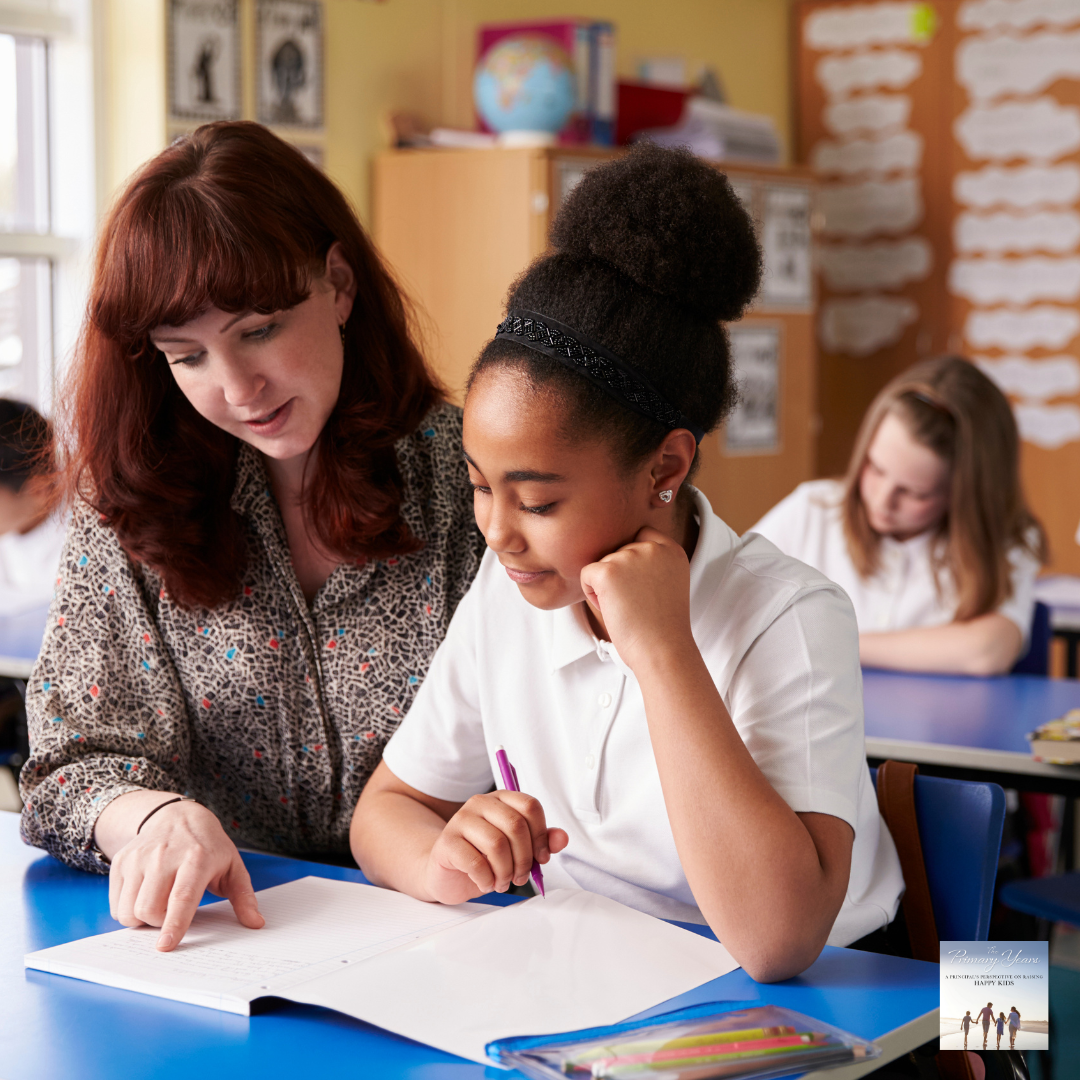
Utopia you say. To some degree yes, as everyday is not perfect and that in its own right is about finding ways as a class and as an individual student to get better in some way or to simply learn from others. Failure is a natural process accepted in those settings as a legitimate way to learn.
It is always worthwhile checking in with your child about how happy they are in their classroom. No child should feel isolated or use disengaging tactics to survive. A regular check in with your child is helpful and if necessary you can do the following to help your child feel happier and settled at school.
Always keep regular contact with the teacher. It is most important to let them know when your child is losing a sense of contentment in the classroom.
Invite your child to write about their day at school. This can be quite revealing as well.
It is also worthwhile to note if your child talks happily about their day at school. Some children are slow when questioned about their day but occasionally asking; ‘I am wondering what kind of a day you had today.”.. is reasonable.
Notice if your child is engaging with their friends well. Are they coming home to play etc? Are they regularly mentioning their names in a happy way?
Is your child showing interest in joining clubs etc. after school? This is often a sign of wanting to be included and of carrying on from engagement in the school day.
Does your child talk positively about their teachers? When children feel accepted they are often buzzing around what the teacher did that day.
Is your child quick to get up in the morning and get started for school? Reticent starts to the day can be a sign of feeling anxious about the forthcoming day.
School should be a happy place where a child feels stimulated to learn across those four levels. These include intellectual, emotional, social and physical. There is no one time where there is a complete picture of what is being learnt. There is no one assessment that can tell you everything as it is a gradual evolving exercise built around a strong encouraging environment. As a parent tap into it from time to time to ensure that for your child it is an alive and actively happy place.
‘Give the child a happy learning environment and watch how they succeed.’
-Gail J Smith

Watch out for self doubting. It can creep in slowly and stealthily
Here are some parenting tips to consider for your child to boost their self-worth and reduce self-doubting.
Now that children are back at school and getting orientated around a new school year, keep an eye out for the creeping nature of self-doubting or more destructively known as self-downing. Children are very prone to make comparisons with other children. It is natural. What is a concern is when they begin to see themselves as less worthy or less capable. They can make strong connections between their self-worth and their performance.
From an early age, we need to build a sense of self-acceptance. This is separate from performance. It is all about building a strong self-image and yes that will come with some failures and lack of success from time to time. That’s touching on building resilience which should strengthen self-acceptance.
Consider:
Be repetitive. Tell them often that they are worthwhile and outline what makes them unique.
Notice that they start to recognise that they can’t be perfect at everything and affirm that concept.‘Well done. You know how capable you are and sometimes not everything goes your way. That’s normal.’
Teach them by your own example, that making mistakes is natural. It has nothing to do with how worthwhile you are as a person. You still like and value who you are.
Show them that we all have strengths and weaknesses. It’s part of life. Let them see that we can also learn from experiences where we are a little weak. That makes us stronger and feeds into our self-worth.
I have heard of an activity where you set up a box and from time to time, write down qualities that you notice about your child. Some parents do this as a journal and at the end of each week, they talk about what the journal has to say. Children love hearing about themselves in such a way.
Watch the language. Take care not to use downing words with your child. When they hear them, that is all they hear, even though you may have thought what you had to say was helpful. Downing words are powerful destroyers of rational thinking.
When your child tells you that others have put them down, remind them that sticks and stones may break bones but they are fly-away words. Teach them to shut down when they hear such negative talk. Learning to shut down on such words reminds them that self-approval will not be interfered with by such talk. I am stronger than this!
Always keep in touch with your child’s teacher if your child is troubled by some downing at school. Teachers are very skilled at managing these issues which can become quite unsettling in classroom situations from time to time.
Listen to the conversations they have about self-acceptance. For example, if they feel they are useless because they failed a test, put it into perspective.‘OK, so this test you were not successful in but given how determined and capable you are, you can move on from this test’.
Here you are separating their sense of being worthwhile from a simple test.
When you spot examples of them talking about how they feel strong and competent, jump on it and reinforce the various aspects you notice that demonstrate their personal strength. Try not to use general words but rather be specific.‘You are so skilled in organising those games with your friends. So wonderful to be an organiser.”
In your day-to-day experiences, talk about how mistakes are natural. Just making a mistake is part of how we learn. It does not reflect who we are or suggest how vulnerable we are as people. At all times remind them that they are worthwhile and have much to offer the world.
‘The worst enemy to creativity is self-doubt.’
-Sylvia Plath

Now after Mother's Day what is there to celebrate?
Here is some post-Mother’s Day positive reminders about motherhood.
I say keep the party going by keeping your image above water.
The job of a mother is too complex to put in one sentence or paragraph. It is different for everyone and everyone will respond differently to being a mother. I believe there are some important thoughts you need to keep in mind as you enter the post-Mother’s Day period.

You are human and this means you are allowed to make mistakes. In fact, your child will see the real you by being authentic. That’s all they want anyway.
Being positive with your child all the time is hard work, so if you need a break from being a mum for a short while, take it. In the longer run, you will feel better and be happier. More content women make better mums.
Don’t be too hard on yourself when the day doesn't work out the way you wanted it to. Sometimes, our children will be disappointed and that’s OK. They need to see and learn about the real world, that it doesn’t entirely revolve around them!
Plan each day with yourself included. This could be just a short walk or sipping tea on your own. You have a right to feel content throughout the day.
Remember that you don't have to do everything around the house. The more independent you make your children by giving them jobs, the better they will develop independent skills.
Friends and chats have a great healing capacity. Make sure you allow personal time for chats with good friends throughout the week.
Little treats help to keep up the spirits. Discover a treat that makes you feel good and build it in occasionally. Don’t feel guilty. Children need to see that you need nurturing as well.
Remember that you are working hard to be the best mum. That means that you don’t need to knock yourself out all the time to prove it. Slow and steady nurturing parenting does the job. In the longer term, this is what is remembered and valued.
Your child loves you for who you are. You don't need to keep justifying why you do the things you do, this can get very tiring. Just be content that you are a work in progress as a great mum. That’s good enough.
Finally, keep up your dignity. Tired mums often feel lowly about themselves. A little lipstick and powder and the right t-shirt can lift the spirits for the day.
Happy Mother’s Year 2023-2024.

Watch out for the impostor syndrome that can creep up slowly
Impostor syndrome is commonly seen in adults and children. Here are a few parenting tips that can assist you to reduce your child’s feelings of insecurity.
Have you ever felt that you were just not worthy of rewards or that you felt that people had misjudged you or that you weren’t as capable as people thought. Perhaps somebody else should have your position? Beware, this is called the impostor syndrome. This is where we tend to believe that we are fooling others and rising above our status and capabilities. It can be one of those syndromes that can start early and I have seen, in some children, a lack of willingness to take awards, or put themselves first, because they thought others were more worthy. A child can start to develop stepping back approach to and not expecting to be chosen because of their feeling of unworthiness.
Let us consider how we can ensure that our children reduce their feelings of insecurity:

Always try to reinforce with them why they have succeeded. In this way you are being specific about their achievements. They are real and clearly being stated “Well done. You won that award because you can run so fast. It is a great skill of yours.”
Encourage your child to put their names forward for all types of events and opportunities. Explain that better to be in the race than not.
Talk about how you cope with feelings that others deserve it more than you. Perhaps you have had times when you were reluctant to put yourself forward. How did you handle it?
Having knowledge that you are capable and that there are good reasons why you should be chosen is a key to being on top of this problem.
Reinforce regularly to your children that we all have some fear about taking on new steps but that they are worthy and that they should feel proud of all their achievements.
Sometimes it’s worth just listing all the capabilities your child demonstrates. Sometimes seeing it gives a strong message of their sense of worth.
Talk to your child’s teacher and ask if there are any signs that your child is choosing to stand back from being chosen or is reluctant to put up their hands. Teachers are very good at bringing children into the scene and ensuring that their engagement in the class is full and healthy. The classroom is an especially important space for your child to feel strong and confident in themselves amongst their peers. So much of this impostor syndrome is about you feeling less worthy than others.
Try to avoid put downs to your child. These are sure fired ways of making them feel less worthy. Words stick and can be remembered for a long time.
Take care not to rush to negative talk when a situation develops. Here we are trying to encourage our children not to immediately focus on the negative. When a tricky situation occurs think about the positive first. Be drawn to thinking about good outcomes before honing in on the negative.
Finally, we all can suffer from being a little nervous but here we are trying to ensure that our children do not become conditioned to stepping back and feeling less worthy than others. A healthy dose of personal confidence and feeling of worthiness is what we seek for our children. It is a very healthy disposition to like yourself and feel achievable and worthy.
‘Love isn’t something you have to deserve.’
-Jennifer Echols

Learn to have some fun
Laughter and fun are the key ingredients for a happy, healthy life. Read more for some ways you and your child can have fun!
There is not a lot written about the value of being happy but we know that there are some wonderful psychological advantages to just having fun. Here I make the distinction to humour. Within fun we can have a lot of humour. It is present when we become excited or find something that makes us feel good.
Teachers know that when an element of spontaneous fun is included in their day or week, the mood and temper of the children increases tenfold. Many teachers would also say that the presence of fun builds trust with children. A child feels secure when they see their teacher relax and display a happy spontaneous style in the classroom. There is something honest and healthy about simply having some fun.
Let’s think about the value of having fun with your child:
When you have fun together, you show your child that there is a child in you, the adult. Bringing back the child in you is a positive life-giving thing.
We are always trying to be in control. It is a massive driver for us as responsible parents. How about letting go sometimes and simply have some spontaneous unplanned fun with your child. It could last five minutes or much longer. It does not make you a less reliable, organised person, but it shows your child that having fun is alive in you.
By having fun together you are bringing yourself to the same level as your child. This is quite a moment for both of you to share.
Children will remember the fun times. Nobody wants to remember the serious times. They simply bring you down. However, being a fun-loving parent is memorable.
To be an effective adult, one must also understand the lighter side of being human. We need to have fun as well and we need to show our children how we enjoy it. It is a well-being component built into our DNA.
Fun can be any form of having a wonderful time together. Let it be spontaneous, which may take you away from routine and schedules sometimes. It can be a short sharp moment of fun. If you look around it is not hard to see the fun side of so much of life. Point it out to your child.
We often talk about how important it is to play with your child. Similarly, it is important for developing good mental health that you simply have fun. It can only bring out the best in you and there are no boundaries there with your child. It can serve as a quick pick me up when moodiness is around and it can lighten the spirit when feelings of sadness are prevailing around our children.
Try to build in a bit of fun over the week. It could be as simple as tickling on the couch, throwing pillars around the room or blowing bubbles through your drink. No one said it has to be sensible.
‘Let go of preconceived notions and prejudices. Expect surprises. Expect miracles’
-Michael Joseph