
Simple suggestions to help build empathy and kindness in your child
Read the blog to find out how to build empathy and compassion in your child.

The difference you can make in how you teach and model empathy and kindness is amazing. See it as a way of life that is common practice in your family.
Be a good example: Show kindness and caring by helping others, like sharing toys with a sibling or comforting a friend who is sad.
Understand how others feel: Imagine how someone else might feel in a situation. For example, think about how a friend might feel if they didn't get invited to a party. Are you inclusive when you send out invitations? Share your feelings: Talk about your own emotions and encourage your child to express their feelings too. Let them know it's okay to feel happy, sad, or angry.
Listen and pay attention: When your child talks, give them your full attention. Show that you care about what they say by looking at them and responding kindly.
Do kind things for others: Encourage your child to do nice things, like saying "thank you" to their teacher or helping a classmate with a task.
Learn about different cultures: Read books or watch shows that teach about different ways of life. Talk about the traditions and customs of other cultures.
Solve problems without fighting: Help your child find solutions when they have a disagreement. Encourage them to listen to others, find common ground, and work things out peacefully. Teach them the powers of negotiation.
Talk about real-life examples: Have conversations about news stories or events that involve kindness and helping others. Discuss how they can make a positive difference too.
Stay positive: Encourage your child to see the good in people and situations. Talk about happy news or share stories of people being kind to each other.
Say "thank you" and be grateful: Teach your child to appreciate what they have and show gratitude. Encourage them to say "thank you" and be thankful for acts of kindness.
Help others in need: Encourage your child to lend a helping hand to those who need it. They can assist an elderly neighbour with carrying groceries, offer to walk a friend's dog when they're busy, or help a classmate with their schoolwork. Teach them how to notice where there is a need.
Apologise and forgive: Teach your child the importance of apologising when they have hurt someone's feelings. For example, if they accidentally break a friend's toy, guide them to say sorry and find a way to make amends. Also, encourage them to forgive others when they receive apologies, promoting empathy and understanding. Talk about what reconciliation is all about.
Stand up against bullying: Teach your child to be kind and compassionate by speaking up against bullying. Encourage them to support classmates who are being treated unkindly, be a friend to someone who is feeling left out, or report bullying incidents to a trusted adult.
These ideas give some suggestions as to how to build empathy and compassion in your child. Be spontaneous and look for occasions where you can build their awareness and sensitivity to others and the world around them.
‘A smile can brighten someone’s day and enlighten their spirits.
- Gail J Smith

Six ideas to help children focus on learning rather than just completing work
Here are six different ways to promote deeper learning.

Encourage Curiosity: Be spontaneous and look for occasions to be curious. Foster a sense of curiosity and exploration in your child. Encourage them to ask questions, seek answers, and dig deeper into topics that interest them. For example, if your child is learning about space, you can encourage them to research and discover more about specific planets or space missions.
Promote Project-Based Learning: Encourage your child to engage in project-based learning, where they can apply their knowledge and skills to real-world scenarios. The more they engage in real life activities the quicker they learn. This can involve working on hands-on projects, conducting experiments, or creating presentations. For instance, if your child is learning about endangered animals, they could create a poster or a short video highlighting the importance of conservation. Help them with ideas and share in their work.
Connect Learning to Real Life: Help your child understand how what they are learning in school is relevant to their everyday life. If they are learning about fractions, you can involve them in cooking or baking activities where they need to use fractions to measure ingredients.
Encourage Reflection and Discussion: Create opportunities for your child to reflect on what they have learned and engage in discussions regularly. This can be done through regular conversations about their school day or specific topics they are studying. Ask open-ended questions and listen actively to their responses. For instance, after reading a book, ask them about their favourite part or what they learned from the story. Watching the news together can be a stimulating time to reflect together on wide topics.
Incorporate Technology and Educational Resources: Utilise educational apps, online resources, and interactive platforms to enhance your child's learning experience. There are numerous educational websites, interactive games, and educational videos available that can make learning more engaging and interactive. For example, you can use educational apps that provide interactive quizzes or virtual simulations related to their subjects.
Foster a Love for Reading: Encourage your child to develop a love for reading by providing access to a variety of books and materials that connect with their interests. Take regular trips to the library, set aside dedicated reading time, and discuss books together. Reading not only enhances their knowledge but also promotes critical thinking and imagination.
You can help your child develop a deeper love for learning and an inquiring approach to life by supporting them in some of the above ways. You are an ideal partner in developing and sharing their love and passion for knowledge.
‘Show your child how passionate you are about learning and watch how that passion rubs off!’
-Gail J Smith

Navigating the Emotional Roller coaster: Supporting Parents with Children at School
For some children, school can be challenging on many different levels. This blog aims to provide emotional support and practical strategies for parents to navigate the ups and downs of their children's school lives.
The journey of parenting can be a roller coaster of emotions, especially when it comes to supporting your children's experiences at school. As parents, we all want the best for our kids and wish to see them thrive in their academic and social lives. However, it is not uncommon to encounter various challenges that may leave us feeling overwhelmed, stressed, or even helpless.
This blog aims to provide emotional support and practical strategies for parents to navigate the ups and downs of their children's school lives. For some children and parents school can be a very challenging environment on many levels.
Understanding the Emotional Landscape of School Life:

Embrace the joy of seeing your child explore and learn new things at school, even though it may come with challenges like stress and anxiety.
Celebrate your child's bravery as they face peer pressure and academic demands, knowing that they will grow stronger through these experiences.
Remember, it's okay to feel a mix of emotions as a parent – from worry to pride – it shows how much you care about your child's well-being and success.
Effective Communication with Your Child:
Share laughter and light-hearted moments with your child when talking about their school life. A good sense of humour can bridge any communication gaps.
Rejoice in being a trusted confidante for your child, where they can freely share their frustrations and feelings about school.
Cherish those spontaneous moments when your child needs you, knowing that your attentive presence helps them navigate through their challenges.
Building Resilience in Your Child:
Celebrate your child's growth mindset and the positive attitude they develop towards learning and setbacks. Their resilience will lead them to greater achievements.
Embrace the joy of teaching your child coping skills like yoga, mindfulness, or deep breathing, knowing you're giving them valuable tools for life.
Witness the strength and resilience your child exhibits when facing stress and anxiety, and be proud of their ability to overcome obstacles.
Dealing with Academic Pressures:
Take pride in your child's efforts and progress, letting them know that their hard work is appreciated regardless of the outcome.
Find joy in striking a balance between supporting your child's academics and allowing them to grow independently, fostering their self-confidence.
Celebrate each step of improvement and acknowledge your child's accomplishments, boosting their self-esteem along the way.
Handling Social and Peer-Related Issues:
Find joy in being your child's pillar of support during friendship struggles, knowing you play a crucial role in their social development.
Celebrate the moments when your child shows empathy and inclusiveness, as they cultivate healthy social skills and create meaningful friendships.
Rejoice in the close connections you build with other parents and the valuable support network that helps normalize your concerns.
Coping with Transitions:
Treasure the joy of witnessing your child navigate significant transitions, like starting school or changing schools, and seeing them grow in adaptability.
Celebrate the milestones and graduations in your child's life, knowing that you've been there for them during every step of the journey.
Self-Care for Parents:
Embrace the joy of prioritising self-care, as it not only benefits you but also positively influences your child's emotional well-being.
Take pride in practicing self-care strategies that make you feel good and rejuvenated, allowing you to be the best version of yourself for your child.
Celebrate the moments when you find peace and balance in your life, it sets a positive example for your child's self-care habits.
Connecting with Other Parents and Support Networks:
Rejoice in the joy of finding a supportive network of fellow parents, where you can share experiences and find comfort in knowing you're not alone.
Celebrate the benefits of seeking professional support when needed, it shows your dedication to being the best parent you can be.
Parenting is a beautiful journey filled with ups and downs, and by embracing the joy of supporting your child emotionally through their school years, you create a nurturing environment for them to flourish and grow into confident, resilient individuals.
‘As your child grows and changes, you too grow and change as a parent. Embrace it.’
-Gail J Smith

Time to remind yourself that being a parent is a wonderful experience
A reminder to cherish the wonders of being a parent.
Unconditional Love: Being a parent allows you to experience a deep and unconditional love for your child. Something unique and special develops between you and the child. It is precious. It is irreplaceable. You own it.

Example: Seeing your child's smiling face when they wake up in the morning or hearing their laughter when you play together fills your heart with pure joy.
Milestone Moments: As a parent, you get to witness and celebrate numerous milestone moments in your child's life. You are part of it and you can take pride in all your contributions over the years. Each achievement becomes a source of immense pride and happiness.
Example: Capturing the moment when your child takes their first step or saying their first words creates memories that you'll cherish forever.
Sense of Purpose: Parenting gives you a strong sense of purpose and meaning. Nurturing and guiding a child through life's challenges allows you to make a positive impact and shape their future.
Example: Knowing that you are raising a compassionate, kind, and responsible individual who will contribute positively to society, fills you with a sense of purpose and fulfilment.
Having a child in your life reignites the wonders of life through a child’s eyes. It awakens in us the child we were and it invites us to share in simple joys and pleasures. It clears the cobwebs that can develop as we plough through our adult life.
Example: Watching your child marvel at a rainbow or discover the beauty of a butterfly can remind you of the wonders that often go unnoticed in the hustle and bustle of adult life. They awaken in you the child and that is liberating.
Learning and Growing Together: Parenthood offers continuous opportunities for personal growth and learning. As you navigate the challenges and joys of raising a child, you gain valuable insights, patience, and resilience. Having another individual in your life that relies on you, needs care and understanding will demand from you your absolute attention. There is no escaping building tolerance, understanding, empathy etc.
Example: Overcoming sleepless nights, mastering the art of multitasking, and learning to be patient during tantrums are all experiences that help you grow and become a better version of yourself.
Emotional Satisfaction: Parenting brings immense emotional fulfilment. The love, laughter, and moments of connection you share with your child create a deep sense of happiness and contentment. How emotionally satisfying it is to see yourself in your child.
Example: Embracing your child in a warm hug after a long day or hearing them say, "I love you, Mom/Dad," can instantly fill your heart with overwhelming joy and gratitude. Enjoy those special little moments. They come spontaneously and frequently.
Creating Life Memories: Being a parent allows you to create lasting memories that you and your child will cherish throughout your lives. From family vacations to everyday adventures, these moments become the foundation of a lifetime of shared experiences.
Example: Going on a family road trip and exploring new places together, or even simple activities like baking cakes and having picnics in the park, become treasured memories that you can reminisce about in the future.
Building Strong Bonds: Parenthood enables you to build deep and lasting bonds with your child. The connection you form with them becomes an unbreakable bond that provides a source of strength, love, and support. You take them from dependence to independence and you build foundations that are unique to you and your child.
Example: Sharing quality time with your child, engaging in conversations, and being there for them during both good and challenging times strengthen your relationship and create a lifelong connection.
The journey you share with your child is likened to weaving a tapestry. There will be various shades that brighten and darken the work. Sometimes the weave will be thick and full of texture, and other times lighter and softly woven. It builds into a magical imagery of your life shared with your child that has been created lovingly over the years.
‘We never know the love of a parent till we become parents ourselves.’
-Henry Ward Beecher

Nurturing Emotional Intelligence in Children: Emphasising Emotional Care
Parenting tips on how to emotionally care for and support your child to help nurture their emotional intelligence.
As a parent, your emotional world has a profound impact on your child's emotional intelligence. By providing emotional care and support, you can help your child develop stable, consistent, patient, and reliable emotional skills, enabling them to navigate the world with greater understanding and empathy.

Here are some practical suggestions to help nurture your child's emotional intelligence:
Teach Emotional Literacy: Use age-appropriate language and concepts to help your child identify and understand their emotions. Engage in activities such as using emotion charts, role-playing scenarios, or storytelling to encourage your child to express and recognize their feelings effectively.
Cultivate Mindfulness: Introduce mindfulness practices to your child, such as deep breathing exercises or guided meditation. Encourage them to appreciate the present moment and help them incorporate mindfulness into their daily routine. For example, you can have a mindful minute together before starting a new task or enjoy a brief morning run, appreciating nature and its surroundings.
Foster Social-Emotional Learning: Encourage your child to learn valuable lessons from their everyday social experiences. Teach them to consider different perspectives, be open to others' opinions, and practice inclusivity in their thoughts and actions. Engage in meaningful discussions about their interactions, to help them develop empathy and understanding towards others.
Promote Empathy-Building Activities: Share ideas for activities that promote empathy, such as engaging in perspective-taking exercises, participating in community volunteering, or collaborating on group projects. Discuss how these activities can help your child understand different viewpoints and develop compassion for others. Consider joining a group or organisation together to reinforce the value of empathy and caring for others.
Teach Conflict Resolution Skills: Guide your child in resolving conflicts peacefully and constructively. Encourage active listening, compromise, and problem-solving discussions when conflicts arise, such as those between siblings. Use these moments as opportunities to practice simple conflict resolution techniques, helping your child develop valuable skills in managing disagreements.
Be a Positive Role Model: Serve as an influential adult who models emotional intelligence for your child. Demonstrate empathy, self-control, and effective communication in your interactions with others. Be mindful of your own emotional responses and provide a supportive, nurturing environment that encourages your child's emotional growth.
Remember, nurturing emotional intelligence is a gradual process that requires emotional care, patience, and wisdom from caring parents. By exposing your child to emotionally mature adults and providing a safe and loving environment, you empower them to interpret the world with greater empathy, understanding, and resilience. Hence they become more emotionally mature.
‘Children are not things to be molded, but are people to be unfolded.’
- Jess Lair

Nine Proactive Strategies for Fostering Mental Health in Children
Here are nine ways to foster and sustain your child’s mental health and well-being.
Promoting mental health in children is of utmost importance, particularly in our current world.
Here are several insightful strategies that can be employed to nurture and sustain mental well-being in our young ones:

Demonstrate Positive Emotions: Being a consistent source of happiness and positivity around your child is critical. Let your joy radiate visibly, providing them with a secure feeling that everything is alright. Your smile can serve as a comforting reassurance.
Encourage Physical Activity: Exercise is known to boost mood and overall well-being. Engage in regular physical activities with your child and make it a family routine. This not only benefits their physical health but also their mental state.
Cultivate a Love for Music: Music has a profound impact on our emotions and can uplift the spirit. Incorporate a variety of music into your family life, utilising it as a background score to your everyday activities. This creates an ambience of positivity and serves as an effective stress reliever.
Foster Positive Associations: Direct your child's attention to the good things happening around them. Discuss amusing anecdotes, talk about jovial and optimistic individuals you know, and celebrate the positive aspects of life.
Promote Generosity: Demonstrate to your child the power of giving. Instilling a sense of generosity can enhance their mental well-being and give them a broader perspective on life. You can exemplify this through simple actions like donating toys they've outgrown.
Encourage Proper Rest: Adequate sleep is crucial for a child's mental and physical health. It helps their brain process the day's activities and sets them up for optimal performance the next day.
Teach Healthy Recreation: Equip them with various recreational activities like sports, reading, or simply relaxing. These pursuits can help them carve out mental space for themselves when needed. Your role modelling in this area is vital.
Cultivate a Sense of Humour: Encourage them to appreciate the lighter side of life. Too often we focus on the negatives or the potential risks, but teaching them to find humour can provide them with a more balanced view of life.
Nurture Social Relationships: Facilitate the presence of your child's friends in their lives. Friendships play a significant role in their social development, and your active involvement in fostering these relationships can be highly beneficial.
Above all, it's crucial to create an environment where positivity thrives, life is cherished, and the world is perceived as a beautiful place to live. By being such a parent, you can positively shape your child's outlook and foster their mental health.
‘Life is always better with a smile on your face’
- Gail J Smith

How many battles do you need to win?
This blog discusses the theme of picking your battles with your children wisely.
In the business of the week and with all sorts of family issues to address, the question is how many battles with your child do you want to win?
Perhaps the better question is, how many battles do you need to win to keep stability and balance in the home and to remain sane? Teachers are quite clever at picking their battles in the classroom. They recognise that some issues should simply be left alone. They have a way of taking care of themselves. Other issues can be dealt with at an appropriate time and some may need immediate action. The skill comes in recognising the issues that need addressing and why you, the teacher are concerned about them.
There are several factors that drive our motivation to deal with taking on battles with our children. These include:

Tiredness.
Preoccupation.
Busy times.
Focusing on what presses your buttons.
Irritability.
Opinions of others about your parenting.
Wanting to always win.
Frightened to be out of control as the parent.
What we need to do as parents is take a step back and when an issue has come up, try to reflect on how important is it to resolve.
Is now the best time to deal with it?
Are we in the best framework to manage the situation?
Is it an important issue?
If you are questioning whether you want to deal with the issue, this is an excellent way to start reflecting on how, when and if necessary you will deal with it.
Here I say:
Be confident that you will make the best decision of how to deal with it. After all you are now giving it some thought!
Allowing time to reflect slows down some anxious thoughts and makes the situation less heated.
You will evaluate the worth of going into battle if you simply stop and think about it.
It is always important to evaluate why you are angry and this should guide you in the best response. What is driving your anger is an important and often revealing thought to explore.
Finally, our children challenge us in many ways. We are definitely challenged by simply choosing how we respond to those situations. Our response will dictate how our relationship keeps developing.
‘Perfect parents exist but they do not yet have children.’
-Unknown

Practical Ways to Nurture Learning: A Guide for Busy Parents
Parenting can be demanding, including learning in your child's daily life doesn't have to be a struggle.
Parenting can be demanding, but incorporating learning into your child's daily life doesn't have to be an uphill struggle.
Here are some hands-on steps with accompanying examples to make the process easier and more enjoyable:

Establish Routines: Life's rhythm can simplify many things. Set up routines like breakfast time, homework hour, and bedtime rituals. For example, an after-school routine could involve a snack, a break, homework time, and then free play.
2. Promote Positive Conversations: Maintain an encouraging dialogue about their school work. For instance, instead of concentrating on scores, discuss what they found exciting in their science project or history lesson.
3. Utilise Incidental Learning: A casual chat during a car ride about how engines work or a discussion about photosynthesis while gardening can lead to learning moments.
4. Optimise Lighting: A well-lit space enhances productivity. Ensure their study area has plenty of natural light during the day and an effective lamp for evening studies.
5. Encourage Physical Activity: Play games that require movement, like a family soccer match. This balance ensures they're not stuck in front of screens all day.
6. Initiate Engaging Conversations: Find topics they're interested in and discuss them. If your child loves space, for example, a dinner conversation might revolve around recent Mars missions.
7. Celebrate Their Passions: Even if your child's fascination with drumming seems noisy, support them. Set 'drumming hours' to manage the noise and encourage their passion.
8. Express Confidence in Them: Show excitement for what excites them. Your positive reactions, especially when they master a challenging task like a tough math problem, can do wonders for their confidence.
9. Nurture a Reading Culture: Fill your home with varied reading materials. Leave books in their room, the living room, even in the kitchen. A family reading hour can be a fantastic daily habit.
10. Foster Independence: Allow them to make choices, whether it's picking their outfit or deciding the weekend meal. This autonomy builds their confidence and decision-making skills.
11. Model Positivity and Problem-Solving: Maintain a positive attitude and frame challenges as solvable problems. If a favourite toy gets lost, turn it into a fun detective game to find it.
12. Personalised Learning: Tie their tasks to their interests. If your child is a football fan, use the sport to teach concepts such as angles and speed, or percentages by analysing player statistics.
Remember, every child learns differently. Embrace the diversity of experiences as learning opportunities and stay spontaneous. As Leonardo Da Vinci aptly put it, 'Learning never exhausts the mind.' This approach fosters a lifelong love of learning in your child.

Talking positively to your child makes all the difference.
This blog explores why your communication style is so important to your child and tips to consider.
Engaging positively with your child can have a transformative effect. The manner in which you converse with your child significantly influences their communication style and their receptiveness to you.
Bear in mind the following:

Show genuine interest and engagement when they speak. Treat these moments as invaluable opportunities for them to convey their thoughts to you.
Employ a gentle and soothing tone of voice. Harsh tones not only discourage attentive listening, but also inadvertently convey negativity. Strive to soften your voice, even when discipline becomes challenging.
Your child is more inclined to listen attentively and emulate good speech habits if they consistently hear a pleasant and comfortable tone from you. They will reciprocate the same respectful way of speaking if it's consistently modelled for them.
Consider the power of respectful speech. Using a gentle tone makes the conversation more engaging for everyone involved, fostering an atmosphere of respect.
Pay attention to your choice of words. Could your language be improved to express ideas more effectively? Implementing a rich vocabulary can be an excellent tool for enhancing communication.
Why speaking well to children is important.
1. Boosts Self-Esteem: Children often view themselves through the lens of their parents' comments and reactions. Speaking positively and constructively helps build their self-esteem and self-confidence, shaping a more positive self-image.
2. Improves Cognitive Development: Language-rich interactions can enhance children's cognitive development. Varied and complex vocabulary can stimulate their brain, encouraging them to learn and understand new words and concepts.
3. Promotes Healthy Relationships: Effective and respectful communication sets the groundwork for building strong, healthy relationships. By speaking well to your child, you're teaching them the importance of clear, kind, and respectful communication, a skill that will benefit them in all their future relationships.

Helping the shy, less confident child
For some children, finding their confidence can be a challenge. Here are some ways to build your child’s stamina in this area.

For some of our children, finding the confidence to speak up is a hard process. In fact, it can become quite a habit to sit back, observe others and have no expectations of putting yourself forward in a group situation. The confident, more dominant personality, will take centre stage and the quieter child will become the audience. There are some strategies you can use to help build a child’s stamina in this area.
Consider:
If you are a louder, more prominent personality, try to tone it down around your child. They will step back and not engage as effectively if they feel that you are taking over.
If there are other more confident siblings around, make sure that your quiet child gets their voice heard. Perhaps at dinner time, everyone takes turns to talk about their day.
Reassure with plenty of ‘I’ statements. ‘I like it when you tell me what happened.’ ‘I am so happy to hear that story.’ ‘Well done. That is a great idea. Tell me more.’
Choose your words carefully and avoid harsh criticism. This is such a setback for a less confident child. They remember all the negative words.
Giving them more independence builds their self-confidence. Start doing things for them but pull back and let them finish the tasks.
Exercise listening more to what they have to say. This will affirm their worth. Give excellent eye contact and undisturbed attention when they talk. Choose a special time on your own to have those chats.
Talking in front of groups can be difficult. Invite them to practise in front of the family, talk about their hobbies etc.
Joining extracurricular activities means they will need to engage with others. Being a team member means committing to collaboration and engagement with others. Learning an instrument means presenting in front of people. It all helps.
Encourage friendships. Having a friend requires effort and commitment.
Remember when you praise be specific. ‘I was so impressed with how you spoke to your friend who was upset. You were so sympathetic.’
Use open-ended questions. This gives them scope to answer expressively. ‘Tell me about the project?’ ‘What have you learnt at basketball training today?” We don’t want ‘yes, no’ answers.
Surprisingly shy children act out in plays very well. In fact, they enjoy taking on another character. Encourage joining a drama group or simply dress up and reenact fairy tales at home. Home can become a great uninhibited theatre for the whole family. Perhaps your child can act out what happened at school that day.
Reading stories out loud to the whole family is helpful. How about a family novel where each child reads a small section after dinner?
When you hear of some lack of confidence they display with regard to something at school, encourage them to set little goals to work on the issue. Then praise them for their efforts.
Set realistic expectations at home. They want to please you and if they succeed they feel so much more secure in themselves.
Play often with your child. This helps with building positive self-talk. They feel confident and happy to plough through the play and learn more about themselves.
Little by little your shy, less confident child can become quite a strong, capable personality over time. Slow, steady encouragement while at the same time respecting their emotional and social stage of development is the best way forward.
‘Believe you can and you’re halfway there.”
-Theodore Roosevelt

Keeping perspective on what is important
Time goes so quickly with children, here are a few reminders to cherish the smaller moments.
Time goes so quickly with children. One minute they are a helpless infant and then the terrible two-year-old and then the sweet five-year-old ready for school. We cannot keep tabs on every moment, but we can try to reflect a little more deeply on just simply enjoying some moments, especially those that tell us more about our child.
I always remember how quickly a year went in a classroom. There were some precious moments with the children that you try and keep in your memory banks. Time can so easily diminish those memories.
This blog is inviting you to value those special moments as they will be those lasting and important memories going into your future. Do you remember when your child first walked? Perhaps you have a wonderful memory of them smiling at you for the first time. These special moments will become the fabric of your memories over the years. It is important to recognise that they have value and you need to look for those moments that are unique and special to you and your child. Their uniqueness makes them memorable.
Consider:

The more you identify those special moments, the greater appreciation you have for your child’s development. You begin to notice so much more of their subtle aspects of growth.
Each day, find something special that you notice about your child. Think about it and look for occasions when it is evident.
Talk about those special moments to others. There is nothing more reinforcing than having conversations about those moments you cherished.
Keep it simple. The very best moment can be found in the simplest of situations.
Find humour in what your child does during the day. Try to avoid getting frustrated by their actions. In some cases, there can be quite delightful moments in seemingly difficult situations.
If you see your child in a positive light, you will easily see those special moments in your child. They are not difficult to find.
Sometimes saying nothing and just watching your child interacting with play or with others can give you such satisfaction.
Some parents keep a journal of those special moments and enjoy going back over them through the years.
Opportunities will pass you by if you are rushing through life. Each moment has its own merit and we often are too focused on what lies ahead and what we must do to get there.
Never underestimate the value of that special moment that you are feeling with your child. It is precious and unique to you. Learn to look all around in odd places to find that moment.
If you haven’t found that special moment for a while, take some time to slow down and just enjoy your child for a little while. That moment will come.
Finally, because life is on the move all the time, freeze frame some moments to store for your future reflection of your child.
‘Sometimes you will never know the value of a moment until it becomes a memory.’
-Dr. Seuss

A happy classroom is a healthy place in which to learn
A classroom is a happy place where learning happens. Here are some ways to help your child with feeling happier and settled at school.
Children learn best when they are happy. We know that their learning involves a medley of cognitive, social, emotional and physical growth to make it all happen. However, the greatest catalyst for stimulating all those factors comes from a happy and emotionally sound classroom environment.
We know that if a child feels secure in these spaces, they are not questioning whether they are liked or valued, they are not looking over their shoulder to see if their peers are questioning what they have to say. Spontaneously and creatively they will question out loud and have a go at all types of problem-solving unafraid that getting something wrong matters. Such a utopia is certainly driven by high-quality teaching and it requires the skill of a teacher to make all children feel safe and welcome.
We know that to be an effective learner in any of those four areas as mentioned, you must be prepared to question, to probe and to feel comfortable to be yourself amongst all the others in the classroom.
Such a classroom is a hive of industry where children lay out their strengths and weaknesses and look to others to support their needs and together everyone collaborates and engages. This culture is a learning environment where success is inevitable.

Utopia you say. To some degree yes, as everyday is not perfect and that in its own right is about finding ways as a class and as an individual student to get better in some way or to simply learn from others. Failure is a natural process accepted in those settings as a legitimate way to learn.
It is always worthwhile checking in with your child about how happy they are in their classroom. No child should feel isolated or use disengaging tactics to survive. A regular check in with your child is helpful and if necessary you can do the following to help your child feel happier and settled at school.
Always keep regular contact with the teacher. It is most important to let them know when your child is losing a sense of contentment in the classroom.
Invite your child to write about their day at school. This can be quite revealing as well.
It is also worthwhile to note if your child talks happily about their day at school. Some children are slow when questioned about their day but occasionally asking; ‘I am wondering what kind of a day you had today.”.. is reasonable.
Notice if your child is engaging with their friends well. Are they coming home to play etc? Are they regularly mentioning their names in a happy way?
Is your child showing interest in joining clubs etc. after school? This is often a sign of wanting to be included and of carrying on from engagement in the school day.
Does your child talk positively about their teachers? When children feel accepted they are often buzzing around what the teacher did that day.
Is your child quick to get up in the morning and get started for school? Reticent starts to the day can be a sign of feeling anxious about the forthcoming day.
School should be a happy place where a child feels stimulated to learn across those four levels. These include intellectual, emotional, social and physical. There is no one time where there is a complete picture of what is being learnt. There is no one assessment that can tell you everything as it is a gradual evolving exercise built around a strong encouraging environment. As a parent tap into it from time to time to ensure that for your child it is an alive and actively happy place.
‘Give the child a happy learning environment and watch how they succeed.’
-Gail J Smith

Help your child improve their mental capacity
Read for some parenting tips that can help your child improve their mental capacity.

We can do many things to help our child improve their mental capacity. Some of them are very simple and are already in place. However, each day in different ways, we can keep building that capacity by challenging them across different formats.
All children need adequate sleep. The rest they get will influence how they operate the next day. Teachers will tell you the difference it makes when a child comes to school having not slept well. Their learning capacity is considerably down and their mood and temperament makes them have quite a sluggish and dull day.
Teach your child different ways to self-regulate. This is all about being self-disciplined and emotionally capable of controlling themselves. In the home, there are many ways in which your child can be disciplined and together work on their ability to manage themselves, show independence and take ownership of jobs and duties around the house. Your patience and tolerance are needed here.
Play games with your child. Read with them and challenge each other through board games. All this is about building mental capacity and teaching them to work on problem-solving and healthy competition. Let them see that you enjoy problem-solving with them.
Conversations at home should be open and as positive as possible. Give your child plenty of room to talk and tell their story. Be an effective listener so they feel that they are taken seriously. Having family discussions and debates stimulates their thinking and encourages healthy dialogue. Allow them to be confident in what they have to say.
Challenge them through problem-solving of all sorts. This could be driving in the car and searching for addresses. It could be working through a recipe, fixing broken toys, building Lego shapes etc. When you see an opportunity for them to problem solve, invite them to have a go. Look to them for assistance in solving the problem. Let them know that you work through the solution together.
When they ask questions throw the concept back with another question:‘You want to know why that lid doesn't open? Have you seen other jars like that before?’ It’s all about posing inquiring questions that make them think through solutions themselves. Let them accept that you will not always give them the answer.
Laugh a lot and enjoy the jokes that you share with each other. Developing a sense of humour also enlightens the mental capacity to see the world from a different perspective. The world is not always black and white.
Do crosswords together. Perhaps a jigsaw or have an ongoing game of Scrabble on the table. Keep them working on thinking through the process.
When school problems arise, especially with friends, talk through possible solutions that can be managed by your child. Let them see that you expect them to have an idea of how best to solve it. Emotional challenges are sometimes difficult for children but mentally, they need to work through the process as best they can. The more they can regulate their emotional responses, the stronger their mental capacity.
Teaching gratitude in your child is also a strengthening mental process. People that show and demonstrate gratitude have a stronger mental approach to life.
Finally, there are many and varied ways to strengthen a child’s mental capacity. Just be the catalyst that presents challenges and doesn't always offer the solution. Value what contributions they make. After a while, the child takes more ownership of themselves and feels mentally safer and confident.
‘Be the catalyst to a healthy mental approach for your child.’
-Gail J Smith

Keep our children active and physical
This article is a reminder of the importance of keeping our children active daily.
We are often focused on developing our intelligence which involves social, emotional and cognitive skills. What we need to keep in mind is that physical activity connects very much to our developing mindset and that children need to keep working on their physical development throughout their lives. In some cases, this is not difficult, as many children demand to be active and commit to different sports etc. very early in their life. There are of course some children who are reticent to be active and participate in team sports which are so beneficial for them on a range of levels.
There is considerable evidence that mental well-being is improved through physical activity. The synchronicity of mind and body is critical to good mental health. Who doesn’t really feel good when they are not physically active and moving well? Learning involves the brain, the body and the soul. At any age, physical activity helps us grow and feel so much better in ourselves. We learn better, we think better and we act better when we are more active.
This article is to remind us of the importance of keeping our children active and invigorating their days with movement of some sort.
Consider:

When a child joins a sporting team, they gain immense skills in socially engaging with others, learning to be a team member and working in a collaborative manner under pressure.
Keep your child regularly active. Consider joining them daily with a bike ride or just a walk around the park. The habit is a powerful reminder of what will make a difference to them in the long run.
Use your backyard. Put up a basketball ring, a bounce set etc. Let them use all their domestic spaces to exercise and feel free.
Talk about physical fitness frequently. Chat about heroes that work to keep fit.
Set up routines with physical fitness for the family. It might be weekly bike rides or walks in parks. Develop a pattern where your children think that routine fitness is a family affair and one that is important to you.
We often find after exercise that we are mentally more alert and keen to take on the challenges of the day. Choose the best time of the day for family exercise. Timing is everything in this matter.
School has excellent opportunities for children to join various sporting teams. Encourage this and support them by attending sessions where possible. Children learn a lot more social skills when playing sports with peers. They also learn about empathy and cooperation as a team member.
If your child does not show interest in sports, at least take them walking, hiking, cycling etc. to keep them interested in being physical. Competitive sport is not for everyone. Lead by example and take them along for different physical experiences.
Children talk up their sports and enjoy engaging with each other through games etc. Keep your child aware of the value of being active and physical. This keeps them in tune with their peers and strengthens their relationships with them.
No child likes to feel unaligned with their peers. Being in tune with their physical needs and educated in the value of physical fitness gives them mental aptitude. They cope well with their peers and feel equal.
It is all about alignment with mind and body. As your child grows, teach them that being physically active can improve general health and give them a great sense of personal satisfaction. As they become more familiar with the benefits of being fit they will want to keep up the momentum. They will notice the difference themselves.
Finally, with all that is said today about mental health, I cannot recommend anything better for family stability than collective involvement in family physical activities. It is so good for the body and spirit and that wonderful sense of togetherness without complications.
‘Exercise not only changes your body, it changes your mind, your attitude and your mood’’
Unknown

Can we control everything?
This article discusses controlling a little less and supporting a little more of your child’s sense of personal freedom.
At this stage of the year, there are plans to be made and decisions settled on for the year, especially regarding school. The question I pose is, is it necessary to be in control of everything?
There is always a small control freak in all of us. If not fragrantly displayed, it’s hidden somewhere in the deep recesses of our mind which, on occasion, makes its appearance. The more we know and the more we control, the safer we often feel.

Your children are taking on a new leaf at school this year. They are going up a notch and teachers will expect them to take on more responsibility. Perhaps this is a time to let loose a little and not be so preoccupied with everything that happens around your child. They may start telling you a little less about their day. That’s OK!
Here are some sound reasons for controlling a little less and supporting a little more of your child’s sense of personal freedom:
You certainly control your opinions but not always the external events that happen around your child. They are independent of you.
Developing an honest understanding of what is really within our control makes for realistic thinking and reduces worry.
The challenges put ahead of your child at school are their challenges and should, to a large degree, be managed by them. Of course, when issues are out of control, parental support may be necessary.
The more we let them develop independent thought and self-manage their plans the more they slowly and steadily grow stronger. The cocoon is dying and the butterfly will arise with strength and beauty after its struggle to come through that dark cocoon.
The research is clear. If a child takes ownership of their own life, they learn faster and develop independent thinking earlier and display more creative thought. They become less vulnerable to risk, are more resilient and feel happier in themselves. This builds healthy mental habits.
If we take too much control, a child will no longer own the problem and pass it over to you. It becomes your problem. Time and time again I have seen this at school when a parent wants to solve their child’s problems.
When you listen to your child talking about an issue, listen with interest and sincerity, but first, see it as their problem where you have some clear expectation that they will try to solve it. ‘I am sad to hear that Mark was mean to you at school. I am wondering how you will deal with that?’
With each new year at school comes differing challenges. Reflect on how your child is choosing to manage them and quietly step back where possible.
Think about your role as a parent. Do you have all the answers to your child’s needs? It is another generation with shifting expectations. You are there to listen and support, perhaps consult, but it is their world to own. It is their world to solve. Slightly different in expectations from yours.
School holidays are over, but that does not mean that we take some of that relaxed summer feel into our new year plan. No need to suddenly over control or feel that without good management, everything will fall apart. The chaos theory is all about the fact that out of disorder comes order. So the challenge is to let loose a little more. Can the children pack their own lunches, be responsible for school notes etc? Try to find new areas in which it is all about your child taking a little more control over themselves.
From my observations at school, I always found that when parents reduced their worry and felt less accountable for their children, they relaxed and often enjoyed the experiences of their children more fully. They enjoyed the little things and would often find pleasure in just the ordinary experiences of the day. It was like a cloud was lifted. Let loose a little and see the joy in the simple day-to-day experiences with your child.
‘I learnt that when you try to control everything, you enjoy nothing.’
-QuotesGram

Watch out for self doubting. It can creep in slowly and stealthily
Here are some parenting tips to consider for your child to boost their self-worth and reduce self-doubting.
Now that children are back at school and getting orientated around a new school year, keep an eye out for the creeping nature of self-doubting or more destructively known as self-downing. Children are very prone to make comparisons with other children. It is natural. What is a concern is when they begin to see themselves as less worthy or less capable. They can make strong connections between their self-worth and their performance.
From an early age, we need to build a sense of self-acceptance. This is separate from performance. It is all about building a strong self-image and yes that will come with some failures and lack of success from time to time. That’s touching on building resilience which should strengthen self-acceptance.
Consider:
Be repetitive. Tell them often that they are worthwhile and outline what makes them unique.
Notice that they start to recognise that they can’t be perfect at everything and affirm that concept.‘Well done. You know how capable you are and sometimes not everything goes your way. That’s normal.’

Teach them by your own example, that making mistakes is natural. It has nothing to do with how worthwhile you are as a person. You still like and value who you are.
Show them that we all have strengths and weaknesses. It’s part of life. Let them see that we can also learn from experiences where we are a little weak. That makes us stronger and feeds into our self-worth.
I have heard of an activity where you set up a box and from time to time, write down qualities that you notice about your child. Some parents do this as a journal and at the end of each week, they talk about what the journal has to say. Children love hearing about themselves in such a way.
Watch the language. Take care not to use downing words with your child. When they hear them, that is all they hear, even though you may have thought what you had to say was helpful. Downing words are powerful destroyers of rational thinking.
When your child tells you that others have put them down, remind them that sticks and stones may break bones but they are fly-away words. Teach them to shut down when they hear such negative talk. Learning to shut down on such words reminds them that self-approval will not be interfered with by such talk. I am stronger than this!
Always keep in touch with your child’s teacher if your child is troubled by some downing at school. Teachers are very skilled at managing these issues which can become quite unsettling in classroom situations from time to time.
Listen to the conversations they have about self-acceptance. For example, if they feel they are useless because they failed a test, put it into perspective.‘OK, so this test you were not successful in but given how determined and capable you are, you can move on from this test’.
Here you are separating their sense of being worthwhile from a simple test.
When you spot examples of them talking about how they feel strong and competent, jump on it and reinforce the various aspects you notice that demonstrate their personal strength. Try not to use general words but rather be specific.‘You are so skilled in organising those games with your friends. So wonderful to be an organiser.”
In your day-to-day experiences, talk about how mistakes are natural. Just making a mistake is part of how we learn. It does not reflect who we are or suggest how vulnerable we are as people. At all times remind them that they are worthwhile and have much to offer the world.
‘The worst enemy to creativity is self-doubt.’
-Sylvia Plath

14 easy parenting strategies
Here I have compiled a list of easy-to-apply strategies that can make parenting a little easier and make your child feel more connected to you. We could call them the simple language of parenting.
There are countless ideas in parenting courses, not the least of which is from my book: ‘The Primary Years. A principal’s perspective on raising happy kids.’ Here I have compiled a list of easy-to-apply strategies that can have a remarkable impact on making parenting a little easier. These strategies will be well received by your child who feels more easily connected to you. We could call them the simple language of parenting.
Consider:

Become a natural, spontaneous parent in praising children where possible. Try to mention why you are praising them. This hits home very quickly with a child.
Behaviour that we favour is especially valuable in rewarding. ‘You are such a caring person to hug your little brother when he cries.’
Be very clear when setting expectations. Keep the message short and use simple words that make it easy for a child to translate. Sometimes asking them to repeat back what was asked of them ensures that everyone is on the same page. This is especially important for younger children.
Be a problem solver with your child. Sit with them and together execute planned ways of looking at problems together. Share in the process of working through problems and make it a family habit. Point out that you do not have, nor should you have all the answers.
Slow down the anger. Being quick to anger can escalate the problem. Allowing some breathing space brings the anger down a notch or two. It also gives you time to better assess the situation.
Live out your values happily. Talk about them often. This way your child knows what is important to you even though they will change over time.
Gradually provide opportunities for building your child’s independence. From the minute they are born, we should be finding ways to let them build their independence.
Involve your child in family decision-making. This can be part of your family culture to be inclusive and to engage with them about holidays, activities etc.
Negotiate, negotiate, negotiate. This means that you are prepared to listen and compromise. This is all about being fair, just and respecting your child’s opinions.
Wherever possible be the coach not the lecturer. This is about giving independent guidance but not having expectations that they will always follow suit.
Create a safe happy home where your child feels that they have a voice and are valued.
When setting expectations, make them age appropriate and realistic. This way, your child will not be overwhelmed or feel intimidated.
Create a home that is also a creative and positive learning environment. Spread books around the house, ensure that there is plenty of light and good study facilities near and around the family room. Have music playing. Talk about articles you have read.
Be engaged and involved with your child’s school. Talk about it a lot and show interest in what work comes home. Volunteer and find out how you can support the school.
This list gives you some ideas for building a stronger relationship with your child. You can, with practice, get better at using these strategies and once you feel some success it is amazing how you condition yourself to keep them up. You may find that some will be easier to adopt than others. You may also find that you are successfully and naturally doing these strategies already. If so just keep up the great work!
‘The golden rule of parenting is to always show your children the kind of person you want them to be’
-Elizabeth Roxas

How to get the best from your child's teacher
Read some suggestions on how you could plan a productive time with your child’s teacher.
Teachers lead a busy, demanding, life and each day presents a range of challenges that can surprise them in so many ways. Being in tune with the teacher and sensitive to the changeable nature of their day can mean that you get the best from your teacher when you want and need a chat with them.
Here are some reflections that might help you plan a more productive time with the teacher.

Sometimes talking about matters on the hop at the classroom door can be frustrating for you and the teacher. Gauge how busy the teacher is, if you wish to approach them at the beginning or end of the day. Sometimes this can be not the best time to resolve matters. You may leave feeling quite frustrated. Respect the business of that time.
If you have several matters to discuss, I recommend writing a list. Three points at the most. Make an appointment with the teacher. This way they are better prepared and more relaxed to chat.
Take care if you have an issue regarding an incident in which your child was involved. Talk as though you appreciate that your child may have some accountability in the issue. There is nothing more frustrating for a teacher when a parent doesn't take a balanced approach. Your teacher is very astute at seeing how your child works and operates around their peers. You want and need an honest appraisal of the situation.
If you are meeting to talk about concerns, ask about the positive aspects that your teachers see in your child. This is always important for a teacher to talk about the aspects that they really love about their students. This changes the tone of a meeting in a heartbeat.
Occasional notes to your teacher thanking them for noticeable care of your child goes a long way. You can imagine that many of the parent calls they receive are always about problems.
Helping in the classroom also creates a positive, more authentic relationship with your child’s teacher. Here they are prepared to be public with their teaching and your confidentiality and professional approach goes a long way to building relationships.
Remember that if you have concerns regarding some matter in the classroom always address it to the teacher first, not the Principal. This shows loyalty and trust. Obviously, if the problem is unresolved then you could take it further.
Try not to write long emails that are all about a concern that has unsettled you. These can be quite frustrating to teachers and if written late at night, a teacher can find them quite intrusive and in some cases intimidating. If unsettled about something, deal with it in the morning and make that appointment. Sometimes waiting some time can get you to reflect more reasonably on what is best to talk about. Angry emails only complicate the situation.
Teachers spend an amazing amount of time with your child throughout the year. It is a privileged position and gives an amazing insight into your child. Trust what they have to say and support their work throughout the year. In this way, your child and yourself will get the very best from their school experience.
‘Your children need your presence more than your presents.
-Jesse Jackson.

Poor behaviour can get you down - 9 ways to better manage
Here are nine tips to better respond when poor behaviour interferes with you and your child’s relationship.
From time to time, continued poor behaviour can be tiring and may cause a frustrated parent to overreact on the littlest of issues. It is always wise to remind yourself of one important fact, when taken seriously, it helps to ease the pressures when things just get too hard. Remember what you are seeing with your child is simply behaviour. It is acted out because of some reasons where satisfaction has not been gained. It is a call for help. It is not the nature of the child nor should you begin to feel guilty because you have feelings of not liking your child. What you do not like is the behaviour, which is temporary and is not the child.
Here are nine thoughts to help understand the best ways to respond when poor behaviour interferes with your relationship with your child:

Be a proactive parent. This is where you are actively engaged in their life and always on the lookout to be proactive. This means spending time with your child, talking to them, playing, reading together and encouraging independence. It is all about having an active presence in their life. You have more chance of being heard when disciplining and will be respected by your child when rules, routines and rituals are put in place to enrich the family.
Catch them when they are good and keep the affirmation at a high level. Be specific and let them know what you affirm them for rather than just general acknowledgement.‘Well done. You put the dishes away and now I can go to bed a little earlier.’
When problem behaviour occurs, try to think about what and why the behaviour has occurred. Finding the reason takes away the feelings of disappointment and reduces angry disappointed feelings. Listen to your child and hear what they have to say.
Prevention is better than cure. Here I suggest you make sure your child knows what is expected of them and this may mean demonstrating the expected behaviour to the child. Having regular routines is helpful in developing regular behaviour patterns. Younger children especially, may not know what is expected of them.
When disciplining, take care to criticise the behaviour of the child and not the child. Upset children can misinterpret very quickly that you dislike them. It is all about disliking the behaviour, not the child.
Learn to negotiate with your child and get them involved in talking about the consequences of their actions. Keep the punishment to only suit the crime and move on quickly. Never surprise your child with some new way of dealing with the problem. Keep consequences familiar and consistent. Check-in with them later to make sure you are back on track with your relationship.
Are there some situations that you can let go and decide that some things can just pass? It is OK to just forgive, forget and make a fresh start. This is important to be intuitive enough to know what is best left alone.
In solving problems, it is vital that it’s done with the child. Once the problem is established, look together at possible ways to deal with it. Together, choose a solution to trial. Try it and later evaluate if it worked. This is the best way to teach them how to solve problems.
Keep things as simple as possible. When a child is upset, their capacity to reason and be logical drops immensely. They need you to be clear about the concern and to direct them into managing the problem calmly and with a belief in solving the problem together.
Finally, when we think about supporting our children with behavioural issues and problems, keep in mind that children have rights. One is to be treated fairly and consistently. Parents have rights also. One is to decide what standards of behaviour are acceptable in their own home. The invitation is clear. Treat your child with dignity as you educate them into managing themselves in a loving, respectful family, where effective listening and appreciation of each others’ rights are paramount. This can start from a very early age.
‘Challenging behaviour occurs when the demands and expectations being placed upon a child outstrip the skills they have to respond.’
-Youth Dynamics

What about our so-called underachievers?
Here are some reflections to help your child if they feel they are underachieving:
I have real concerns about the word ‘underachiever’, especially when referring to children. This implies there are children who can perform much better, but actually do not perform well. The name and hence label ‘underachiever’ puts a very damning perception on a child. It implies that they are just not up to the mark and will always be below the line.
In my experience as a school principal for 30 years, I have seen many children, who for a variety of reasons, underperform in some way. Yet over those same years, through sound support and shifting social and emotional growth, they no longer underperform. We all are evolving and morphing into well-rounded human beings. There will always be variations as we grow in how we perform.
If a child has a perception that they are an underperformer, they feel a sense of failure in many and varied ways. It totally saturates their sense of self-worth and their endeavours to do better are very poor. They have little motivation to change that perception.
Here are some reflections to help your child if they feel they are underachieving:
Look at your own parental attitudes towards achievement. Take care not to demand unrealistic high performance. Are your expectations appropriate in light of your child’s anxiety in this area? Remember every child is different.
If you have little interest in your child’s performance and general school work, they can’t see the point in trying too hard. Always show interest that demonstrates excitement in their work. It is easy to disengage when interest from parents is low.
Be careful not to put your child down if they perform less than perfect. Always acknowledge their efforts, applaud the process and celebrate how far they have come. Affirming their performance only because it reaches your suitable expectations can lead a child to be very angry, frustrated and disheartened. They will feel despondent because they cannot reach such expectations all the time.
Some children will underperform, as they do not want to be different from their peers. I have seen this quite a few times. Easier to be one of the gang, than to stand out with a good effort. In this case, discussions need to be had with the teacher to establish how socially active your child is and how they engage with others. This is more about self-esteem matters.
If your child is underachieving, take little steps. Affirm their work along the way. If they write a story, affirm the stages they are at and compliment them on their efforts.
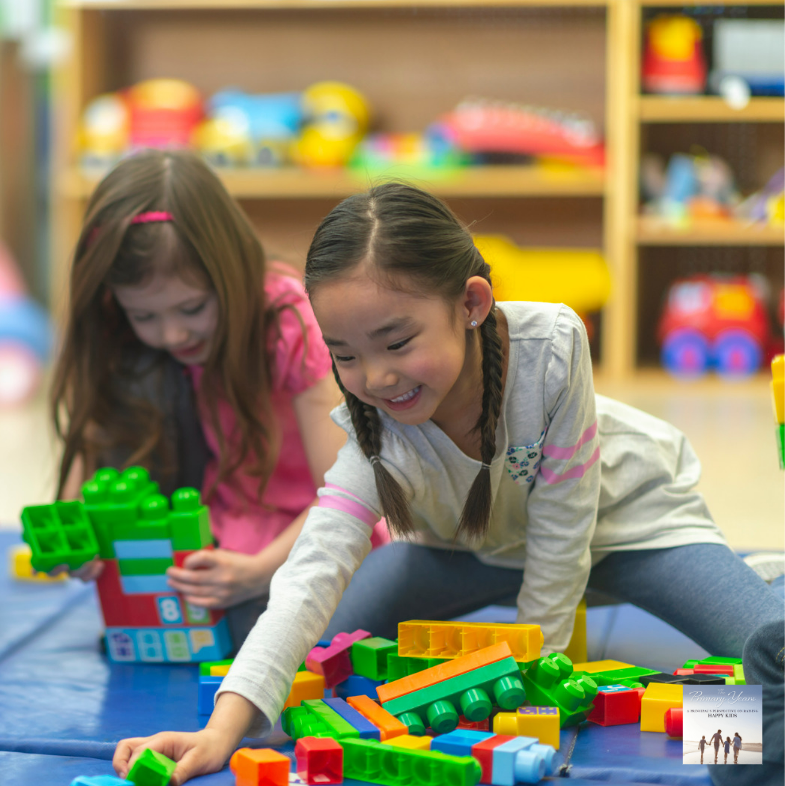
Play games where they sometimes win and talk about the fun of having a go and succeeding. Simple games like snakes and ladders can build confidence in young children. Building blocks are a great tool for seeing success through the endeavour.
If your child hates chores and says they are boring, simplify the chore. When they finish, have some fun and tell them how finishing the chore makes your life easier.
Select small attainable goals at home. They will be less frustrated as quickly and feel that they want to finish it off. Sometimes doing the goal with them can be helpful as well.
It can become a habit to underachieve. Find occasions at home to notice when they did complete tasks well. Talk about them and make a fuss about the success it showed.
Use positive upbeat language. Not words that can easily put down your child. Words like:‘Wonderful effort’,‘Great show’, ‘Much appreciated’, ‘What an outstanding effort’ and‘Wow what a great job’. It’s all about getting them to hear positive thoughts about their achievements, no matter how inconsequential.
Little positive notes around the house, in their bedroom and in lunchboxes, about how they did well to achieve certain things is a very effective visual way of letting them feel like an achiever. I used to put a little positive note in each child’s desk each night. This made such a difference to their motivation and drive.
We all have periods of underachieving. Our children will have shifting emotions that, from time to time, may lead them down that path. Just keep up the positive talk and minimise occasions where that sense of hopelessness and reduced drive can linger longer. We don’t want over-achievers; we want natural achievers.
‘The achiever is the only individual who is truly alive.’
George Allen