
9 ideas to get the term off to a good start
Here are 9 parenting ideas that can help kick the term off to a good start.

Term two begins in school with a whole different feel. By now there is a general expectation that relationships have formed in the classroom and that children have a good understanding of where they sit with their teacher. Not to say that this is still a work in progress and children need to feel secure and valued over the school year. Sometimes, with more vulnerable children, that can take some time to develop.
Routines should be well set up at home. This should especially apply to before-school routines and homework patterns. Providing such an order does keep children busy and focused. This reduces small anxieties about school that can creep up, particularly in the morning.
Every now and then check in with your child that they are keeping in touch with their teacher. A measure of this is usually that they talk about them at home. If you have concerns, talk to your child and follow up with the teacher. They need to be kept in the loop.
Routines are well underway in a classroom. Children know the routines, the regular test patterns and the extras that are built into the day. Chat about how their day works. This shows interest and that you have up-to-date information.
The teacher will have set expectations of how the children should work by now. It is important that your child understands and is in the swing of following the routines of the school day. A chat at home is also helpful here.
Sometimes, with younger children, fatigue can set in and occasionally you may hear ‘I don’t want to go to school.’ Sometimes it comes in the form of stomach aches etc. Here it is important to be strong and keep up with regular school attendance. Research shows that more and more absences from school becomes a habit and has a significant impact on learning.
Try to keep up with parent nights, sports days etc. I know the year gets complicated but your continual, ongoing presence in their school life, keeps their optimism up for the year. It can wain once the weather gets colder and days darker.
As the winter sets in and the children seem less engaged, maybe this could be the time to throw in some treats or simply reduce duties etc. A little lighter period on everyone can ease the winter blues.
Keep up the important family rituals such as having meals together. Such regularity helps everyone feel consistently connected and necessary.
Bedtime rituals are important as the year rolls on. Children enjoy that time to often disclose concerns or simply feel connected in a special way to their parents.
Finally, the school year can be challenging for some children. It can also put undue strain on a family that is busy and has a range of expectations. As a parent, keeping the happy momentum is what it is all about. This may need some adjustment and maybe adaptation from time to time. It may also require that you check in with your own needs across the year. Your mental health has a direct impact on the well-being of your children.
‘One way to keep up the momentum going is to have constantly greater goals.’
-Michael Korda

Be confident as a parent you have what it takes
This blog shares a few parenting tips on feeling and growing confident in being the best parent possible.
By nature of being a parent, you come with many capabilities. It is easy to underestimate how skilled you are, but by nature of being an adult, you have already learnt many skills that can be translated into useful tips for your child. A parent who feels confident about their skills gives a strong message to their child and this feeds into successful parenting. Confidence breeds reassurance in others.

It is also natural to feel anxious about providing the best advice and council to your growing child. After all, the world they are entering has altered from your world and the skills they need have shifted from the demands and expectations placed on you whilst growing up.
Here are a few thoughts on feeling and growing confident in being the best parent possible:
Never underestimate your child. Understand that they have special gifts that are unique to them and that we should focus on all that makes them special and unique. Consider that they may not understand you, but your task is to understand them and respect what it is that they want. This can be difficult, but to understand them better you need to understand their world. You have more confidence in supporting your child when you really feel you know them.
Take care not to compare. Each child is an individual and thinks and processes quite differently. We need to understand how they think and what drives their world. The more we show respect and understand our child, the greater union between you and your child.
The education of your child takes such a priority. Know what your child is learning. Be part of that journey. Show interest and be available when and if they need your support. Learning is a lifelong journey and it happens in many ways. Your child needs to see that you are open to learning yourself and enjoying their journey through their schooling years. Don’t be anxious about what you know and what you have to offer. You have much to offer!!!
Know that learning more about parenting is what all parents can benefit from. Read books on parenting. Look up journal items etc. Gain information and be an ongoing learner in the field of parenting.
Find creative ways to be family. Real learning comes from joint experiences. Rock climb together. Kayak as a family. Keep the adventure coming. Take a few risks together. This always strengthens the bonding and builds family confidence.
An important and easy way to parent well is to set up stable routines. Here, I refer to meal times, chores, morning expectations etc. Routine gives you clear directions and everyone knows what the expectations are for all. Start early when the children are little.
You know your child very well. Have faith in your gut and intuitive sense. Parents have a natural sense when it comes to intuitive matters. Rely on your good sense when talking and negotiating with your child. But be an effective listener!
Be natural and accept your mistakes. Children respect you when you show your human face and act in an authentic way. Nothing is gained by false confidence or bravado. Show them it is OK to make a mistake and that you can grow and learn from making mistakes. You will be less anxious about making errors when you accept that making mistakes is a normal part of parenting.
Being a strong, active presence in the life of your child is a powerful way to parent well. Never underestimate that such a presence presents confidence and reassurance with all its foibles and successes.
You will see many models of parenting over the years. Some will come with outstanding qualifications and some will challenge you especially when your child says: ‘Mary’s parents let her go to the party!’
Don’t be put off by all the models of ‘would be’ great parenting. You are the parents. You are the rock and you have such sensitivity to your child, that can only be understood by the intimacy of being their parent. Despite the fact that you may not have all the answers, you are there for all the right reasons. Just ensure that you listen effectively and are prepared to appreciate other ways of seeing the world. With confidence, you are in the best position to deal with many and varied matters of childhood.
Over the years in my role as Principal, I saw many families crossing my door. It was always a joy to observe families who were closely bonded by the nature of who they were. These families enjoyed being part of their family where expectations were normal, understanding and tolerance strong and no undue pressure appeared to bother them. Family for them was a natural process, with all its foibles and successes. Being family shouldn’t be complicated and above all you, the parent have much to offer your fledglings.
‘Behind every young child who believes in himself is a parent who believed in him first.’

Parent involvement reaps all the benefits
As a parent, it is crucial to be involved in your child’s schooling and learning. Here are some outcomes when you show interest in your child’s schooling.
No doubt about it, when parents are actively involved and interested in their child’s learning, the child has an optimal chance of being successful at school.

When your child feels that their school life is connected to their home life and that parents enjoy and participate where possible, great expectations are the order of the day.
Here are some of the outcomes when parents show interest in their child’s schooling:
A child will have a more positive attitude to their work when they know that parents are interested in what they are learning. This becomes a normal part of home life, talking about the activities and discussions held at school.
Reading accelerates early when parents engage with them in reading at home. Keep books visible around the house and demonstrate to your child that reading is a natural family experience across the week.
Parents interested in their child’s learning are always keen to be around at homework time. They understand that there are expectations set by the school and their support makes it easier for children to fall into the routine of doing homework.
Interested parents are naturally encouraging their children in the whole learning process. Therefore, it’s no surprise that these children are developing an interest in learning and higher education.
A parent involved in their child’s education also gains some joy from learning new ways and being part of the bigger life of the school. There is nothing more enriching than a school community in full swing.
When school problems appear, engaged parents are quick to respond and given their insightfulness, problems can be solved more quickly and with less interference.
Parents engaged with the school build a strong relationship with the teachers. This makes such a difference when issues occur. Teachers are more at ease with interested parents. They feel very comfortable talking to them.
Talking about school regularly as a family builds a happy image of the paramount importance of school in the life of the child and family.
A great way to support your child’s learning is to set an example by reading, writing and engaging in other learning activities. Children then see how you value the learning process for yourself.
A parent is involved when they develop a communication style that invites questions, enjoys problem-solving and having open conversations. The more you show an inquisitive style to a conversation and invite alternative solutions to problems, the more you are teaching your child to think laterally and become a problem solver.
Proudly boast your child’s school work by having pieces on display around the house. This shows your approval and praise of their work.
Children who get support from parents do feel more competent at learning. Parent support gives them this boost. It also keeps their interest in attending school regularly.
When parents show interest the child is happier and their morale is high. This affects their whole disposition to school. They are more inclined to be interested in engaging in more activities.
Teaching children to value education and is solidified if parents are actively interested in their child’s learning.
Finally, enjoy the journey. You will learn so much from being an active participant in your child’s learning. Nothing is ever lost from exposure to learning and your child will feel more secure knowing that you are walking the path with them.
‘If opportunity doesn't knock, build a door.’
-Milton Berle

At what age should a child start at school?
The question of what age to start school has always been tough and debatable. Here are some thoughts about the suitability of school for your child.
This is always a serious question that parents ask and it does require some thought and primarily, an understanding of your child. I have seen many children start school far too early and this will bring some concerns that can have an impact on the child’s happiness level and sense of feeling connected and successful.

Here are some thoughts to get you thinking about the suitability of school for your child:
If your child is age appropriate to go to school, generally this will give them the maturity to cope, especially with the prep year. Talk to your kinder teacher who would have an excellent understanding of their readiness.
Keep in mind that whilst prep is all about getting familiar with the teacher and class, by the end of term one, teachers are working hard to get the children on the reading continuum. It would be fair to say that this can cause some concern for children who take longer. As the year progresses, there is marked acceleration with a prep class and the expectations will rise as the year progresses. Such acceleration is often driven by the excited preps who are doing well, converse easily and socialise well.
Is your child developing language skills and some mathematical vocabulary? This is a positive sign when they comfortably can demonstrate such developing skills. Kindergarten focuses on number facts and language skills.
As a family, are you ready for your child to start school? Think about support networks for the child. Is the home set up to enable the child to read at home and do school activities? At home is the child developing independent skills? Do they dress themselves, toilet properly and have some independent chores? The home and family settings should both show signs of readiness for school.
Socially, your child should and will form friends over time. This can be an easy experience for some, but less mature children are often not ready to engage, converse and interact at a level that is of a faster pace.
Remember that once your child starts school, the likelihood of repeating a year, if you believe that they need it, is strongly discouraged in schools. They will argue that it will interfere with their social world and give the child a sense of failure. Repeating a class has been done occasionally and in many cases, the child moves schools to make it more socially comfortable for them. It can be done successfully, but needs careful management and support from the school and parents.
The prep year is a long year for your child. They will need to be prepared to be able to learn the routine, sustain a whole day of curriculum and keep up socially with the life of the school as it unfolds for them. Emotional regulation is important as many challenges appear across the school day.
In prep, there is a high expectation from the teacher that you have a strong presence. They will invite you into various classroom activities and set expectations that you may help in the classroom. Once your child is at school, your world will change as you become an active participant in their learning and daily expectations.
If your child is going to school in the new year, talk about the school, visit it with your child, drive past it regularly and chat about the exciting journey they will have. Which is excellent preparation work for their transition to school.
Prep teachers are chosen with great care and consideration for the age of the children. You should feel very comfortable approaching your child’s prep teacher throughout the year. It is also important that your child sees you having a relationship with the teacher. This is all about building trust which is so important to your child.
Finally, a prep year starts with great excitement and anticipation of what lies ahead. Your child will mould themselves into the prep year. There will be some anxiety about making it successful. The best opportunities come when they are receptive to what is offered, are able to emotionally engage with the journey of friends and success and feel that they are in an environment that makes their parent’s happy. Your role in acceptance and participation in their prep year is critical for success. Their readiness for school will be linked to your preparedness to have your child at school.
‘Your education is a dress rehearsal for a life that is yours to lead.’
-Nora Ephron

Using our language well
The use of good language is critical to a child’s communication development. Learn about how effective language can make a difference for your child.
One of our greatest gifts is the power of speech. It starts from birth with simple sounds and some not so little. As we develop language, we listen and learn about what is said around us. Even intonations are often picked up from family connections and familiarity with people. Language can be used for good and sadly for evil. We teach our children how to use language from our own way of communicating and how we send messages to others.
When we use language effectively, there is so much more to gain and in its own right, it carries more power than blustering through conversations that are reliant on aggressive expression.
Let us think about how effective language can make a difference for your child:

When you speak calmly and without raising your voice, people will listen with more sincerity. Louder more aggressive tones are often ignored or overrode by people who can become anxious with what is said.
When you speak, stop and think. Just a little thought about what you have to say can make such a difference in the way you express yourself to others.
When responding, keep a positive tone. Throw in a little affirmation and reassurance sometimes. ‘Thanks for the lunch. I really enjoyed my time with you.’
Use words that are not harmful at all times. There are ways of expressing your displeasure, but be careful, using words that label will stick.
Every now and again check your vocabulary. Can you increase it and find words that are more enriching when explaining situations to others?
I have always said fewer words are better. This is true, especially if what you have to say is about something negative. Say it and move on. Repeating it does not give it extra merit.
Children always look for reassurance in your words. Keep a mental check of how you are speaking to them and build positive thoughts about your children. Everyone loves to hear something nice about themselves.
Remember the ‘I’ statements. ‘I am angry that you broke the vase. That was my favourite gift from my aunty’. When angry, an ‘I’ statement with a logical reason behind it is more effective than using poor language and just being angry.
Play games like scrabble. They increase your vocabulary and teach your children the benefits of having a broad range of words as back up.
Remember, when speaking, talk at a pace and a level of hearing that works for your child. Talking too fast may mean that they do not hear or listen to what you say. Choose a pace and volume that works.
Do not use an aggressive voice when dealing with children. Hostility can be picked up from the voice and this can very easily intimidate and overwhelm your child.
When your child speaks, become a good listener. Try not to interrupt. They need to express their thoughts in complete sentences and with time to reflect. Jumping in quickly undermines their voice.
Practise expressing your words clearly. Avoid abbreviations and take your time saying what you need to say. Your child is learning from you, the art of speaking well.
Monitor your body language when speaking. A lot can be said from poor body language.
Try to focus when talking and not drift away onto other topics. Children will listen more if you talk about what is important and nothing more. Idol chatter is seldom heard.
Speaking can use empathy and other essential emotions that are important in building relations with children. Use these motions wisely and not for manipulative purposes.
Speaking well to children helps them shape their emotional development and builds relationships with others, A child who is spoken to with dignity and respect learns to like and value themselves.
If children are surrounded by good language, their literacy skills improve immensely and their confidence in using good language grows. Such growth feeds into their self-esteem and the child feels able-bodied in independently talking about things that matter to them. A confident, well-spoken child is a joy to behold.
Finally, a parent who uses language as a skill that will give their child a better chance in life is a wise parent.
‘The limits of my language mean the limits of my world.’
-Ludwig Wittgenstein

Do you ever feel like you have hit rock bottom as a parent?
Everyone experiences moments like these as a parent. Here are a few tips to keep positive and that making mistakes is all part of parenting.
We all have those moments and sometimes they turn into hours!

In my work as a school principal, I was always noticing the major changes and adjustments that families made as time went on. Crisis can hit, but as time went on, circumstances shifted and new life came into what were very difficult situations.
Fear is often an issue with parents when they think about the worst-case scenario. They think about the dreaded, ‘What if’ factor. This can become quite a preoccupation. It can cloud common sense responses to situations and can limit a parent’s ability to open their minds to options.
Here are some ideas to keep you going and to remind you that being human, making mistakes, etc. is all part of parenting:
Nothing is permanent. If you have a crisis or just hitting rock bottom, it will pass. Time has a way of shifting the ebbs and flows of life experiences. Everything has its season.
Children keep changing and evolving. Their thoughts and ideas keep shifting and their needs and demands will change as we, the parents, change with them. Therefore, worrying unduly or overthinking about one issue is pointless. Sometimes preoccupying ourselves can mean the problem just disappears, without any of our interference.
The problems children have are children’s problems, so I recommend putting things into perspective and worrying less. Children’s problems come and go and they often take charge of them themselves. Everything of course within reason.
Your children will surprise you! When it comes, enjoy the challenge and try not to become anxious about its implications.
If you are getting tired from just parenting, perhaps you are working at it too hard. Are you overthinking matters? Perhaps you are demanding too much control? Some of the best parenting I have seen came from relaxed and easy-going people who were quite happy to let things just be at times and not interfere too much with their children’s issues. Simply having a presence can at times be enough.
Don’t forget to not lose yourself in parenting. Allow some time for yourself to develop who you are. The happier you are as a person in your own right, the better you will be as a parent. Think about exercising or doing some activity that gives you joy. Permit yourself to be a parent that makes room for yourself.
If you are feeling overwhelmed, learn to reduce the pressure. Find ways to cut back on planned activities or slow down from adding to the list of things to do. Your child wants you as a happy parent, not a fatigued parent. Less is better when it all gets too much!
Be honest with your child. If you are tired tell them. If you haven't the time to do what is requested, talk about it. Your child needs to learn and understand your limits. Be authentic with them and they will appreciate your honesty. This is how they learn empathy, compassion and tolerance. This is also about setting responsible boundaries that support your needs.
If you are hitting a low point, seek out friends and companions that have a similar journey. A lot can be gained by having such a support group to call on. We all need to rely on others. Parenting has been around since the cavemen.
Sometimes saying less when things get heated is the best way not to overcomplicate situations and tire yourself out. We often try to be available and solve situations on the run. Saying less and even silence at times creates some emotional respite which can be a calming time.
If discipline is needed, are you the one to deal with it if you are not in the right space? Perhaps delay discipline if you are not able to deal with it at the time. You need to be well and in a good mental space to be disciplining children.
Try not to be critical of yourself as a parent. You are doing the best you can. Don’t compare yourself to others. You can go into dangerous emotional spaces when you do this comparison. Your child loves and values you for who you are, warts and all so keep up with just loving your child and doing your best. By the way, I have never met a perfect parent!
Finally play often with your child. The more you play, the less intense you are and that greater feeling of being connected to your child tends to wash away some of those feelings of it all being too much. Play is a wonderful healing agent. We all need to play from time to time.
‘Self care is turning some of the nurturing energy you give to your child, towards yourself.’
-Kristi Yeh LMFT

Friendships are important in your child’s life
Friendships are essential for a child’s development and social skills. Here are some things to consider when your children are creating friendships.
I am certain that a social anthropologists would tell us that somewhere back in the cave man era, man grew the desire, perhaps need, to develop friendship. Coming out of their cave and socialising would have been yet another important step in mankind’s evolution.
We all need friendship and we need to have the ability to connect with others. We do not need, nor were we ever designed to live in isolation. It must now be part of our DNA. Children at school age start to develop friendships where they gradually develop a sense of belonging. This process begins at birth. It is a slow, steady process and for each child, the journey will be different.
There is so much to say about the value and necessity of the child developing friendship. Within each relationship there is so much about themselves they learn and this will come with some pain and glory. A child learns much about developing resilience, becoming intuitive and above all, goes through the rigour of developing emotional intelligence all through the journey of forming and sustaining friends.
As parents, we have a very special role to support them in their evolving understanding and development of friendships.

Here a few thoughts to give us direction in this critical guiding role:
Remember, your child’s friends are not your friends. Sometimes we can show our disapproval of who they bring home or who they befriend. In subtle ways we can say and do things that worry your child about the friends they enjoy. This can make them doubt their own judgement.
Your child will meet friends and move on after time with some of those friendships. Accept that they need to be the one who judges the worth of their friends. This can sometimes come with pain but that is how they build resilience and grow wiser in making suitable choices.
Support their friendships by getting to know their friends. Be interested in them and organise play dates to support the friendships.
When you see friendship troubles brewing, simply remind them about social cues and listen to their concerns. Once again, remember they are not your friends nor is it your responsibility to sort out their concerns.
As a child builds friends and they go through the rigour of the ups and downs, they will learn about empathy and altruism. They will discover many emotions through their friends and will be introduced to other ways of viewing the world. Be open and listen to what they say. Take care not to shut them down too quickly. They expect to learn from their friends. It’s natural.
Watch and learn how your child plays and socialises. This will help you fit into their world with ease. You will understand them more by watching their games, chats etc.
Model positive social behaviour. Let them know and see that developing your own friends is important for your social world.
Affirm your child when they show initiative in approaching others to develop friendships. For anxious children, this can be a very difficult step to take.
All of your children will approach friendship differently. One child may be incredibly gregarious and would like everyone in the class to be their friend. Another child is perhaps more reserved and may be happy with just one or two close friends. Accept that the needs are different for each child. Celebrate their differences in this way.
Children gain amazing opportunities from joining activity groups and through organised sport. Even if they are not great communicators themselves, sport takes care of that as they become an active team player.
Respect the fact that a loss of friendship can be quite devastating for a while. Often girls can harbour upset feelings for a long time. They don’t seem to forget their hurt easily. Generally, boys will get angry and blame the other person for the breakdown. Sometimes a quick fight sorts it out. Either way be a good listener and understand that a loss of friendship can take a while to heal. They need space to grieve and heal.
Play is a very large part of how children connect from infancy. From an early age involve your child in playgroups, friendship meetings with other parents etc. From a very early age, your child needs to be playing alongside other children, which will ultimately lead to social connections. In these settings they learn to control negative emotions and begin to recognise other people’s emotions. At first they simply play alongside each other, but after a while they need to make connections and that is when it all begins.
Your child learns to be more social, through your loving disposition, warmth and positive way of disciplining your child. Parenting in a punitive way will only delay a child’s ability to effectively socialise. Strict discipline lowers a child’s self confidence which retards their ability to socialise effectively.
Socially anxious children need parenting that is sensitive and positive. Through your gentle support and encouragement in a safe and happy environment that encourages social engagement, friendships will develop. Here they will need plenty of trust and reassurance around them.
‘Childhood friendships are timeless treasures of the heart.’
- Proud Happy Mama

Swearing is something we need to monitor in our children
Children will need to decipher what is acceptable language and what isn’t. In this blog, there are a few parenting tips to consider that can help children understand the importance of appropriate language.
Language is such a powerful tool. Children learn quickly that language gives them a great ability to get their needs met and to communicate with others. Children learn language primarily from parents and other environments such as kinder and school. They need to decipher early what is acceptable language and what will cause some distress. Of course, children will use swearing for different purposes. Some do it as attention seeking, some feel some kudos from doing it and others might feel it gives them some power.
These reasons are clear indications that we need to encourage children to understand how destructive swearing can be when it comes to forming their character. They need to identify what is unacceptable to say and when one should be aware of what is appropriate to say.
Consider:
When you hear your child swearing, walk away. Look uncomfortable. Do not respond and show by your action that you disapprove of the swearing. You will not be party to such unacceptable language. Discuss later why you feel very unsettled by their swearing. They need to learn how isolating and damaging swearing is to building relationships.
Talk to your child about how to express themselves when angry, disappointed etc.‘I am angry at…’ ‘I am sad when you…’.
This is all about finding alternative ways to express strong feelings, other than swearing. They need to learn the value of an ‘I’ statement that will give them more control over their feelings. However, it does need practice.

Watch your own language at home as they will of course repeat what you say. Talk about finding a common word like ‘bother, darn, fruit’ etc that can be used instead of swear words. Make it a game if necessary that highlights the need to stop swearing.
Older children sometimes enjoy a swear jar. Here you put in money when you swear. Parents should be part of this, it should become a family exercise. When a child uses a swear word that is totally unacceptable, take care to check if they actually understand what the word means. Sometimes they simply think about the effect and have very little understanding of its meaning. Here you will need to take the child aside and explain how this word is hurtful and inappropriate.
Some home truths to ask your child:
How do you like being sworn at?
Does it make you feel poorly?
Do you understand what has been said?
The child should reflect on how the impact on them is hurtful.
There are many people around them that will swear to achieve an effect. Try to simply teach them that explaining yourself clearly can have much more of an effect than swearing. This is all about teaching them how to diffuse the short-term power that comes from swearing and replace it with solid sentences that have a more mature way of dealing with emotions. This of course may take time.
Remember that your child will try on many hats when growing into an adolescent. Teaching them the power of good language is giving them wonderful tools to use in building their self-confidence.
‘The limits of my language mean the limits of my world.’
-Ludwig Wittgenstein

Teach our children to be flexible and with this, determination
This blog discusses parenting tips on how to combine flexibility with the importance of being determined.
We live in a world that demands a flexible and open way of being and doing. The more obstinate and single minded we become, the more obstacles we have and the lack of interest people will show in our causes. This blog is a combination of thinking about flexibility and with it the importance of being determined.
Let’s teach our children that they can be flexible and when things don’t go their way, they can change direction, try another way and with determination, keep going. How many times do things go wrong and we are left with the question of what now? A determined mind and a disposition to be flexible and try a different way, shows stamina and invariably leads to success and most definitely more satisfaction.
Take for example a child who struggles to understand subtraction. Try as they might they just can’t understand how it works. In this case, if he decides to learn a different way or perhaps set up separate lessons with his teacher, he is showing determination and a flexible approach to solving subtraction. Here there is no defeat, but a stoic approach to getting on top of the problem. What great resilience to teach your child. What wonderful feelings of being successful a child will have.
Consider:
There will be times when a problem gets on top of you. Talk to your child about all the approaches you will try to solve the problem. Let them know that with flexibility and new way of thinking, the problem can be solved. There will be no walking away from the situation.
Your child will need help from time to time. If it’s homework, avoid frustration and look for alternative ways to solve the issue. It may be a simple solution of just talking to the teacher. Either way, you let them know that it is important to get on top of the problem.
When you see your child struggling with their toys, games etc, rather than putting them away making excuses like, ‘it’s too hard or you’re so tired’, try working on suggestions: ‘Let’s find another way to put that Lego together.’ ‘The jigsaw is tricky, let’s turn it around and start from the other end.’
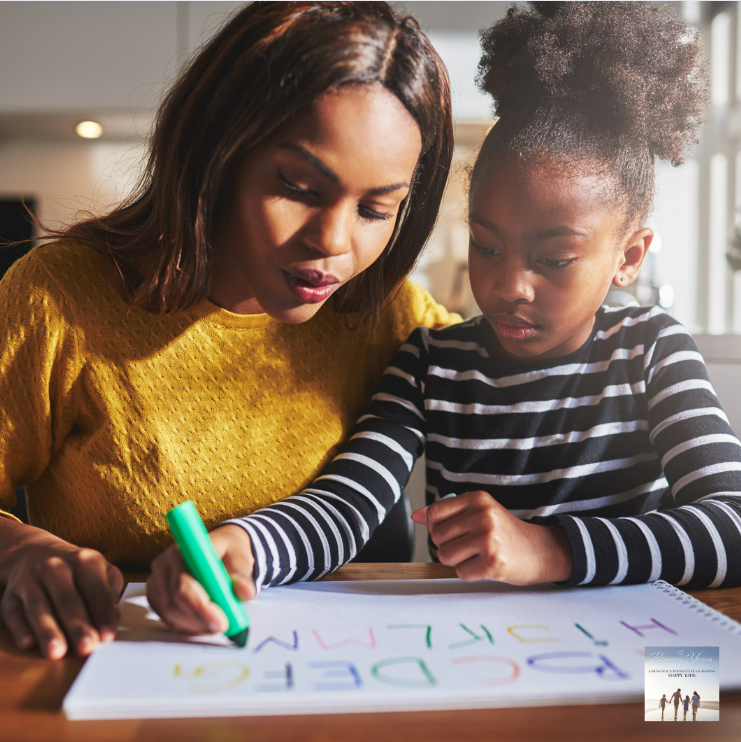
Here we are saying that all is possible with new ideas and the belief that you can do it.
How many times do we put things away to avoid increasing problems or disappointments? Show them that conquering the problem is the way to go using creativity and finding flexible tools. The reward is to complete the task which is so satisfying. Of course, everything within reason and a responsible parent knows when enough effort is enough.
Try to teach the principle.‘If we can’t do this, then we can have a go another way.’
Teach them that something tackled is worth finishing and that finding different ways around the problem is very satisfying.
Children can often get disappointed because they discover that they are not good runners, or they are poor at spelling. This is where we move in by reminding them that you find other things that they are good at. Teachers are very capable of redirecting a child’s focus when they feel let down when they are not showing skill in a certain area. This is being determined to not be put down by failure, but redirecting one’s thinking to what makes you shine. It is also recognising that we cannot be perfect at everything.
We all have losses and we all recognise that some things may not be obtainable but if we teach our children to be flexible and keep persevering, who knows where this life lesson goes? How many stories do we hear of brave acts such as sailing solo around the world with major disabilities?
A child who learns the value of perseverance and has an optimistic approach to solving problems in different ways is a fortunate child. They learn that having a go may mean failure but having another go, it might just work!
‘They can’t use up creativity. The more you use the more they have.’
-Mayo Angelou

Watch out for the impostor syndrome that can creep up slowly
Impostor syndrome is commonly seen in adults and children. Here are a few parenting tips that can assist you to reduce your child’s feelings of insecurity.
Have you ever felt that you were just not worthy of rewards or that you felt that people had misjudged you or that you weren’t as capable as people thought. Perhaps somebody else should have your position? Beware, this is called the impostor syndrome. This is where we tend to believe that we are fooling others and rising above our status and capabilities. It can be one of those syndromes that can start early and I have seen, in some children, a lack of willingness to take awards, or put themselves first, because they thought others were more worthy. A child can start to develop stepping back approach to and not expecting to be chosen because of their feeling of unworthiness.
Let us consider how we can ensure that our children reduce their feelings of insecurity:

Always try to reinforce with them why they have succeeded. In this way you are being specific about their achievements. They are real and clearly being stated “Well done. You won that award because you can run so fast. It is a great skill of yours.”
Encourage your child to put their names forward for all types of events and opportunities. Explain that better to be in the race than not.
Talk about how you cope with feelings that others deserve it more than you. Perhaps you have had times when you were reluctant to put yourself forward. How did you handle it?
Having knowledge that you are capable and that there are good reasons why you should be chosen is a key to being on top of this problem.
Reinforce regularly to your children that we all have some fear about taking on new steps but that they are worthy and that they should feel proud of all their achievements.
Sometimes it’s worth just listing all the capabilities your child demonstrates. Sometimes seeing it gives a strong message of their sense of worth.
Talk to your child’s teacher and ask if there are any signs that your child is choosing to stand back from being chosen or is reluctant to put up their hands. Teachers are very good at bringing children into the scene and ensuring that their engagement in the class is full and healthy. The classroom is an especially important space for your child to feel strong and confident in themselves amongst their peers. So much of this impostor syndrome is about you feeling less worthy than others.
Try to avoid put downs to your child. These are sure fired ways of making them feel less worthy. Words stick and can be remembered for a long time.
Take care not to rush to negative talk when a situation develops. Here we are trying to encourage our children not to immediately focus on the negative. When a tricky situation occurs think about the positive first. Be drawn to thinking about good outcomes before honing in on the negative.
Finally, we all can suffer from being a little nervous but here we are trying to ensure that our children do not become conditioned to stepping back and feeling less worthy than others. A healthy dose of personal confidence and feeling of worthiness is what we seek for our children. It is a very healthy disposition to like yourself and feel achievable and worthy.
‘Love isn’t something you have to deserve.’
-Jennifer Echols

Keep an eye out for perfectionism
Here’s some parenting tips to encourage your child to believe in themselves and their successes.
Perfectionism is closely aligned to anxiety of various sorts. It can be triggered in many ways, but once it takes hold it can very destructive. It can become toxic. Children particularly can be affected by perfectionism. It may manifest itself when doing a test. It can be all about not completing work for fear of getting it wrong. It can also encourage procrastination where a child chooses not to make decisions. There are many irrational beliefs that a child can develop when perfectionism creeps in. I have noticed that first children can have reservations about completing tasks that are not good enough. Often, the second child was more relaxed, the first child showed reservations caught up with fear of making a mistake. Here it was about not letting anyone see their mistakes, the least of which was parents. Perfectionism holds you back from achieving your goals.

As parents, we can be partially responsible for our children having fears and doubts, as they do not want to disappoint us. This is very big in their mind, especially as they see how excited we are about their achievements. At a very early age, they see the excitement on the face of their parents when they are successful.
Consider:
When affirming your child, try to comment on their efforts not focusing too much on the outright success. The measuring of success can make a child anxious. Sometimes good is good enough.‘You got everything right just like the other day. How smart you are.’ This can set a precedence where the child has to keep up the performance. Nothing less that perfect is what is required!
Explain that nobody is perfect and it is all about the effort and outcomes that come from the drive.‘You certainly put all the effort into your work. Congratulations.’
When you talk about your child’s strengths, occasionally mention those areas that they are working on.‘I notice how great you are at helping with setting the table. Thank you. Sometimes help with the dishes is good also. Let me show you the best way to stack the dishwasher’. Here we say we are always working to improve and learn new skills.
Always state that you do not expect your child to be perfect. In fact perfection is a myth. It is important to articulate that to your child. Sometimes they simply need to hear it! Often! Remember perfectionism is all about earning approval.
Use the rating scale. It comes in handy. Ask your child occasionally what number out of ten do they give themselves for some activity. Talking about the number reminds everyone that life is a work in progress. It is all about continuous improvement.
Children love heroes. Talk about some of their idols such as sporting heroes and their struggles and determination to overcome being the perfect athlete etc. How do they manage being satisfied with their performance especially when they don’t win? How do they manage a lack of perfection? Where or how do they find contentment in their flaws?
Sometimes simply making one mistake can be catastrophic and take over a child’s belief that they are a complete failure. We could call this self abuse! This is of course a major problem for some children. From an early age focus not on the performance but the effort and passions that your child shows. Affirm their contributions and applaud their recognition of other children’s efforts. ‘Well done. You tried so hard and worked so long with that project. Such endurance. It is also pleasing to see that some children also showed great creativity in their work.’ Teaching them to share the glory strengthens empathy. It defuses the importance on the child as well.
Finally, children learn from an early age to compare themselves to others. Many external influences are out of your control. Your role is simply to remind them by word and deed that they are a special individual and that performance is not a measure of how successful they are as a person.
‘Perfectionism is the art of never being satisfied.’
-Unknown

Sibling matters really matter!
Sibling arguments can be challenging, here are some parenting strategies to ensure that navigation is as accurate and smooth as possible.
It is such a natural part of family life to have to deal with sibling issues. Children come in different shapes and sizes and their place in the family, age and temperament will determine how they respond to sibling matters. Do not be too surprised when there are fall outs and they say how they hate their brother or sister. The parent’s role is to negotiate their way through these times which will always be changing. The fact that family dynamics are constantly on the move as children grow and family circumstances shift, reminds us that we need not get too stressed when there is a sibling blow out! It is amazing how their feelings towards each other will vacillate according to shifting circumstances, mood, temperament and wellbeing. Don’t be surprised when the pendulum swings from one end to the other.

The parent’s role is to be the navigators through these situations. The following thoughts remind us not to worry too much, but to use some strategies to ensure that navigation is as accurate and smooth as possible:
When squabbles occur, remember to be an effective listener, but despite what you may think, do not take one side over the other.
Encourage them always to resolve matters themselves where possible. This is always the best option, but consider their age and capacity to work through the matter.
Try to be fair and just when discussing consequences. Make sure that the discipline given is understood and accepted by the child or children.
Keep in mind the age of your child. Younger children will not be able to comprehend the situation the same way as an older child can understand. Each child should be spoken to for age appropriateness and readiness to listen. This means that the nature of the discipline should fit their age.
Sometimes we worry far too much about their fights. Always check in with them as sometimes the dispute is already resolved and your involvement is not necessary.
On the positive side, having a sibling and learning to share, negotiate and sometimes compromise is a great way to learn life skills. So occasional fights and healthy resolutions can be a positive thing.
Remember it is your home and you set many of the rules. Sometimes they just have to go by the rules with no negotiation.
Being fair is so important as lack of fairness can build further resentment.
When talking about your children, avoid negative talk about one child in front of the other. This can be unsettling and misunderstood easily.
As a family, set up rules about how you deal with fights. Ensure fairness and listening to both sides is built into the plan.
Be aware that they see how you manage conflict with your partner, other children, family members etc. Your model is so important.
Always aim to problem solve. Invite both children to come up with ideas to resolve the matter and let them settle on a resolution where both needs are understood. Then check in later to see how it all went for both of them.
Remember that sibling relationships will include at times feelings of jealousy. Bickering is common and often they feel resentful. It is all about sharing affection and feeling that you have a fair share of family love. Try to give individual time to each child. It is amazing what you learn and your child feels happier being personally connected to you.
Pick the battles you think are necessary. Sometimes avoiding less significant issues means less conflict at home.
Always remain calm and steady when a conflict breaks out! Your emotional reaction can easily inflame a situation.
Try not to encourage competition between them. They are all different and celebrating differences is the key. Find time as a family to celebrate all their differences and make this a key feature of what you love about each of your children.
Being fair does mean that what they get does not always have to be equal. Teach them that there are different reasons for giving each child what they need. Remember siblings are the people you practise on in becoming a full human.
Plan family fun time together on a regular basis. This way, cooperation and happy moments together is valued in the family. When there is tension building with siblings, take them out for some exercise. Just breaking up those tense moments can defuse a situation. It’s all about being proactive and defusing potential conflict. Exercise is a great stress buster!
If you are giving some consequences to a child, don’t make it public. Embarrassment and feelings of being inferior in front of others can build long lasting resentment.
Finally, the fact that sibling issues occur across their family lifetime gives them the opportunity to grow in understanding important lessons in life such as forgiveness, tolerance, patience, empathy etc. Your strong presence in providing a climate where they feel they are dealt with fairly will fuel their emotional and social intelligence. This will help them forge strong effective relationships where they can live cooperatively with others.
‘Siblings: Your only enemy you can’t live without.’
Anonymous

Do you need to say everything? Is it best to leave some things unsaid?
As the saying goes, “some things are better left unsaid”. Here’s a few parenting tips that explains this topic in greater detail.
We are quick to jump in with responses and ideas about how to deal with all kinds of things. It is natural to have an answer, especially if you think you have all the good news to tell and the answers to give. Sometimes it’s harder to stop and just reflect on the scene. We should spend a little more time listening to what others have to say before we respond, but instead we sometimes jump in. Are we truly prepared to give the best response or to selfishly take the scene from others?
There is wisdom in slowing down and reflecting before jumping in to conversations with haste. This is also so important around your child. They know that you have much to say and will have opinions around many of the things they do. I invite you to consider slowing down rather than jumping in. Give them the right to reply first. Let them see that you don’t speak in haste.
Consider:

If you are quick to give answers, your child will learn quickly that their opinions are second rate and the possibility of them seriously engaging in opinions slows down. Give them space to respond and that way they know their opinions count.
Let them know that you are interested in how they respond. Give them a look to say that you are reflecting on what was said and would welcome their thoughts. You are giving them room to have an opinion.
Sometimes when we jump in quickly, we can respond in not the best way and feel disappointed with what we said. This can happen with our child and we soon regret how we spoke and what we said. A moment’s silence in gathering thoughts before responding can be so advantageous in not using damaging or careless words.
If your child sees that you stop and evaluate what it is you want to say, they learn that being reflective before speaking is a great tool. It enables you to speak with more care and consideration of the other person. Also it is very effective modelling as a parent.
When we respond to chatter are we doing it to emotionally feel connected, selfishly to feel that your opinion is strong or prematurely to feel part of the group? The more certain we are of ourselves, the less we need to prove in responding inappropriately or too quickly.
Show your child that you respond when ready, not rushed and when you have thought through what you want to say. The timing of words matter.
Point out to your child the people who are very reflective respondents to conversations. Let them learn that quickly coming up with a response can lead to things being said that are not appropriate or necessary.
It is an advantage to slow down responses so some things may not be said that could lead to further distress or simply are not necessary to say at all. Sometimes not having a lot to say can be a good thing. Better no harm than using careless words. Better less words with greater depth of meaning.
If you are a person who thinks through your responses carefully, your child will come to understand that what you have to say has much value. They will see you as a very sincere person, who says things only with meaning, purpose and when necessary. This teaches them that over chatter does not have the same impact or value as sincere words that have been thought through. Could it also imply that people who have a lot to say are given less credibility than people who speak with simplicity and only what is necessary to say?
Finally how often have we heard, ‘He is a man of few words but when he speaks we listen.’
‘Silence speaks when words can’t.’
- PinInterest

10 strategies to get the best from school as the year begins
Here's 10 tips on how to listen and encourage your child through the normal processes of the school year.
Now that your child has started school, think about what we control and what we don’t. There will be many challenges for your child in the classroom but they are their challenges and we simply listen and encourage them through the process.

You will have many pressures on you as the year progresses. You can start to say ‘no’ so that you scrutinise what you are doing. This will give more time identify what is important in the family and with your child. Start discerning what is really important so that you can unclutter your time.
Your child is back at school. Make everyday a learning day. Listen to what they tell you after school and enjoy all the new learning that comes their way. Be excited and interested in what new aspects of school life they have discovered.
When you talk to your child about school days, keep in mind that their world is to be owned by them. Be an active listener and not invasive in helping them solve their problems. Be a consultant and listen with interest.
Keep up healthy morning rituals to get the children up and running. A strong, consistent morning routine helps them stay focused and get to school with the least distraction. This is especially important for the more anxious child.
Don’t be angry in the mornings. Make them a happy, stable space for the child in getting ready for school. They need to go to school in a happy disposition. Otherwise, a child will only contemplate that angry feeling over the day, which will limit their opportunities.
Try to keep insignificant matters down to a minimum. There is much to absorb when school starts and the more insignificance we bring into our time, the less we focus on the important things. Keep things simple and uncomplicated.
Be careful not to dive into saying things that could be best left unsaid. You will hear much from your child when they come home each day. Listen and process the information. Pause and think before you have an opinion. They will pick up your judgement very quickly.
As the weeks and the year unfolds, you will learn much about the class, teachers, etc. you may change your opinion over time. Take care not to be too opinionated early in the year. Your child needs to make their own judgements and learn from that experience.
Concentrate on the present situation at school. Try not to worry about future issues that may occur. What is surprising, is the twist and turns that happen over a school year. Much is unpredictable and we cannot plan for it. Just enjoy the moments as your child finds their way through the first few weeks of school. Everything is a discovery.
When you hear some negative talk, try to give the school the benefit of the doubt. Schools work very hard to build strong foundations with parents and often what you hear may not be the truth. Your child needs to feel that you trust and have faith in their school. This gives them the reassurance they need every day. Let the school year be a growing time for your child with all the optimism and hope that it can possibly carry for the year.
‘Optimism isn’t a belief that things will automatically get better, it’s a conviction that we can make things better.’
-Melinda Gates

Do you have plans for a fresh start in the brand new year?
What would you like to improve this year? Here are some ways that you and your child could add healthy habits into your daily life.
Why not? There are many who use this time of the year as a time to reflect on what new initiatives they would like to start. The warmth of Summer days and the feeling of rest and recuperation can easily put in a new zest to the new year. Perhaps you are thinking about setting up healthier routines, changing work patterns etc. All is possible if the desire is strong and the determination is solid.
Your child should be also considered in setting up healthier routines. Each year as they grow there are new challenges, they will also experience changing growth curves intellectually, emotionally, physically and socially. Building a stronger family around routine and working towards ongoing improvement is the key.
Consider:

Have a family discussion about introducing some simple changes and improvements at home. This could be all about the kitchen or simply a discussion about what we can do to make our busy family life easier.
Shaking off old habits can be difficult. Many of our habits are ingrained and will take some time to change. Try changing long term habits slowly. Don’t rush otherwise it is very comfortable and easy to slip back into old ways. Let your child know that you are slowly working to change a bad habit or simply to improve one.
Some children find it helpful to write down their ideas for change. Talk to them about their plan but encourage them to start slowly. Affirm them when they show signs of some effort in making changes.
There are many new experiences about to happen for your child in the new year. This may include a new teacher, new friends, different curriculum challenges, new buildings in which to become familiar. Talk about what they may need to change or perhaps adapt a new way of thinking for this new year. Encourage them to think about the fresh start that will need some adjustment. Perhaps they struggled with their classmates last year. What habits can they develop to start the school year well with friends?
Be realistic when thinking about setting up new pathways for change. Start to become mindful of those habits that you want to change. Think about why they are comfortable and why they are causing you some concern? Reflect on those particular patterns you want to change with your child. Be inclusive and ensure that they are open to your ideas.
When discussing with your child the possibility of change, don't forget to include all the positive experiences they had last year that made a difference. Perhaps it was a year when they learnt how to make new friends etc. Build the foundation that increases our strengths, working on habits to improve is a natural process.
Children love to feel excited and anticipate all the good things that are ahead for them in the new year. Here is a chance to talk about the great adventures to come. For example, they may be looking forward to school camp. Talk about what is a positive habit to get ready for camp. It’s all about building that foundation that is strong and positive.
Keep a simple list on the fridge of some positive changes that you want to make and, of course, your child can include their plan. This gives you a chance to chat about them from time to time. Younger children can colour in their plans, some may put their thoughts in a box and bring them out when a habit has changed. Have some fun with it. You are basically encouraging positive change which helps them grow stronger in so many ways.
Finally, your child is listening and learning from you. They are in tune with how you think and what habits are important in your life. Giving them guidance around building new habits and reflecting on that change is healthy. It’s all about teaching them that growth. in many ways, comes from such change.
‘Successful people are simply those with successful habits’
-Brian Tracey

A few thoughts about what your child wants from school this year
The school year can be challenging. Here are some suggestions for parents to positively support their child throughout the school year.
School is such an immense part of a child’s life as well as having a major impact on the whole family. Of course we expect it to be a time that fulfils many objectives including stimulating a child’s imagination and developing a love for learning. We have high expectations when our child steps into the school and we trust that the environment will be a good fit for our child.
What make a child happy when at school? This is important as we now happy students are motivated students.

They need and want to be an active participant in class. This gives them credibility and a feeling of inclusion.
A busy school with plenty of activities excites and stimulates a child to become actively involved. Schools should not be docile places.
Every child needs to feel appreciated, to regularly have affirmation and acknowledgement for their efforts. No one copes well without feeling that they are capable of success and that they are recognised for their efforts by others that they value.
Regular success feeds the desire to keep learning. A school that focuses on success is a winner.
A child needs to be in relationship with other children. Developing friendships is critical to a child. Their social world is such an important part of their emotional growth. In a school setting, a child can have a powerful journey in building relationships over the years.
Here are some basic thoughts to aid and abet your child getting the best from school this year:
• Listen well to what they have to say
• Be available which may mean adjusting your busy schedule.
• Be a parent and not a friend which at times may take you in a different direction.
• Let them take ownership as much as possible independence is key to better learning.
Talk about school regularly and postively so that it comfortably intertwines with family life.
Remember that it is their school and their journey, which means at times you may need to step back and let them work through issues themselves.
Read everything that comes home from school and talk about all the activities available. Show as much interest as you can in what your child is doing at school.
Finally, for your child to be happy and get the best from the school you need to a be a parent that presents a happy face and shows great pride in all their endeavours.
Good luck family in starting the new school year!
‘It’s one of my favourite seasons of the year: back to school.’
-Dana Perino

Start the year understanding ourselves better
Parenting is always about helping our children, we often forget ourselves. Here are some ways that you can better yourself and be a role model for your child.
Consider what is holding us back in many ways. If we are always focusing on helping our children, we also need to think about matters that we can turn around in our own life.
Sometimes we preoccupy ourselves with self doubt. We are quick to think its too hard, too difficult or not within our realm of capabilities. We have a tendency to inflate the threat in our mind and this can cause a shutdown of interest, in pushing further with the idea or activity. Show your child that we can manage self doubt by focusing on positive feelings about achievement. If your child sees how you push ahead with determination and avoid the negative feelings that make you doubt your ability, they will learn to be determined and start to develop a non defeatist mentality.

Beware perfectionism. It’s a killer when it comes to living comfortably around all sorts of things on a daily basis. It can make you feel vulnerable and never satisfied, anxious about not completing things. Even if you have this tendency, talk to your child about how it can make life difficult for you. Show them that perfectionism can bring you down and take care not to put too much pressure on them. Remind your child that they are good enough to do all sorts of things and they should take up opportunities where possible.
Remember that we have moments of feeling socially disengaged ourselves. Sometimes it is easier to stay disengaged and not put ourselves out there with others. Talk to your child if you have these feelings and tell them how you are working to solve them. Being socially engaged is critical for self development. Keep an eye on your child’s swings as your role is to motivate and encourage their social skills across many groups.
Remember we are not perfect individuals. As adults and parents we have all the usual fears and phobias that anyone can have across the years. The challenge for us is to be honest with our children and let them see that life is a work in progress. You are working on your own agendas and by inviting your child into learning about the strategies and tactics you use to help you, real understanding and teaching occurs. Your child loves you implicitly. They will be very sympathetic and will understand your journey better if you keep them in the loop. Rather than letting your child live around your own struggles and challenges, allow them in to see how you work on feeling better, getting better and setting goals. They are very sensitive to your emotional triggers and the more they understand about what presses your buttons, the more tolerant they are to the situation.
You will be surprised how their developing empathy and love can do a lot of good for all the family.
‘I don’t want my children to follow in my footsteps
I want them to take the path next to me and go further than
I could have ever dreamt possible.’
-Picture quotes.com

8 dos and don'ts as your child starts school
School starting back can be a challenging, uncertain time. Here’s a few important tips to help you and your child smoothly adjust into Term 1.
This is a busy and exciting time for your child. They are about to be bombarded with a new class environment and all that involves. Now is a time for you to give them some space in the early days of starting school.
Consider these thoughts about a few don'ts at the beginning of the year.

Let your child settle in. Try not to ask too many questions especially in the first few weeks where your child is just getting their head around the changes.
Don’t set too high expectations so soon into the year. Your child will learn how the dynamics of the classroom works, they are in the early days of forming a relationship with their teacher and this may take some time to solidify.
Don’t put excessive demands on them at this stage of the year. They will have new demands on them which will take time to work through in their mind.
Have a presence at the school but give them space. They will be busy forming relationship or reacquainting themselves with friends. This can be a sensitive matter for some children.
Try to keep the social life of the family to a minimum in the first bracket of the year. Your child will come home from school tired and needing time to reorientate themselves to a new school year. Plenty of sleep and a balanced program is the best.
If you have queries about your child’s teachers, classroom situation etc. don’t speak too openly about your concerns to your child. They are forming their own opinions which will ultimately impact on their learning. Talk to your child’s teacher and be discreet about the nature of the conversations. Early opinions can often be wrong.
Everyone takes time to come out of holiday mode and into schools and routine. Don’t be too critical if it takes them a little time to reorientate. We all need adjustment time. After all it’s still Summer!
Try not to comment on their friendships. These may be changing and your child needs time to sift through all the children that are now part of their circle. Their emotional growth will come from being discerning, making mistakes and learning how to sustain friends. Remember they are not your friends.
Finally, these first few weeks will not look like the last two weeks even of this term. The classroom environment will evolve over time. Be patient let the grass settle and let your child find their roots in the new environment of school they are embracing for 2023. Teachers always plan term one as being a very flexible term, where they expect the unexpected and begin to build harmonious relationships with the children. All this takes time.
‘Slow and steady wins the race.’
-Robert Lloyd

Is bullying an issue for your child?
Bullying is a serious issue. Here's a few parenting tips on how to keep focused of the issue of bullying.
Sadly, this is an area that we are dealing with across all schools. From time-to-time, schools develop great policies that seem to work to protect the victim and to change the behaviour of the offender. However, they can break down and once a child feels the pressure of repeated bullying, it can become quite a consuming and damaging part of their life. In many cases it is not forgotten.

Of course, there is the argument that we need to toughen our children to the real world. I would agree with this, except bullying has an incredibly damaging impact on a child’s wellbeing, which can be lasting and have major impact on a child’s sense of self-worth. A child’s school performance will drop quickly if they lose their sense of personal confidence.
Here are a few ideas to keep you focused on the issue of bullying:
When chatting with your child, listen to any statements being made about feeling less interested in school. Of course, there are obvious signs such as bruising etc. but sometimes a child wants to simply not attend school because of the passive aggressive pressure being placed on them. Gently ask questions to establish why they have lost interest in school.
If you suspect some bullying, take care not to be too direct in questioning. That can sometimes scare them off. Also, they fear that your interference can make it worse. This is a big issue with children not disclosing bullying, if they think their parents will intervene and overreact.
‘You seem unhappy with school now. I wonder what makes you feels so sad?’ Ask gentle, general questions.
A child needs to feel that when they tell you about it, you are really listening and not just treating it lightly. When a child is bullied, they need reassurance and faith that their parents will take it seriously.
Of course, overreacting and wanting to solve the problem by approaching the bully yourself is not the answer. If your child thinks that you will deal with it that way, they are more inclined not to tell you. Take care not to be the person who solves the problem on your own. That behaviour does not make for a better parent.
Listen carefully and get an accurate picture of what is happening. Let them talk about their feelings and ask them to be specific about the bullying.
· Who is doing it?
· What are they actually doing to your child?
· How often does it happen?
· When and how does your child deal with it now?
Sometimes children can be vague about the bullying because they are anxious and feel interference will make it worse. Go gently and gain accurate and specific information. Try not to put thoughts in their mind that their behaviour has caused this to happen. However, try to learn what aggravates this behaviour.
Discuss the actions to take with your child. Give them strategies but also go straight to the school initially deal with the teacher and discuss how it will be handled. A Principal will most often refer this back to the teacher who understands more about the dynamics of their class.
Your child needs to be aware of all the actions that needs to be taken and what the school expects of them. Read their school policy on bullying very carefully. It will contain expectations on the part of the one bullying and the victim.
Ongoing discussion with your child will ensure that they know you are concerned and that no one rests until the bullying has stopped. Keep in regular touch with the school to ensure that the action has gone away. If still unsatisfied, talk to the Principal.
Discuss with your child how they are feeling and have they learnt any strategies to deal with such issues in the future. Whilst we all have strong feelings about consequences for the one bullying, we want our child to learn how to prevent further bullying occurring.
Keep in touch with the school to be satisfied that the issue of bullying is still being addressed. Bullying can transform itself in various ways and creep back without ongoing maintenance from the school and parents.
A child has a fundamental right to feel safe and to be treated fairly and respectfully. Schools and parents need to work together to ensure that emotional, intellectual, social and physical safety is a given at their school.
‘If children feel safe, they can take risks, ask questions, make mistakes, learn to trust and share their feelings and grow.’
-Alfie Kohn

How best to talk to your children
Communication is key. Here are some parenting tips for effectively communicating with your children.

The language we use and how we talk has a huge impact on how a child; firstly, responds and secondly, feels that they trust what you have to say. Your words, expressions and how you deliver messages to your child are significant for a child to learn how best to communicate for themselves. It is natural to just chat away, but this article invites you to learn and reflect on how your talk can influence a child’s perception about themselves. You are a big driver of building self confidence in your child. The quality of your conversation will directly impact the child’s response and how they interpret what you are saying to them.
Consider the following thoughts that may give you some guidance into how you can best communicate with your child:
Always talk with optimism and a sense of hope built in. Children find this reassuring and they gravitate around such talk.
Find good times for conversation. Meal times are great for family conversation and discussion about everyone's day. Take care not to ask too many probing questions. Don’t be on the rush or distracted when you are in for a good conversation with your child.
Your child will really open up when in a relaxed uncomplicated setting. This could be taking a walk together, sometimes just listening in the car while driving works as well.
Try not to interrupt what they have to talk about, listen with interest and add an occasional, ‘Hmm that sounds great. Keep going.’
Give them good eye contact and only ask questions that will keep their conversation going. Acknowledge that you enjoyed talking together and look forward to more talks.
Don’t set unrealistic expectations when they start to talk, sometimes boys take longer to get going and usually need to be active while talking.
Talk is more likely to happen when they feel comfortable. This could be in their bedroom or bath time etc. Timing is everything to get the best from conversation.
Enjoying conversation is not a game of manipulation. Should your child think that it is all about gaining certain information, they will shut down.
Watch your tone of voice and keep it consistent throughout the conversation. A change of tone can suggest to a child that you are showing some disapproval. This will definitely shut the conversation down. Listening is not about making judgements.
Try not to take over the conversation. Once it is hijacked the child will go quiet.
Respect the fact that your child may not want conversations in bigger groups. Find the best climate where your child will comfortably chat with you. In this area know your child.
Always let the child complete what they have to say. If you tend to interrupt and take over the conversation, they no longer will own the content.
All of us from time to time don't have much to say. Respect the fact that your child may be perfectly at peace in not talking much for a while.
If your child starts a conversation and you find that they go quiet, allow time for them to finish. Sometimes putting thoughts together can be difficult. Some children, especially younger ones, need more time to process thoughts.
Keep in mind that a child has the right to be heard. The more we give them their independence in talking for themselves, the happier they are and the more personally confident they grow.
We know that strong oral language feeds into effective reading and writing.
Finally, sound communication should be a normal part of being a parent. Your child should feel confident that you enjoy a conversation and you are especially interested in hearing what they have to say. This is all about developing young individuals with opinions, confidence and believing that what they have to say has value.
‘The way we talk to our children becomes their inner voice.’
-Peggy O’Mara