Confidence is built before performance
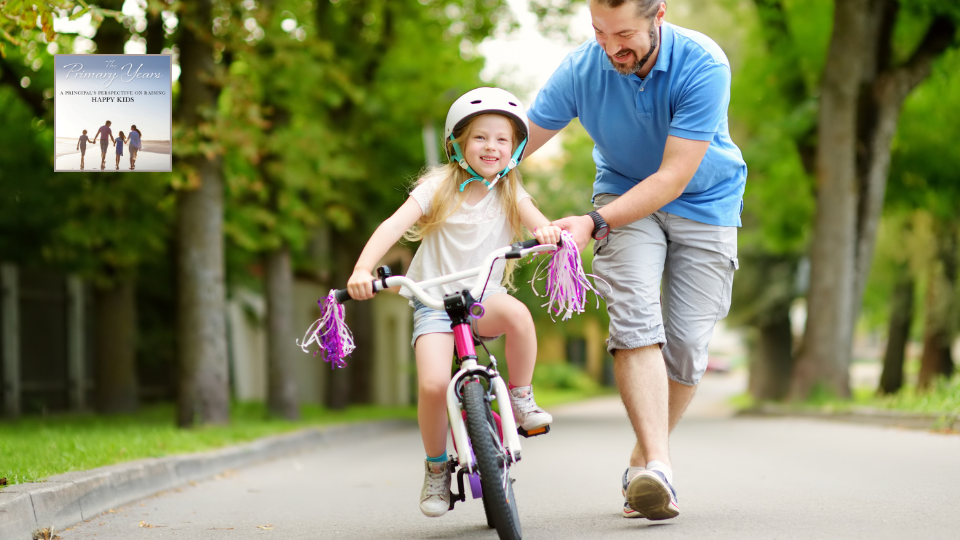
It's simple . The more your child feels confident in themselves, the greater their chance of succeeding and most importantly being happy. Being confident gives you the courage to take risks.
• Start with connection, not correction
Before you point out what’s wrong, show your child you’re on their side.
“I can see you’re trying—let’s work through this together.”
• Praise effort in the moment, not results at the end
Confidence grows when children feel their effort is noticed, not just the outcome.
“You didn’t give up on that—that’s what matters.”
• Lower the pressure so they can step forward
Children take risks when failure feels safe, not judged.
Instead of “get it right,” try “just give it a go.”
• Let them succeed in small, manageable steps
Confidence is built through repeated, achievable wins.
Break tasks down: one paragraph, one question, one try at a time.
• Normalise struggle as part of learning
Children gain confidence when they understand that difficulty is expected—not a sign of failure.
“This part is tricky—that means your brain is growing.”
• Reflect back their progress so they can see it
Children often miss their own growth—parents help make it visible.
“Last week you couldn’t do this—look at you now.”
• Give them responsibility that shows trust
Confidence grows when children feel capable and needed.
Let them take ownership: packing their bag, speaking to the teacher, solving a small problem.
“Confidence never comes from getting everything right—it comes from knowing they are supported, valued and respected.”