Childhood Is Speeding Up — And It’s Costing Our Kids
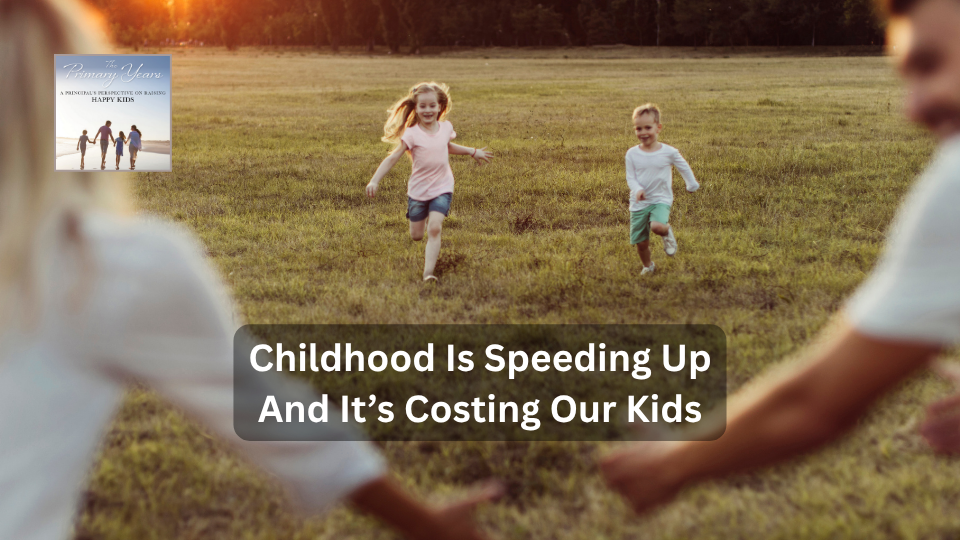
Childhood hasn’t disappeared... but it has been rushed.
And when we rush childhood, we quietly take something precious away. Every child deserves to be a child as long as they need to be. They need to feel free and build a great sense of happiness around them.
Here’s where it’s happening—and what you can do about it:
Too Much, Too Soon
Children are exposed to adult ideas, language, and expectations earlier than ever.
What it costs:
Innocence, emotional readiness, and a sense of safety.
What helps:
Slow down what they are exposed to.
Example:
A 7-year-old doesn’t need unrestricted access to YouTube or social media trends. Choose age-appropriate content and watch with them sometimes—be present in their world.
Over-Scheduled Lives
Many children move from one activity to the next with little time to just be.
What it costs:
Creativity, rest, and the ability to self-direct.
What helps:
Protect empty space in their week.
Example:
Instead of adding another sport, leave one afternoon completely free. Watch what they naturally gravitate toward—that’s where growth happens.
Pressure to Perform Early
There’s a growing sense that children need to achieve sooner—academically, socially, even emotionally.
What it costs:
Confidence and willingness to try.
What helps:
Value effort over outcome.
Example:
Instead of “Did you win?” try “What did you enjoy?”
This shifts the focus from pressure to growth.
Constant Comparison
Children are more aware of how they measure up—through school, siblings, and especially screens.
What it costs:
Self-worth and identity.
What helps:
Keep bringing them back to their path.
Example:
If your child says, “I’m not as good as them,” respond with,
“You’re not meant to be them—you’re learning to be you.”
Less Real Play, More Structured Play
Play is increasingly organised, supervised, and outcome-driven.
What it costs:
Problem-solving, imagination, and resilience.
What helps:
Let play be messy, unplanned, and sometimes a little boring.
Example:
Give them simple materials—boxes, paper, outdoor space—and step back.
Resist the urge to direct or improve what they’re doing.
Emotions Are Rushed Too
We often try to fix, distract, or move children through feelings quickly.
What it costs:
Emotional strength and understanding.
What helps:
Let feelings breathe before solving them.
Example:
Instead of “You’ll be fine,” try,
“That felt really hard, didn’t it?”
Connection first—solutions later.
Adults Are Moving Too Fast
Children often mirror the pace and stress of the adults around them.
What it costs:
Calm, security, and connection.
What helps:
Slow your own pace—especially in small moments.
Example:
Put your phone down when they’re talking.
Even two minutes of full attention tells a child, “I matter.”
Childhood doesn’t need to be accelerated. A person is a child only once.
This childhood needs to be protected.
When we slow childhood down...
we give our children the time they need to become who they’re meant to be.